
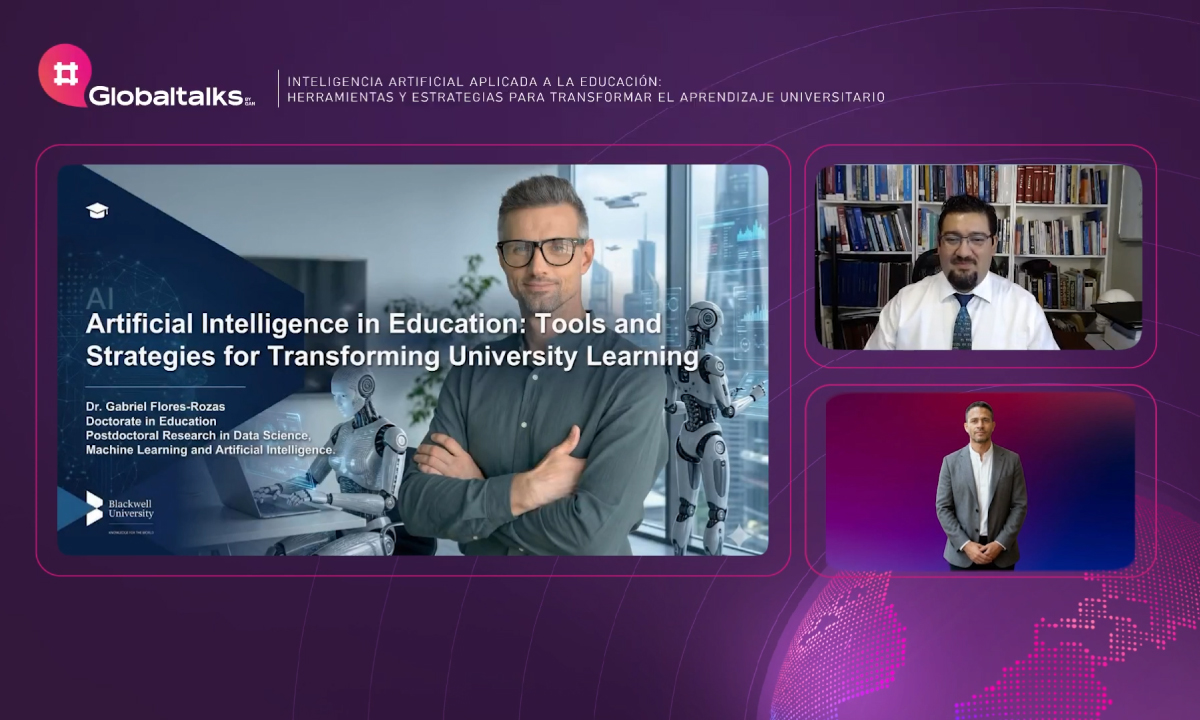
The expert argued that the academic world is currently losing the "cat-and-mouse game" against AI-generated content. With advanced prompt engineering and paraphrasing tools, students can easily bypass standard detection software. This reality forces higher education institutions to move beyond simple surveillance and instead focus on a profound methodological transformation that prioritizes human judgment over algorithmic detection.
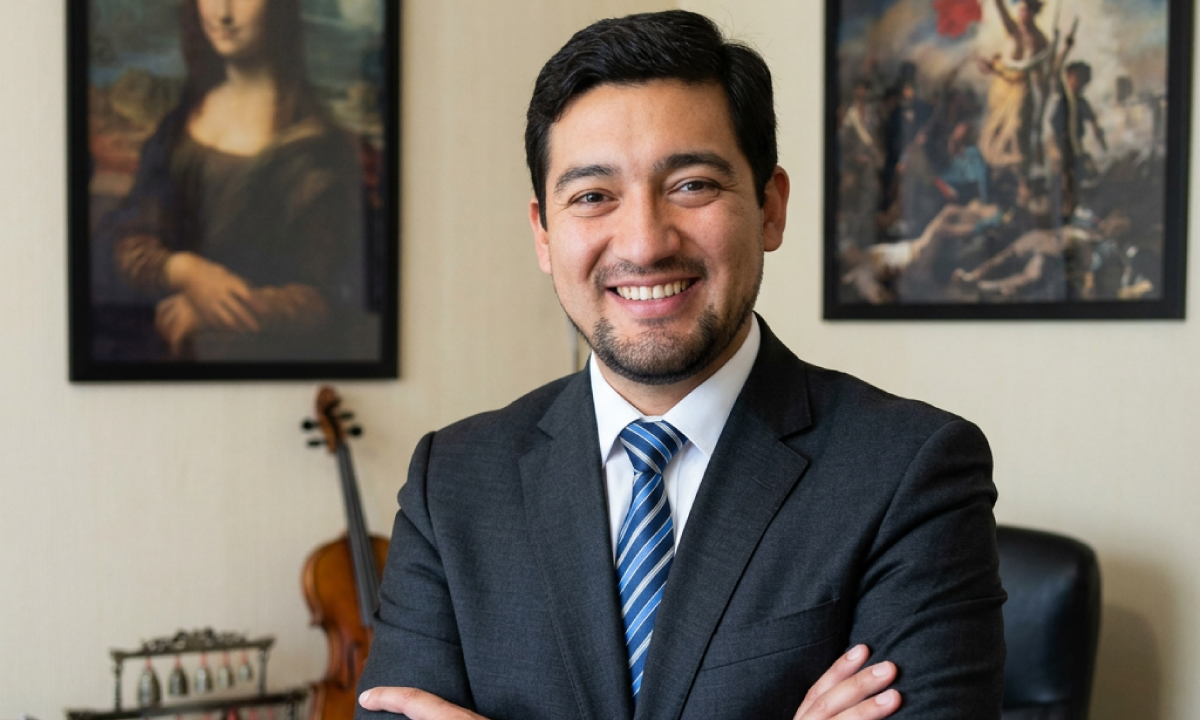
Moving Beyond Detectors: The Rise of Antifragile Assessment Models
Dr. Flores-Rozas introduced the concept of "antifragile" evaluations as the primary defense against academic dishonesty. Unlike traditional assessments that focus on the "correct answer," antifragile models require students to engage in a critical audit of the AI's logical process. For instance, Blackwell Global University has pioneered exercises where students must identify subtle logical fallacies or procedural errors deliberately planted in AI-generated reports. This shift ensures that the student is evaluated on high-order cognitive skills—such as analysis and evaluation—rather than just the final output.
By implementing these "AI-resistant" strategies, professors can foster a learning environment where the technology acts as a tactical collaborator rather than a shortcut. The goal is to train students to be "human auditors" who can justify and defend their corrections under professional pressure. This approach not only discourages plagiarism but also prepares future professionals to work in a world where AI-generated data must be constantly validated by expert human criteria.
The Golden Rule of Data Privacy and Ethical Shielding
Beyond evaluation, the conference addressed the critical issue of cybersecurity and data privacy. Dr. Flores-Rozas established what he calls the "Golden Rule" for faculty: total anonymization. Because commercial AI platforms store data on external servers, he warned that educators must never upload real student names or sensitive institutional research. Protecting digital identity is paramount to ensuring that AI remains a safe tool within the university ecosystem.
Finally, the professor emphasized that AI models are not neutral; they often inherit cultural and gender biases from their training data. Therefore, the teacher remains the "final line of defense," ensuring that technology serves to enhance human dreams and life projects rather than dictate them. The takeaway for the GAN community is that while technology proposes, the teacher disposes—maintaining a human-centric approach is the only way to make education truly relevant in the age of intelligence.












No comments yet. Be the first!