
Analyzing Workplace Safety and Employee Vigilance Following Tokyo Train Incident
02 Apr, 2026 | 02:47
.
PE
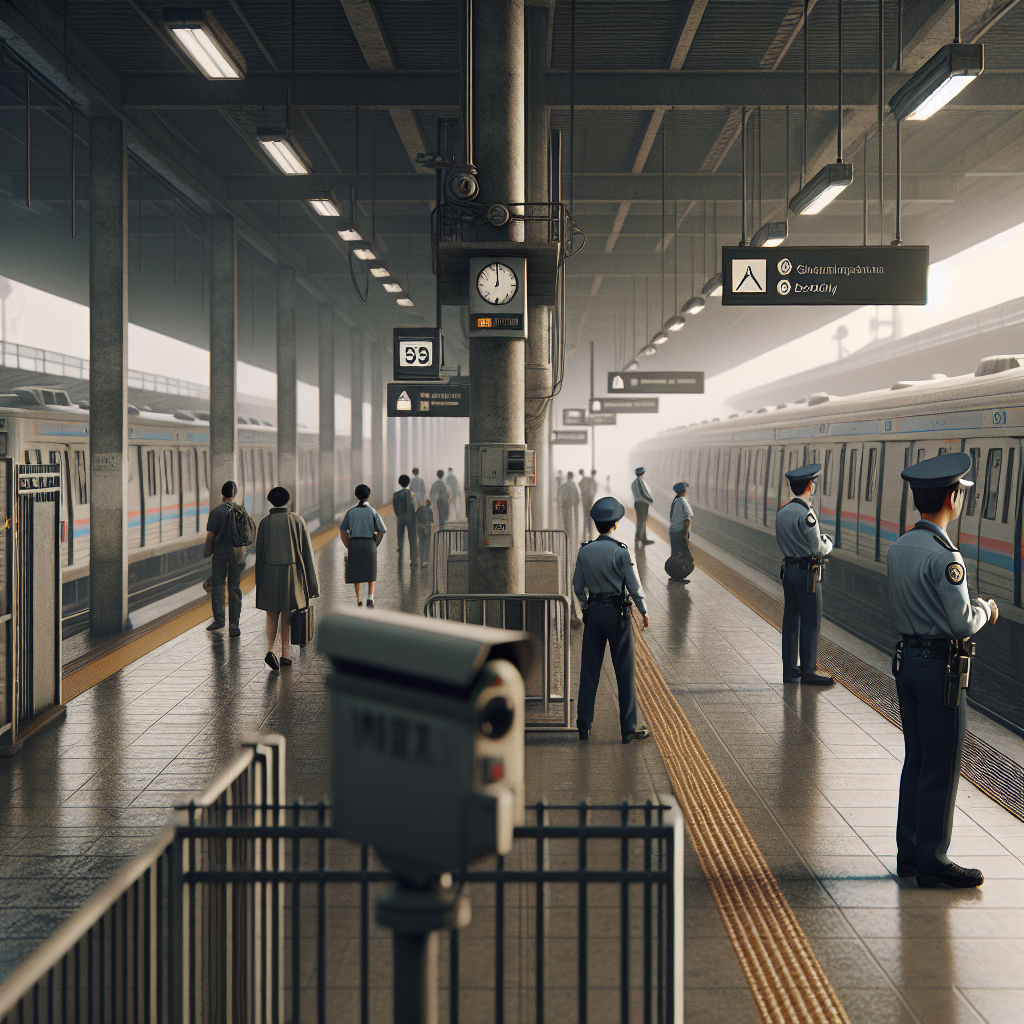
A recent train station incident in Tokyo involving a man attempting to shove a stranger onto the tracks highlights critical considerations for workplace safety and employee awareness in public transit environments.
On April 2, 2026, an incident recorded at a busy Tokyo train station has raised important questions about workplace safety protocols and the vigilance required from employees in public transportation systems. The video footage, recently circulated on social media platforms, depicts a man who attempted twice to push a stranger onto the train tracks, narrowly avoiding a potentially fatal outcome.
This event underscores the importance of comprehensive safety training and situational awareness among frontline staff who manage transit hubs. Employees in such environments must be equipped to identify and respond quickly to threats not only to passengers but to themselves and colleagues. In light of this, transit authorities worldwide are reevaluating their current safety procedures, including the use of surveillance technology, increased staffing during peak hours, and enhanced emergency response training.
Moreover, this incident serves as a case study emphasizing the role of psychological assessments and behavioral monitoring for individuals who have a known history of prior arrests or disruptions. Workplace safety teams must collaborate with law enforcement and mental health professionals to implement strategies that mitigate risks associated with potential aggressors in busy public spaces.
The psychological toll on workers exposed to violent or threatening behavior is another critical aspect. Organizations are encouraged to provide mental health support and resilience training to maintain staff well-being and operational effectiveness.
In response to such incidents, leveraging technology such as AI-powered video analytics and real-time alert systems has become a focal point. These tools can enhance the ability of security personnel to detect suspicious behavior and intervene promptly, potentially preventing tragedies.
Ultimately, this Tokyo event propels a broader conversation about integrating safety culture into the core operations of global workforce environments, especially those involving significant public interaction. Prioritizing employee training, mental health support, and technological advancements will be essential steps towards creating safer workplaces that protect both employees and the public.








No comments yet. Be the first!