
Impact of Emergency Response and Workforce Coordination in Southern California Car Accident
05 Apr, 2026 | 18:47
.
PE
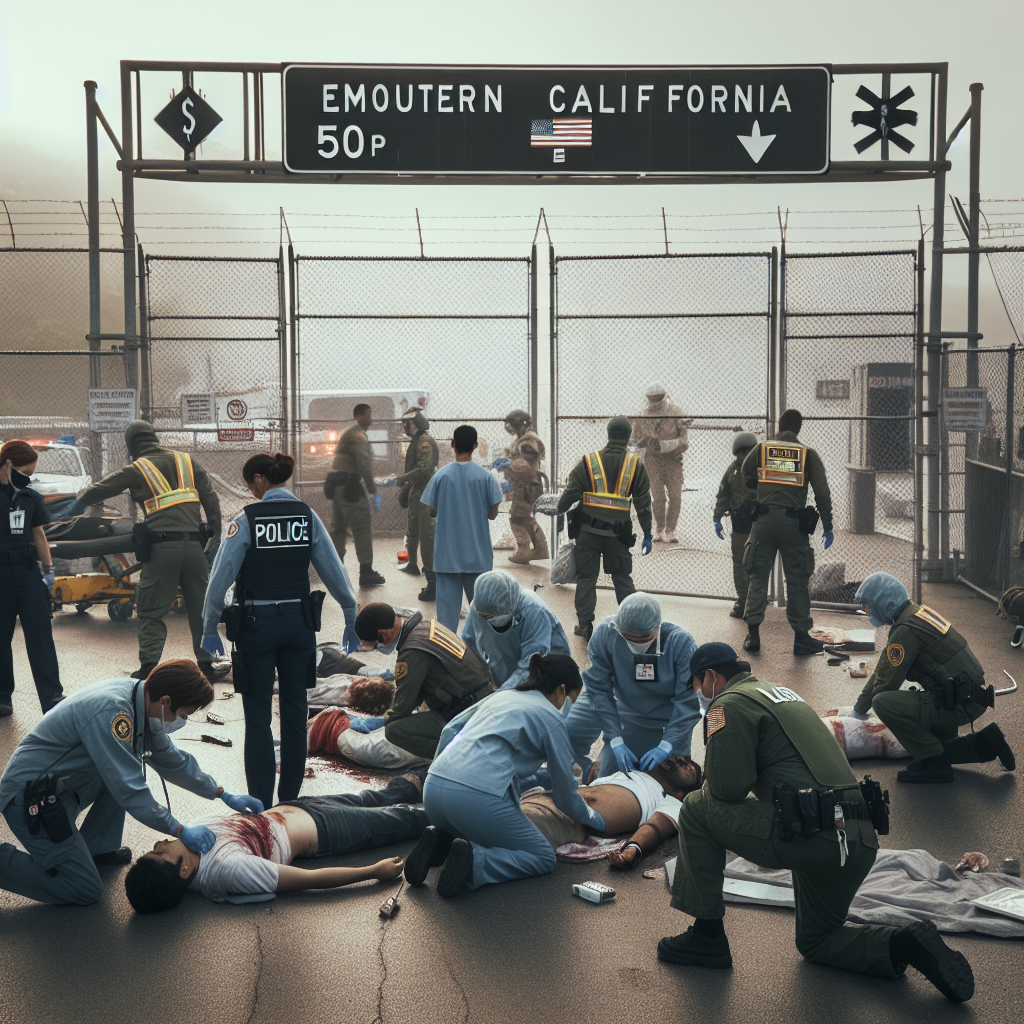
A severe car accident in Southern California led to the hospitalization of multiple individuals, highlighting the critical role of emergency medical services and coordinated workforce efforts in crisis situations.
On April 5, 2026, a major traffic incident occurred in Southern California involving multiple passengers, including notable public figures, who were rapidly transported to medical facilities following a severe car crash. This event brought to light not only the immediate human impact but also underscored the vital importance of an efficient and well-coordinated emergency response workforce in managing crisis environments.
The accident required the deployment of three ambulances, with emergency medical teams working under extreme pressure to stabilize patients and facilitate their swift transfer to hospitals. Such scenarios emphasize the significant demand placed on skilled healthcare workers, first responders, and communication coordinators who must collaborate seamlessly to deliver timely care.
Beyond the initial rescue efforts, this incident also reveals broader workforce challenges affecting regional healthcare systems and emergency services. The capacity to mobilize sufficient personnel, maintain operational readiness, and employ advanced logistical strategies is critical to minimizing harm in mass casualty situations.
In the context of the global workforce, this accident exemplifies the need for continuous investment in training, technological integration, and inter-agency cooperation to enhance emergency preparedness. It also calls attention to workforce resilience, mental health support for responders, and adaptive leadership necessary to navigate high-pressure incidents efficiently.
Furthermore, the situation serves as a case study for organizational behavior and workforce management within sectors tasked with public safety and crisis intervention. Effective decision-making and resource allocation, supported by real-time data and communication technologies, can significantly improve outcomes when lives are on the line.
As urban and transport environments grow increasingly complex, workforce development strategies must evolve accordingly. This includes adopting evidence-based protocols, fostering multidisciplinary teamwork, and leveraging innovative solutions to respond dynamically to emergencies.
Ultimately, this Southern California car accident accentuates how critical the human element is within emergency response frameworks and how global workforce strategies must adapt to support these frontline roles. By focusing on workforce competence and coordination, communities can better safeguard public health and safety during unforeseen events.








No comments yet. Be the first!