
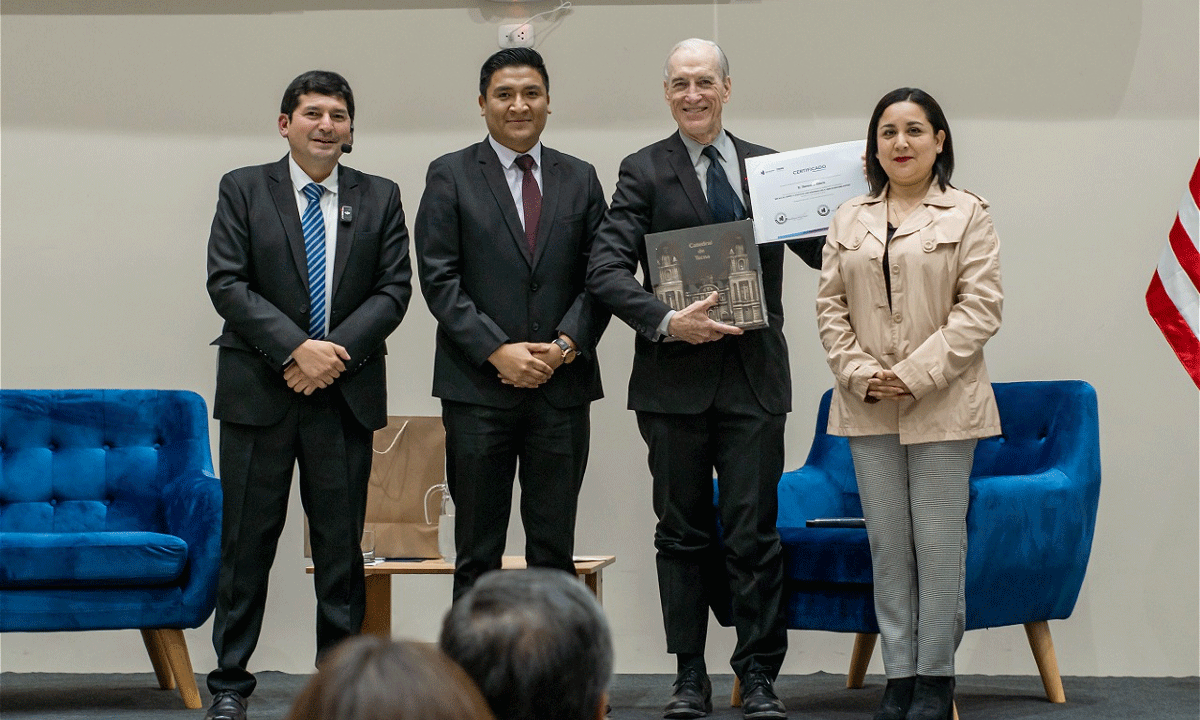
Access to global education is no longer limited to major metropolitan areas. In cities like Tacna, Peru, students are increasingly benefiting from international academic partnerships that provide exposure to global standards, expanding their career prospects and reshaping the future of the workforce in Latin America.
Expanding access to global education
Higher education systems across Latin America are undergoing a transformation driven by globalization and digital connectivity. Employers are seeking professionals who can operate across borders, understand diverse markets, and adapt to rapidly changing environments.
Recent data suggests that over 60% of companies in the region value international exposure when evaluating candidates. This has created a growing demand for educational models that integrate global perspectives into local programs.
International partnerships have emerged as a key solution, enabling institutions to offer students access to global curricula without the need for relocation.
Neumann’s international collaboration model
The Instituto de Educación Superior Privado John Von Neumann exemplifies this shift through its partnership with Blackwell Global University. This collaboration allows students to obtain additional certifications with international recognition as part of their academic journey.
The model focuses on delivering practical, globally aligned education that prepares students for real-world challenges. Through this approach, learners gain exposure to international methodologies, business practices, and strategic thinking frameworks.
This not only enhances their academic experience but also positions them as competitive candidates in both local and global job markets.
Workforce and economic implications
The impact of international education extends beyond individual careers. It contributes to the development of a more competitive workforce, capable of driving innovation and economic growth.
Professionals with international certifications are more likely to access higher-paying jobs and leadership roles. Studies indicate that such qualifications can significantly improve employability and career progression.
For emerging regions like Tacna, this represents a major opportunity to retain talent while simultaneously connecting it to global markets.
Building a globally connected generation
As the demand for globally competent professionals continues to rise, international academic partnerships will play an increasingly important role in shaping education systems.
Institutions like the Instituto de Educación Superior Privado John Von Neumann are leading this transformation by bridging local education with global opportunities.
The future of work will depend on the ability to think beyond borders, and education models that embrace this vision will define the next generation of professionals worldwide.











No comments yet. Be the first!