
Impact of Infrastructure Disruptions on Workforce Mobility and Global Supply Chains
02 Apr, 2026 | 18:47
.
PE
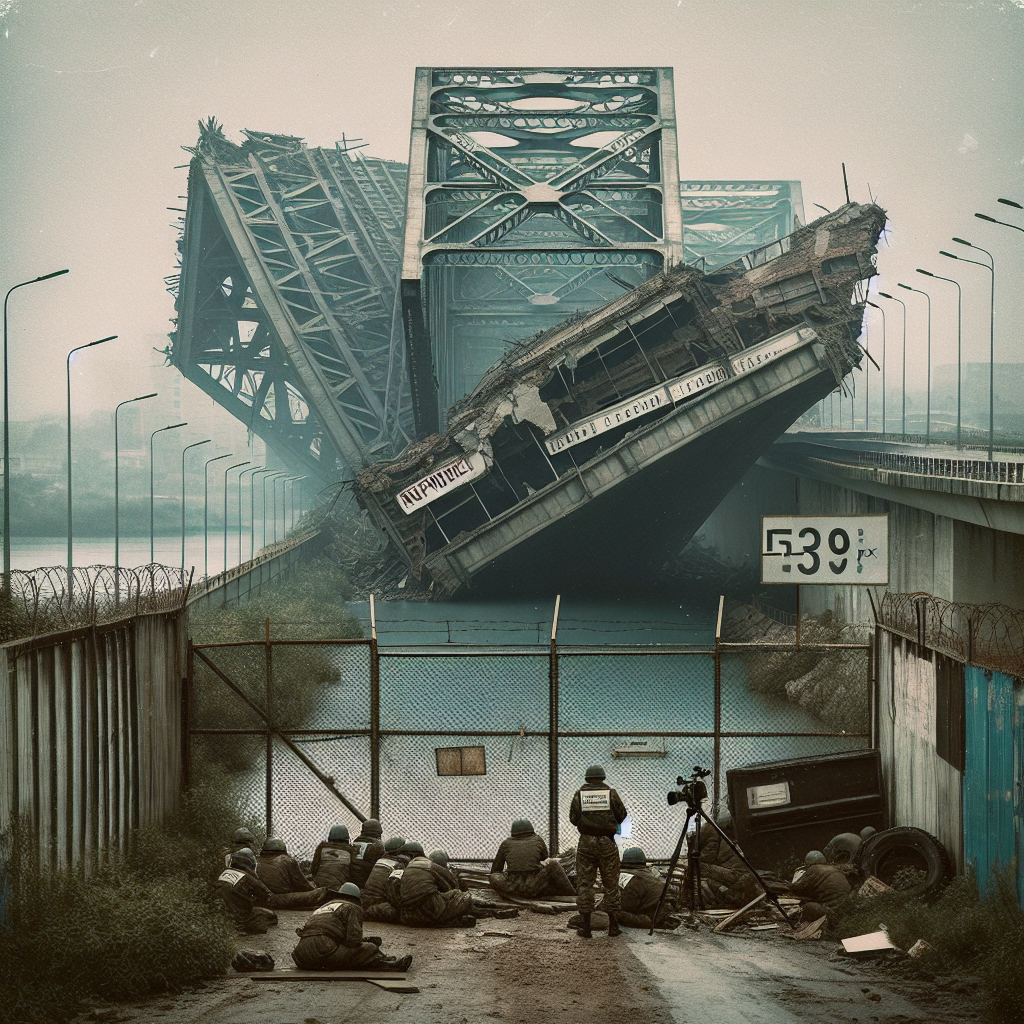
The recent collapse of a major Iranian bridge following reported U.S. airstrikes underscores vulnerabilities in workforce mobility and regional supply chains. This article analyzes the broader implications for global labor markets and workforce resilience.
On April 2, 2026, the collapse of Iran’s tallest bridge, reportedly due to U.S. airstrikes, has far-reaching implications beyond geopolitical tensions. This critical infrastructure failure is set to disrupt regional transportation networks, directly affecting workforce mobility and the efficiency of supply chains that rely on reliable logistics. Infrastructure is the backbone of workforce operations globally; any significant disruption can lead to decreased productivity, delays in goods and services delivery, and challenges in labor allocation across regions.
The bridge collapse represents not only a logistical setback but prompts reconsideration of risk management strategies within the global workforce framework. Businesses operating in or through Iran, or those dependent on the smooth transit across this corridor, may face operational hurdles impacting labor scheduling and cross-border collaboration. Moreover, workforce adaptability and resilience are increasingly tested in environments where infrastructure can be compromised unexpectedly.
This incident brings attention to the importance of integrating infrastructure risk assessments into workforce planning and management. Enterprises must anticipate potential disruptions that can affect employee commutes, supply routes, and overall operational continuity. Investing in diversified logistics, remote work capabilities, and flexible staffing models become essential strategies to mitigate similar risks.
Furthermore, the situation emphasizes the role of international cooperation in maintaining infrastructure integrity vital for economic stability and workforce sustainability. Workforce leaders are tasked with preparing for contingencies that arise from political or military conflicts indirectly impacting labor landscapes. The flexibility and agility of human capital management, driven by robust infrastructure and technology, are critical to navigating such complex challenges.
In conclusion, the collapse of a key Iranian bridge, while rooted in geopolitical conflict, highlights a universal concern in global workforce management—the dependency on reliable infrastructure. Organizations and governments worldwide must collaborate to enhance resilience, ensuring workforce mobility and supply chain continuity amid uncertainties.









No comments yet. Be the first!