
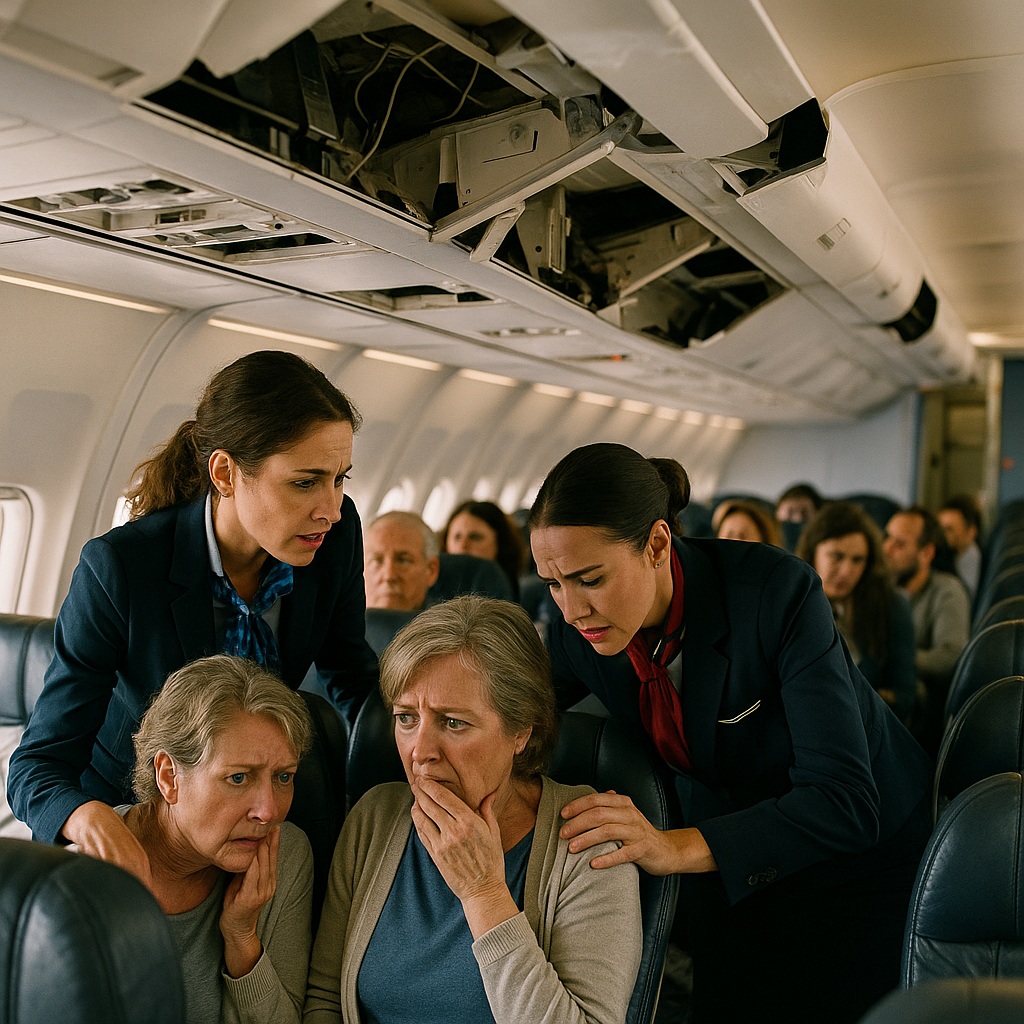
On September 16, 2026, a mid-flight turbulence event severely disrupted a commercial airline flight, forcing a reconsideration of current workforce protocols within the global aviation sector. Passengers experienced unprecedented cabin shaking, with interior panels detaching and causing considerable distress, according to eyewitness accounts and video footage circulated on social media.
Incident Overview and Immediate Workforce Response
The violent turbulence occurred approximately midway through the flight, resulting in shaking so intense that multiple cabin ceiling panels were dislodged, contributing to an atmosphere of panic among passengers. Flight attendants, trained for emergency scenarios, acted promptly to secure passengers and maintain cabin safety during the event, highlighting the critical role of workforce readiness in managing in-flight emergencies.
This incident underscores the complexity faced by airline crews who must navigate both safety procedures and passenger reassurance under duress. The crew's ability to react efficiently mitigated potential injuries, but the episode also revealed gaps in equipment resilience and communication methods that airlines will need to address.
Broader Implications for Global Workforce Training and Safety Standards
The aviation industry, employing millions globally, continually updates its safety regulations and employee training programs to match evolving challenges. However, as climate patterns are leading to more frequent and severe atmospheric disturbances, workforce preparedness must also evolve accordingly.
- Enhanced Turbulence Training: Airlines are evaluating the integration of advanced simulation exercises focused specifically on violent turbulence scenarios to better prepare cabin crews.
- Safety Equipment Upgrades: The flying episode revealed that some cabin materials may not withstand extreme conditions, prompting manufacturers to explore more durable alternatives.
- Emergency Communication Protocols: Efficiently conveying safety instructions to anxious passengers during intense turbulence remains a workforce challenge, needing revisited strategies and tools.
- Mental Health Support: Incidents like this can induce trauma, meaning workforce support systems for both employees and passengers require strengthening.
Technological Integration and Workforce Adaptation
The incident has accelerated conversations about leveraging technology to aid airline employees in crisis situations. Innovative tools, including real-time turbulence forecasting apps and augmented reality (AR) training modules, are gaining interest for their potential to enhance workforce capabilities.
By adopting these technologies, airlines aim to empower their crews with predictive insights and immersive practice environments that mirror potential mid-flight hazards more closely than traditional training.
Regulatory and Industry Perspectives
Regulatory bodies such as the Federal Aviation Administration (FAA) and international counterparts are reviewing incident reports to assess whether current guidelines adequately address the risks posed by escalating turbulent events. Industry leaders advocate for a collaborative approach combining stricter regulatory frameworks, workforce education, and technological investments.
This cooperative model is envisioned to enhance passenger safety and ensure that airline staff are equipped with the knowledge and tools to face increasingly unpredictable operational challenges with confidence.
Conclusion
Ultimately, the September 16 turbulence incident serves as a stark reminder of an evolving risk environment for the global aviation workforce. It highlights the necessity of continuous advancement in training, technology adoption, and safety standard enforcement to protect passengers and crew alike.
As airlines confront these challenges, well-prepared and resilient personnel remain the cornerstone of effective crisis management amid the complex dynamics of modern air travel.










No comments yet. Be the first!