
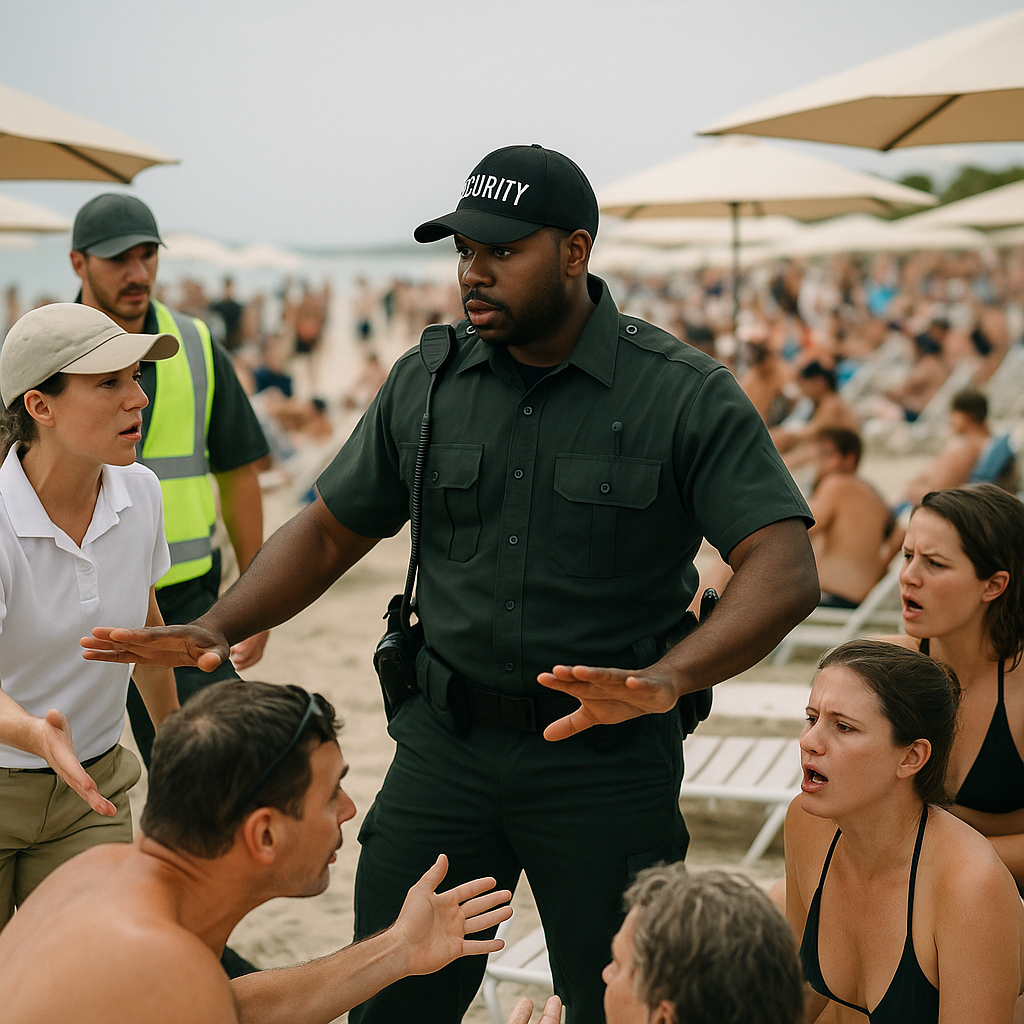
On September 22, 2026, a violent confrontation erupted at a renowned beach destination, resulting in the death of one individual and legal charges against several others involved. While the altercation centered around the seemingly trivial issue of lounge chair allocation, the ensuing violence underscores pressing concerns relevant to workforce and public environment safety.
Incident Overview and Immediate Response
The dispute took place in a crowded beach setting known for attracting thousands of visitors daily, where space and resource management is critical. What began as an argument over the usage of lounge chairs quickly escalated into a physical brawl involving multiple parties, culminating in a fatality. Local authorities promptly intervened and have since filed charges against those identified as responsible.
This incident draws attention to the broader challenges organizations face in managing public interactions and mitigating conflict risks. It also forces businesses that operate in leisure and hospitality sectors to reevaluate their security measures and employee training protocols.
Implications for Workforce and Organizational Safety
Workplace safety traditionally focuses on controlled environments, but incidents such as this demonstrate the need to extend safety and conflict management strategies to public-facing and high-interaction settings. Key takeaways for organizations include:
- Conflict Resolution Training: Equipping employees and frontline staff with skills to de-escalate disputes effectively and recognize early warning signs of aggression.
- Security Infrastructure: Implementing sufficient security presence and surveillance technologies to prevent confrontations before they escalate.
- Clear Resource Management: Establishing transparent protocols for the allocation of amenities and shared resources to minimize triggers of conflict.
- Emergency Preparedness: Training personnel in rapid response actions and coordination with law enforcement to manage violent incidents safely.
The Broader Context: Workforce Challenges in Public and Hospitality Sectors
The hospitality workforce often faces unique stressors due to direct engagement with the public, fluctuating visitor volumes, and managing limited resources. Tensions can easily arise in high-demand environments, especially where physical space or amenities are limited. The fatal incident at the beach is a stark reminder of the necessity for robust workplace policies tailored to such complexities.
Additionally, ensuring mental health support for employees exposed to conflict or violence is increasingly recognized as a critical aspect of workforce management. Managing human factors alongside physical safety measures can reduce the likelihood of incidents escalating dramatically.
Future Directions in Workforce Safety and Management
In light of events like the recent beach brawl, organizations across sectors are urged to integrate comprehensive safety strategies that blend technology, human training, and policy innovation. Particular focus areas include:
- Leveraging AI and real-time monitoring tools to predict and preempt conflict scenarios.
- Developing cross-sector partnerships between private enterprises and public safety authorities.
- Promoting a culture of respect and clear communication among employees and clients alike.
Conclusion
The tragic outcome of the lounge chair dispute serves as a powerful case study in the importance of proactive conflict management and workforce safety beyond traditional office environments. Organizations must prioritize training, infrastructure, and policies that address the realities of today's high-interaction public settings to protect both employees and patrons.











No comments yet. Be the first!