
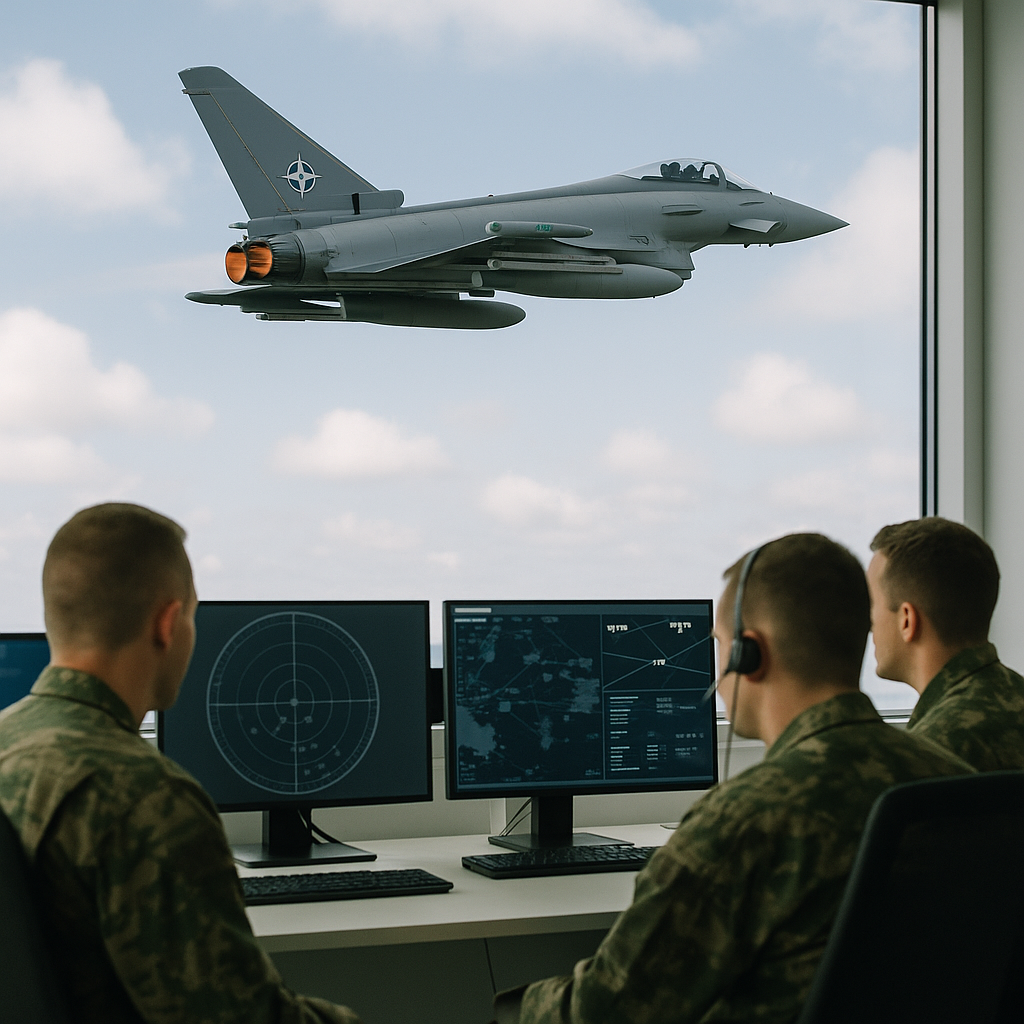
On September 15, 2026, NATO forces executed an unprecedented aerial operation by intercepting and shooting down a suspected explosive-laden drone violating Lithuanian airspace. This event represents a landmark moment in Baltic defense history and spotlights critical aspects of workforce agility and technological coordination within military operations.
Enhanced Workforce Dynamics in Air Defense
The escalating aerial threats in Europe’s eastern borders trigger the need for highly specialized personnel capable of rapid response and precision actions. NATO’s integrated air defense system, which successfully coordinated fighter jets to neutralize the drone, depends on:
- Skilled pilots and technicians trained to detect and react to unconventional airborne threats including unmanned aerial vehicles (UAVs).
- Advanced radar operators who sustain 24/7 vigilance across the Baltic airspace.
- Command and control experts ensuring seamless communication between allied forces.
Each role manifests the increasing complexity of modern defense labor markets, where traditional military skills merge with emerging technological fluencies.
Technological Implications and Workforce Adaptation
The drone incursion incident illuminates broader trends in workforce demands within the aerospace and defense sectors. The deployment of drones as tactical threats necessitates continuous upskilling programs for existing personnel and attracts new talent with competencies in areas such as:
- Unmanned systems operations and countermeasures.
- Cybersecurity integration to protect control systems from electronic interference.
- Data analytics and AI utilization for threat detection and decision-making automation.
NATO’s success in the operation is also a testament to multinational workforce collaboration, blending expertise from member states to maintain airspace sovereignty and operational readiness.
Regional Workforce Impact and Future Outlook
The Baltic states, including Lithuania, face increasing pressure to develop and maintain a workforce that supports advanced aerospace defense capabilities. This involves:
- Investment in STEM education targeting drone technology and aerospace engineering disciplines.
- International training initiatives facilitating knowledge exchange among NATO partners.
- Public-private sector cooperation to foster innovation and workforce development in defense technology industries.
Such efforts contribute to economic growth, while ensuring the Baltic workforce remains resilient amid geopolitical volatility.
Conclusion
This historic incident of a NATO jet neutralizing a drone in Lithuanian airspace reflects not only strategic defense capabilities but also the dynamic and evolving nature of the global workforce in aerospace and military operations. Adapting to new threat environments requires a highly skilled, technologically savvy, and collaborative workforce to safeguard regional and allied security.










No comments yet. Be the first!