
On March 19, 2026, U.S. authorities reported the arrest of several individuals who attempted to gain unauthorized access to a military base housing strategic nuclear missiles. Although no damage or disruption to operations was recorded, the incident has prompted a comprehensive review of security mechanisms at these critical infrastructures essential to national defense.
Facilities that safeguard nuclear weapons are among the most sensitive security assets, not only due to their importance in defense strategy but also because of the potential consequences of any breach in their protection systems. For this reason, the technological framework supporting these defenses is crucial, incorporating advanced surveillance systems, biometric access controls, and cybersecurity monitoring protocols.
This event underscores the growing importance of cybersecurity and the integration of smart technologies within military installations. The line between physical and digital security is increasingly blurred, and vulnerabilities in either domain can compromise the integrity of critical infrastructure.
In recent decades, advancements in remote detection technologies, artificial intelligence applied to surveillance, and automated response systems have significantly raised the standard of protection at these bases. However, evolving threat landscapes require continued innovation, technological upgrades, and specialized training for security personnel.
The unauthorized access attempt that led to the arrests highlights the need for multi-layered security measures that combine strict physical perimeter protection with predictive behavioral analysis and early incident detection. Risk management must address not only the prevention of physical intrusions but also the protection of the digital infrastructure that controls and monitors weapons systems.
Interagency coordination is essential to ensure an effective response to any security breach attempt. Collaboration among law enforcement, intelligence agencies, and technology operators is critical to maintaining system integrity and overall security.
Such incidents also call for a reassessment of training and awareness policies, not only for military personnel but also for civilian communities located near these facilities. Well-established emergency plans, continuous drills, and effective communication technologies help minimize risks and ensure proper control in threat scenarios.
In today’s complex global environment, where international tensions persist, safeguarding strategic infrastructure requires a comprehensive approach that integrates technological, human, and organizational elements. Investment in technological innovation, continuous protocol updates, and cross-sector collaboration are key pillars in strengthening the resilience of these facilities against potential vulnerabilities.
This incident serves as a wake-up call for those responsible for protecting critical infrastructure to prioritize the development of intelligent systems that enable comprehensive monitoring—from physical access control to the detection of unusual patterns through artificial intelligence. This approach also helps optimize resources by enabling faster and more precise responses to potential threats.
In summary, protecting facilities associated with strategic weapons should not be viewed solely as a military responsibility, but as a shared commitment involving technological advancement, robust public policy, and sustained institutional effort. National security largely depends on the ability to maintain the integrity of these key assets while adapting to the evolving challenges of the 21st century.
Security Protocols in Nuclear Facilities Under Review After U.S. Military Base Incident
20 Mar, 2026 | 00:00
.
PE
Updated on
26/03/2026 17:50
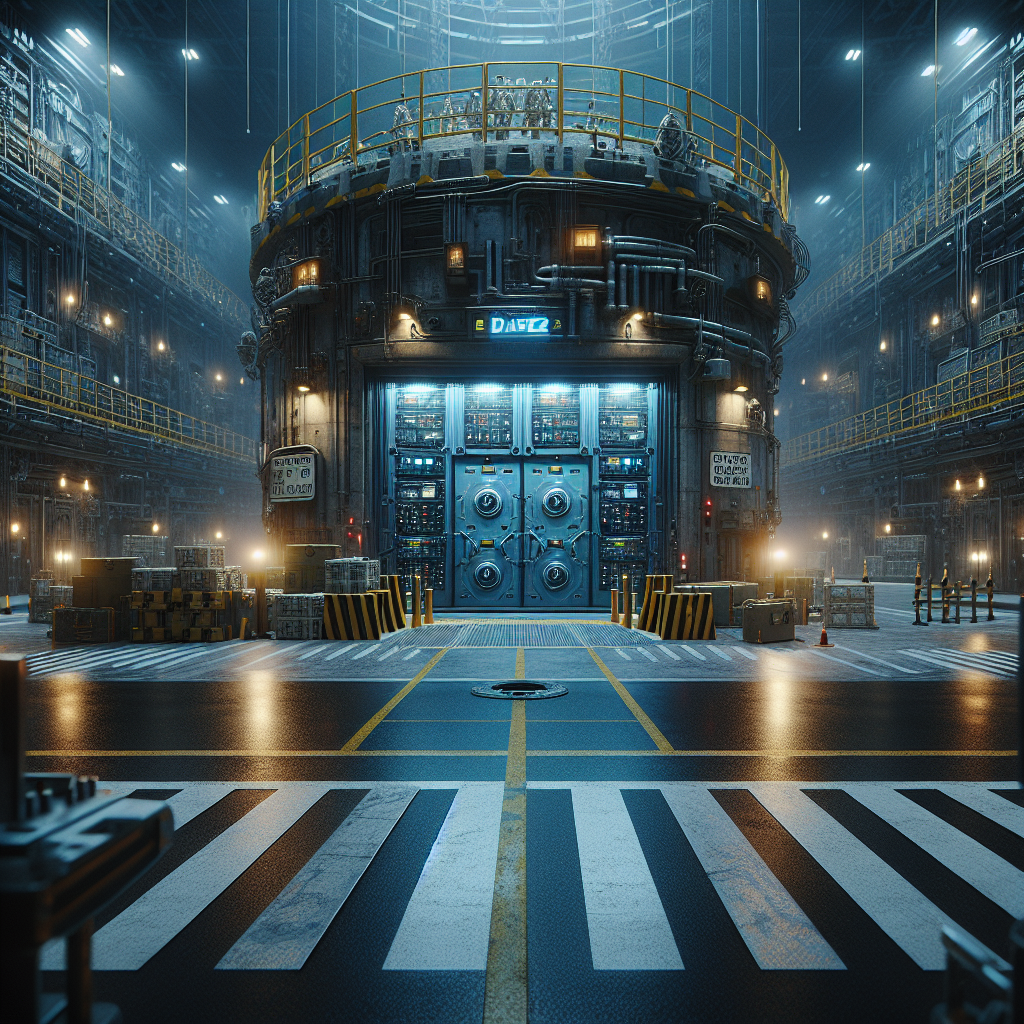
Several individuals were detained after attempting to access a U.S. nuclear missile base, raising concerns about the security of critical infrastructure. The incident highlights the need to strengthen protocols and technology in protecting strategic assets.










No comments yet. Be the first!