
Strategic Workforce Adaptations Amidst Rising Middle East Tensions in 2026
27 Mar, 2026 | 13:18
.
PE
Updated on
31/03/2026 13:35
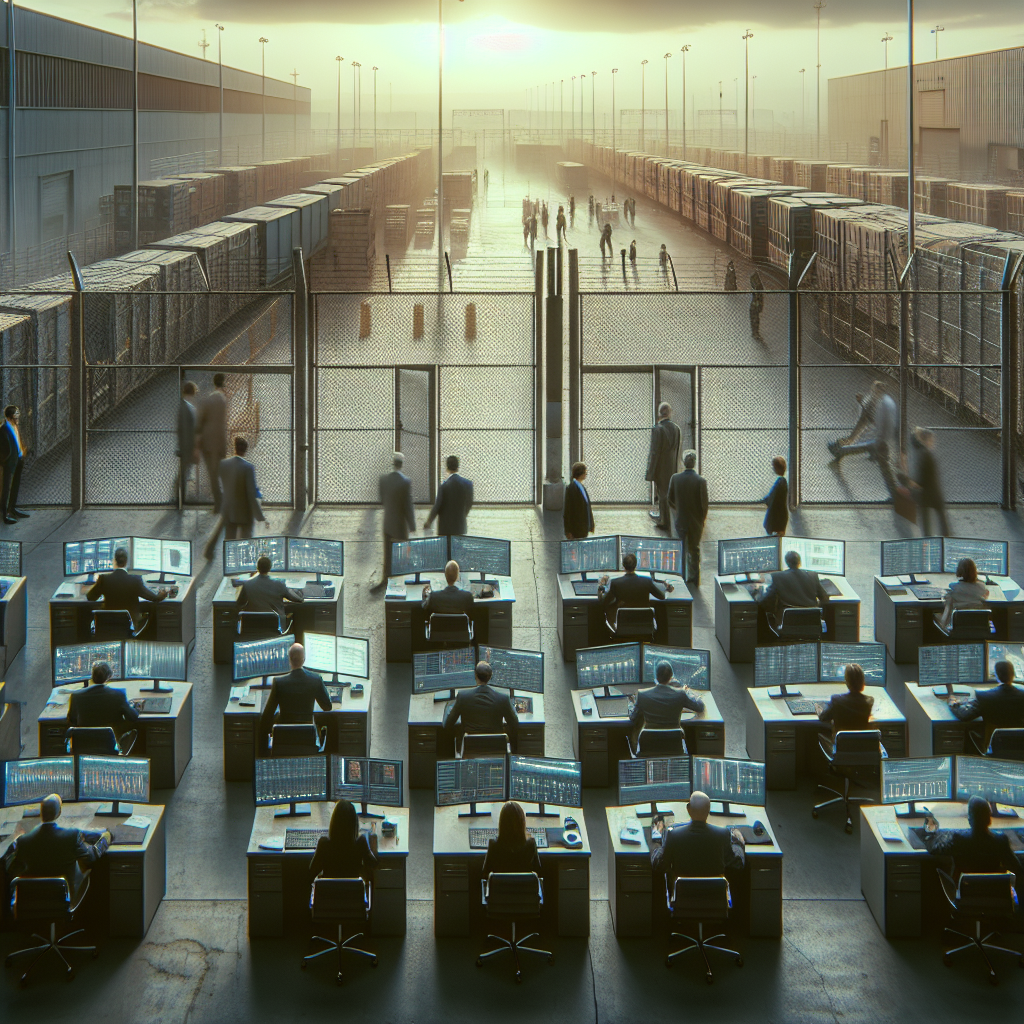
As geopolitical tensions escalate in the Middle East with recent port attacks and regional threats, global workforce strategies are undergoing significant transformations to ensure resilience and operational continuity.
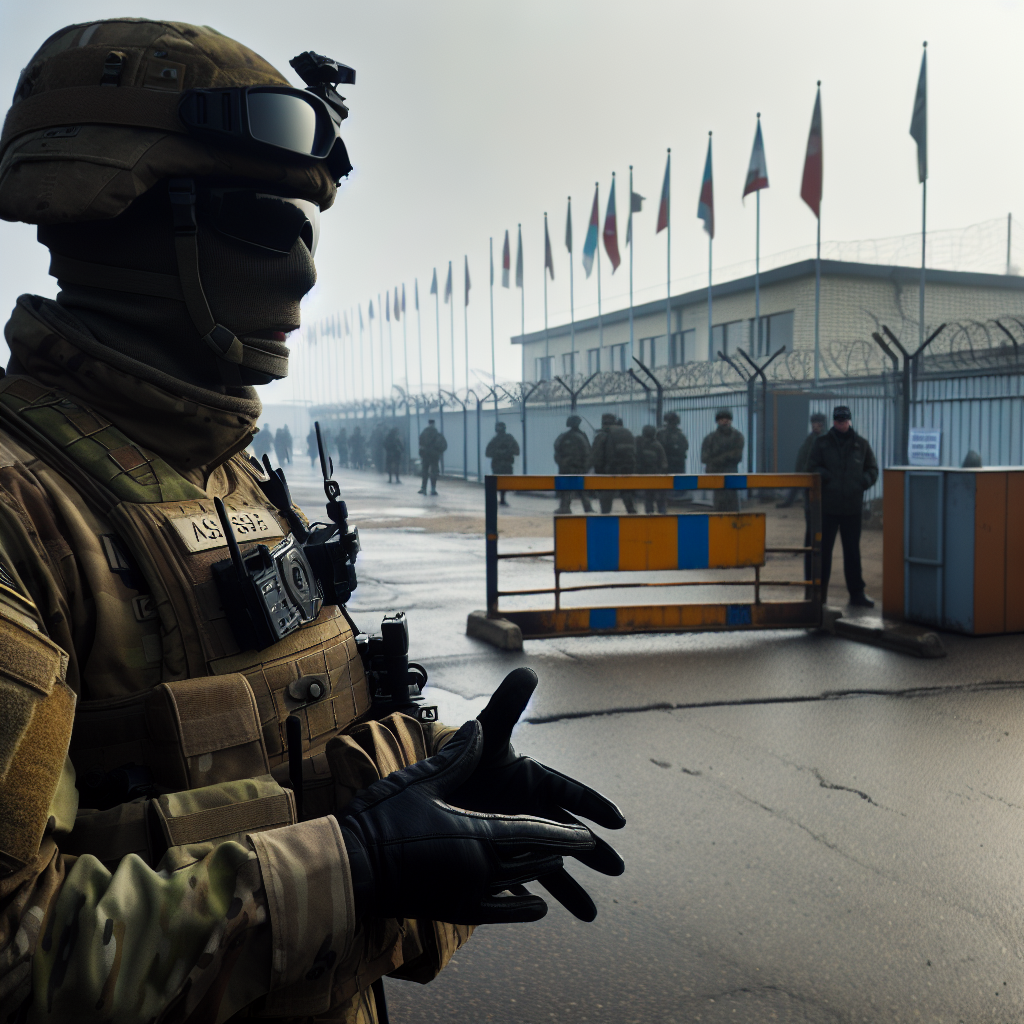
On March 27, 2026, the global workforce landscape faces unprecedented challenges amid escalating tensions in the Middle East. The recent attack on a critical port by hostile drones has intensified regional instability, raising urgent questions about supply chain security, workforce safety, and business continuity strategies worldwide. This development, linked to increasing threats in the Strait of Hormuz area, has profound implications for multinational corporations and industries dependent on this strategic trade route.
Operational disruptions caused by geopolitical unrest necessitate a robust reassessment of workforce management strategies. Companies operating in or relying on supply chains through affected regions are compelled to enhance their contingency planning, diversify supplier networks, and elevate risk management protocols. Moreover, ensuring the well-being and security of employees in geopolitically sensitive areas has become a paramount concern.
Remote work and decentralized operations have gained renewed importance as organizations seek to mitigate on-site risks. The adoption of advanced digital collaboration tools and flexible workforce arrangements enables continued productivity despite physical threats or infrastructural vulnerabilities. Additionally, talent acquisition and retention strategies are evolving to prioritize adaptability and crisis resilience among employees.
Global organizations are also focusing on cross-cultural leadership development and crisis communication training to better navigate the complexities introduced by regional conflicts. Emphasizing emotional intelligence and adaptive decision-making equips managers to support teams through uncertain environments, maintaining morale and performance.
Furthermore, investment in technology-driven solutions such as real-time supply chain monitoring and predictive analytics has increased. These tools provide companies with actionable insights to anticipate disruptions and respond proactively, safeguarding both operational flows and workforce stability.
In the face of these heightened risks, collaboration between private and public sectors emerges as a critical component. Sharing intelligence and best practices enhances preparedness, while diplomatic efforts to stabilize the region indirectly support the global workforce ecosystem.
The ongoing situation underscores the necessity for businesses to integrate geopolitical risk assessments into their strategic workforce planning. Organizations that cultivate agility, prioritize employee safety, and leverage technology are positioned to navigate this complex global environment effectively.
In conclusion, as the Middle East confronts heightened conflict potential, the global workforce must evolve through strategic adaptations that balance security, flexibility, and operational efficiency. These efforts will define resilience in an interconnected, volatile world where geopolitical disturbances can rapidly transcend borders and disrupt conventional business models.








No comments yet. Be the first!