
Uganda's Military Leadership Signals New Dimensions in Global Workforce Dynamics Amid Middle Eastern Tensions
29 Mar, 2026 | 02:47
.
PE
Updated on
31/03/2026 18:11
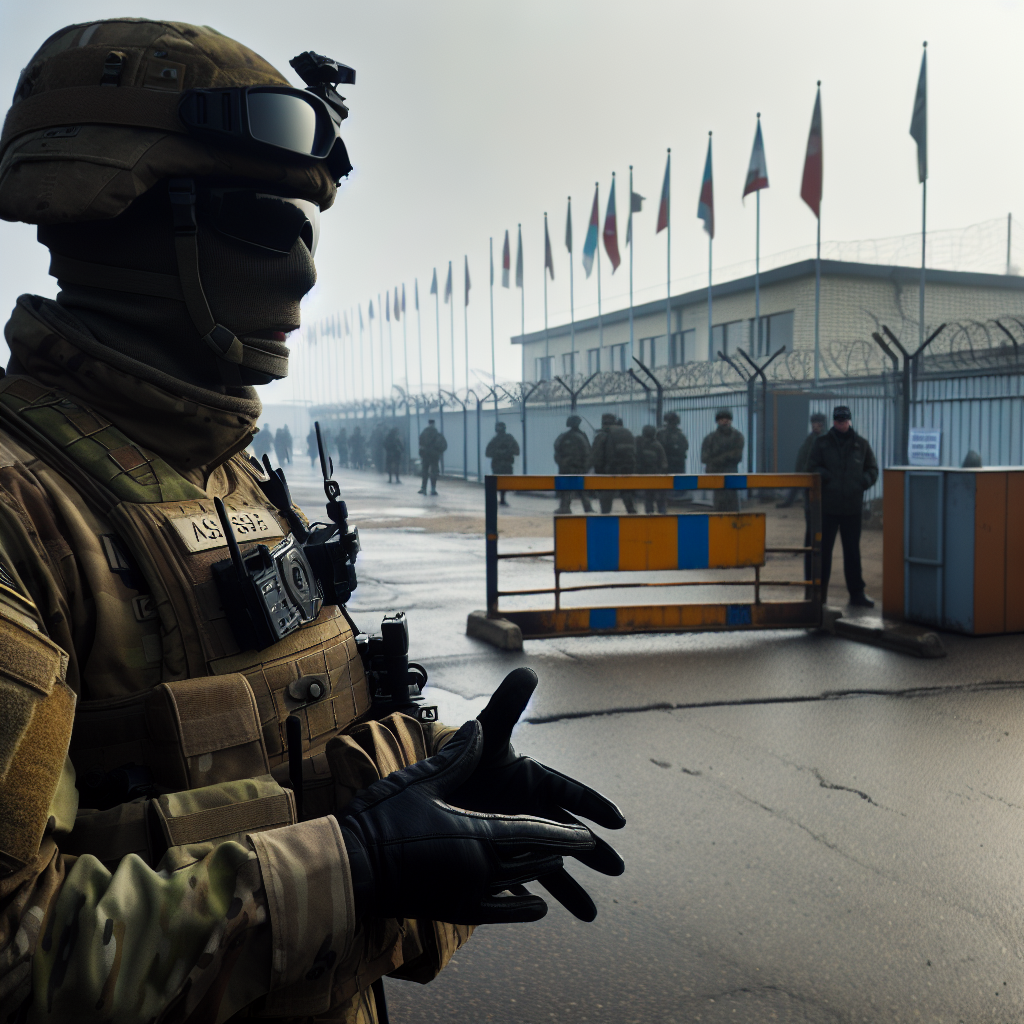
The Ugandan military chief's declaration on social media underscores evolving international security concerns impacting global workforce stability. This development highlights the intricate relationship between geopolitical events and workforce management worldwide.
On March 29, 2026, tensions in international relations have witnessed a significant development as Uganda’s top military official publicly expressed support for Israel in its ongoing regional disputes involving Iran. This announcement, made across prominent social media platforms, is more than a mere military stance — it signals possible ramifications for global workforce dynamics, especially in sectors sensitive to geopolitical influences.
Uganda, traditionally recognized for its regional influence within East Africa, now appears to be expanding its engagement within international affairs by aligning itself in complex Middle Eastern geopolitical matters. From a global workforce perspective, this shift accentuates the multifaceted ways national security postures can affect labor markets, foreign investments, and multinational operations.
The interplay between geopolitical alignments and workforce stability is increasingly critical as companies navigate an interconnected global economy. For multinational corporations with interests spanning the Middle East and Africa, Uganda’s military chief’s pronouncements introduce variables that could influence strategic workforce planning, risk assessments, and talent mobility strategies.
Companies with expatriate employees or supply chains linked to regions involved in these tensions may face disruptions, compelling workforce leaders to anticipate scenarios of operational contingency, employee safety, and flexible resource allocation. Furthermore, this development invites scrutiny into how military engagements or alliances indirectly alter economic environments and labor conditions.
In light of this, human resource leaders and global workforce strategists are urged to deepen their understanding of geopolitical risks. Integrating geopolitical risk assessments into workforce planning not only secures continuity but also fosters resilience within organizations operating amid evolving international challenges.
Effective communication with global teams about geopolitical developments can also improve employee preparedness and engagement. In essence, Uganda’s military position highlights the need for workforce management models that incorporate geopolitical intelligence to maintain competitive advantage and operational stability.








No comments yet. Be the first!