
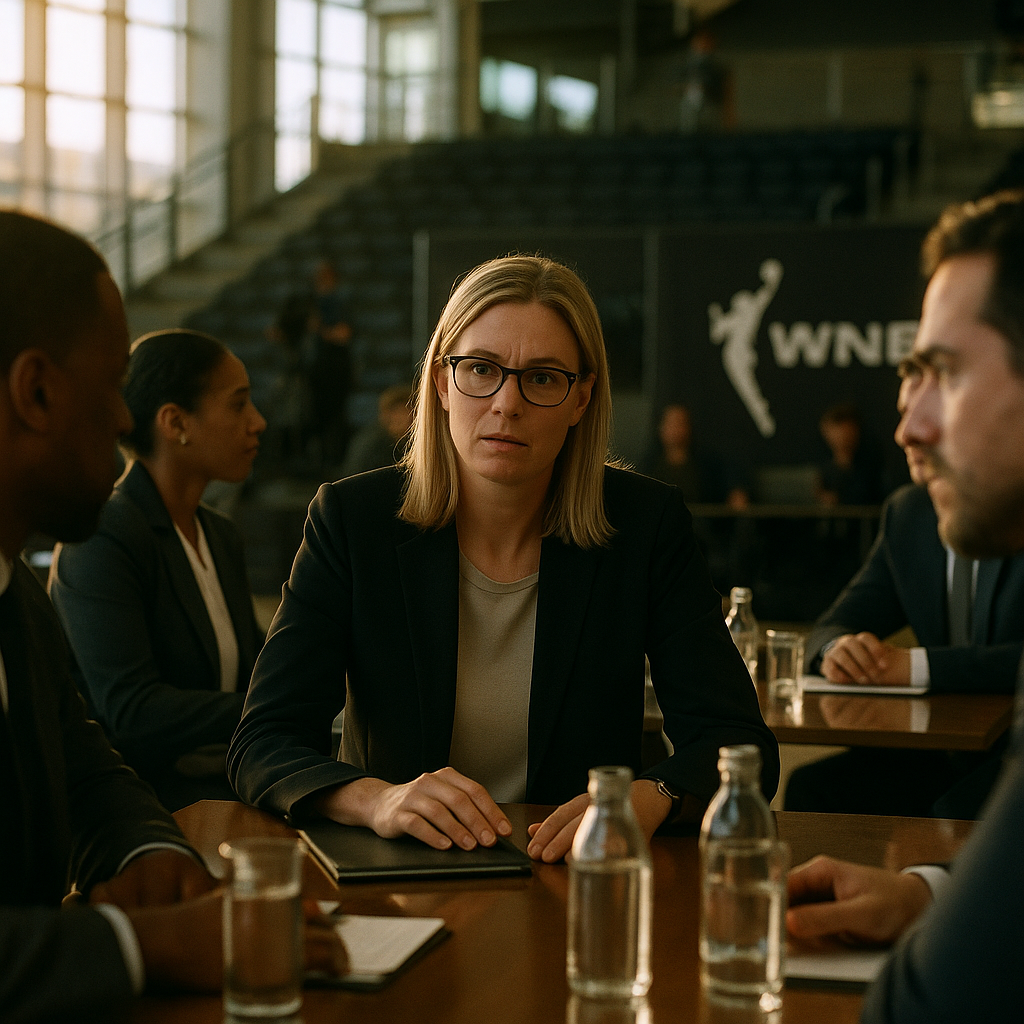
September 17, 2026 — The recent exchange between a GOP congressman and the WNBA commissioner has reignited discussions around gender identity and its impact on professional sports workforce policies. During a congressional hearing, the commissioner was unable to definitively answer a fundamental question about the criteria used to define “women” for league participation, exposing deeper operational and inclusivity challenges within the WNBA.
Broader Workforce Implications
This issue transcends athletics and serves as a microcosm of the complexities faced by organizations worldwide regarding gender definitions and inclusivity in the workplace. Sports leagues, much like corporations, must balance clear governance with evolving social considerations, adjusting policies that affect hiring, eligibility, and team dynamics.
Defining gender in the context of workforce participation is increasingly complicated as legal, cultural, and scientific perspectives evolve. Organizations are tasked with establishing fair, transparent, and inclusive frameworks that address:
- Eligibility Criteria: How organizations define and verify participant identity without alienating members or violating privacy.
- Diversity and Inclusion: Implementing policies that respect gender identity while maintaining competitive integrity and fairness.
- Regulatory Compliance: Navigating international, federal, and state rules that impact workforce and participant management.
The WNBA’s Position and Challenges
The Women’s National Basketball Association, as a professional sports organization, faces a precarious balance between promoting inclusivity and adhering to criteria that preserve the competitive nature of the league. The inability of the commissioner to offer a clear, universally accepted definition of “women” during the congressional inquiry illustrates the operational difficulties encountered.
These difficulties resonate across similar organizations that must define eligibility boundaries within changing demographic realities. The WNBA’s situation highlights the need for ongoing dialogue among league officials, players, and advocacy groups to develop sustainable policies.
Global Trends in Workforce Gender Policies
Worldwide, employers and institutions are increasingly adopting nuanced approaches to gender inclusion. These trends include:
- Implementing gender-neutral recruitment and participation policies.
- Offering training programs focused on diversity awareness and unconscious bias reduction.
- Adopting flexible policies that consider gender identity and expression in workforce participation criteria.
Such approaches underscore the importance of clear communication and stakeholder engagement to cultivate an inclusive environment without compromising operational objectives.
Looking Ahead
The intersection of gender identity and workforce management in sports, illustrated by the current WNBA debate, underscores the urgency for organizations globally to re-examine their policies. Clarity and inclusiveness must go hand in hand to foster environments where all individuals can contribute fairly and meaningfully.
As gender definitions evolve, organizations will need adaptive frameworks backed by expert guidance and inclusive dialogue. The WNBA’s ongoing challenge serves as a bellwether for how workforce inclusivity will mature within sports and other sectors.
Conclusion
The tension highlighted in the WNBA gender definition debate lays bare the broader global workforce challenge of defining identity in organizational contexts. Sports leagues and employers alike must balance inclusivity, fairness, and clarity within their policies to reflect shifting societal expectations. The path forward requires collaborative efforts, transparent policymaking, and sensitivity to evolving understandings of gender.










No comments yet. Be the first!