
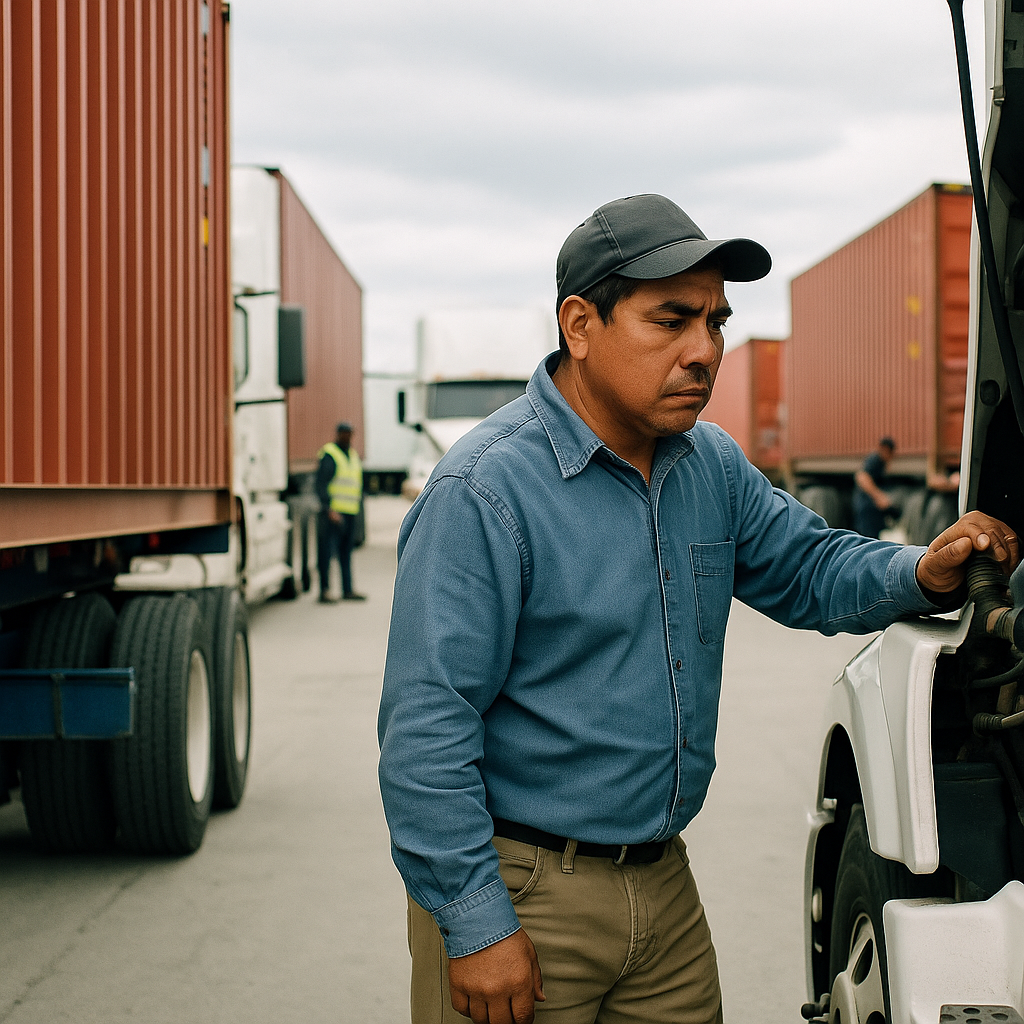
On September 15, 2026, the United States continues to grapple with the complex interplay between workforce migration, immigration policy, and public safety.
Recently, a tragic accident involving an undocumented immigrant truck driver resulted in the death of a young couple, raising critical questions about the regulations governing workforce mobility and the integration of migrant labor into the national economy. This incident, which occurred just sixteen days after the couple's marriage, has had a profound emotional impact on many communities and shed light on broader workforce challenges shaped by immigration.
Implications for the U.S. Labor Market
The U.S. economy heavily depends on a diverse labor force, including a significant contingent of immigrant workers who fill roles across various sectors such as agriculture, transportation, and construction. However, insufficient regulatory oversight and inconsistent documentation requirements complicate efforts to ensure safety and accountability within the workforce.
The trucking industry, a critical component of supply chain logistics, exemplifies these challenges. Reliance on immigrant drivers, some with undocumented status, has prompted calls for enhanced certification processes, background checks, and safety training programs to mitigate risks associated with workforce mobility.
Balancing Economic Needs and Public Safety
Efforts to reconcile economic demands with public safety concerns remain at the forefront of workforce policy discussions. Immigration enforcement measures, while aiming to regulate unauthorized employment, risk exacerbating labor shortages in essential industries.
Moreover, driving standards and vehicle regulation enforcement are under increased scrutiny following incidents such as this accident, spotlighting the need for comprehensive reforms to employment eligibility verification and safety compliance.
Challenges in Workforce Integration
- Documentation and Verification: Enhancing the accuracy and reliability of workforce documentation to prevent unauthorized employment.
- Training and Certification: Implementing robust training programs for immigrant workers to ensure safety and competence, particularly in high-risk sectors.
- Regulatory Coordination: Improving coordination between federal and state agencies overseeing workforce regulations and public safety enforcement.
- Community Outreach: Supporting immigrant communities through education and integration initiatives to foster safer workforce participation.
Emerging Policy Directions
In response to recent incidents, policymakers are exploring innovative approaches to workforce regulation, including the expansion of electronic employment authorization systems and revised standards for commercial driving licenses that incorporate more stringent background screening for migrant laborers.
Additionally, discussions emphasize the role of technology in monitoring compliance and enhancing transparency within labor markets, aiming to reduce risks associated with undocumented workforce participation and unregulated employment practices.
Conclusion
The tragic loss of life caused by an accident involving an undocumented immigrant truck driver highlights the urgent need to reassess workforce policies in the United States. As of September 2026, stakeholders across government, industry, and civil society face the challenge of designing balanced strategies that uphold economic vitality while guaranteeing public safety and equitable workforce integration.
Addressing these issues will require ongoing collaboration, innovative policy solutions, and a nuanced understanding of the complex realities facing immigrant workers within the globalized labor landscape.










No comments yet. Be the first!