
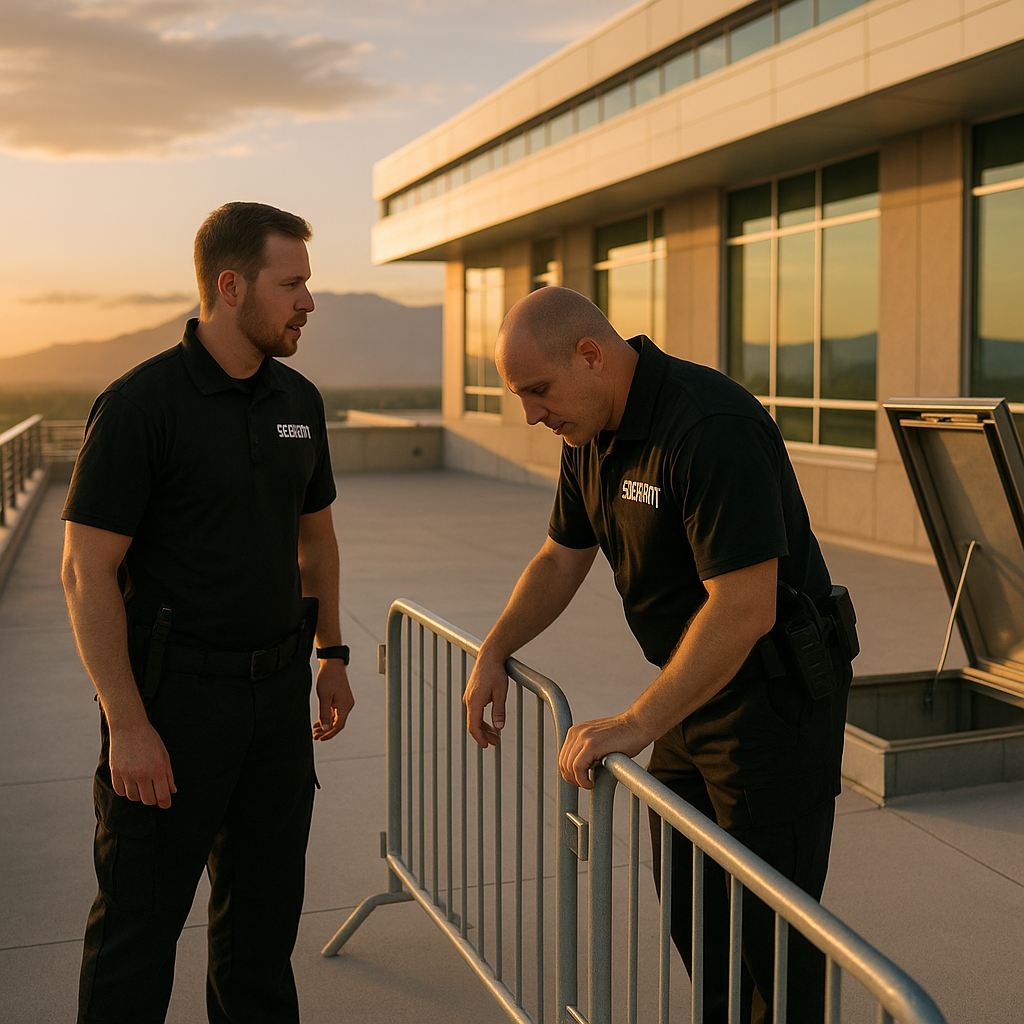
On September 16, 2026, heightened scrutiny surrounds Utah Valley University (UVU) following a legal filing by the family of Charlie Kirk, alleging that the university was aware of significant security vulnerabilities on campus ahead of a fatal incident. The case sheds light on pressing issues regarding security measures and risk management in higher education institutions.
Background of the Incident
The tragic event that took place on campus involved an attack precipitated by an individual accessing an unsecured rooftop area. According to the Kirk family's legal assertions, UVU administrators were previously informed of these rooftop vulnerabilities by a police chief’s text message. This contact, which reportedly highlighted the security risks, acts as a pivotal element in the ongoing evaluation of the university’s safety protocols.
Security Challenges in Modern University Campuses
The incident at UVU emphasizes the multifaceted challenges universities face today in safeguarding students, faculty, and staff. Large campuses with complex infrastructures often have blind spots that require continuous assessment:
- Identifying physical security gaps such as rooftop access points and unsecured perimeters.
- Effective communication channels between campus security, local law enforcement, and university administration.
- Implementation and regular updating of risk mitigation protocols.
- Training for staff and students to recognize and report security threats.
Experts advocate that proactive risk identification and transparent communication are foundational to campus safety.
Implications for Higher Education Institutions
The Kirk family’s legal action and associated revelations put a spotlight on broader institutional accountability within the higher education sector. Universities are expected to maintain environments conducive not only to academic pursuits but also to personal safety.
This case provokes a critical assessment of the following areas:
- Preventive Security Measures: How effectively do institutions evaluate and remediate infrastructural vulnerabilities?
- Response Preparedness: Are protocols in place to respond quickly to emergent threats?
- Transparency and Communication: Does the university communicate risks and incidents adequately with its community?
- Legal and Ethical Responsibility: What frameworks govern the accountability of universities in safeguarding their constituents?
Looking Forward: Enhancing Campus Safety Strategies
In response to developments such as these, many higher education institutions are revisiting their security infrastructures. Innovations in surveillance technology, integrated alert systems, and collaboration with local authorities are being prioritized to mitigate risks.
Furthermore, stakeholder engagement—including students, parents, faculty, and security professionals—is increasingly viewed as essential to crafting comprehensive safety frameworks.
Conclusion
This legal case at UVU serves as a solemn reminder of the evolving security challenges faced by higher education institutions. It stresses the importance of preemptive action, transparent governance, and community involvement in fostering safe campus environments. As universities continue to expand and diversify, continuous evaluation and improvement of safety protocols remain imperative to protect their communities and sustain their educational mission.













No comments yet. Be the first!