
US-Israel-Iran Conflict Impact on Strait of Hormuz and Global Security Dynamics
26 Mar, 2026 | 08:14
.
PE
Updated on
31/03/2026 17:10
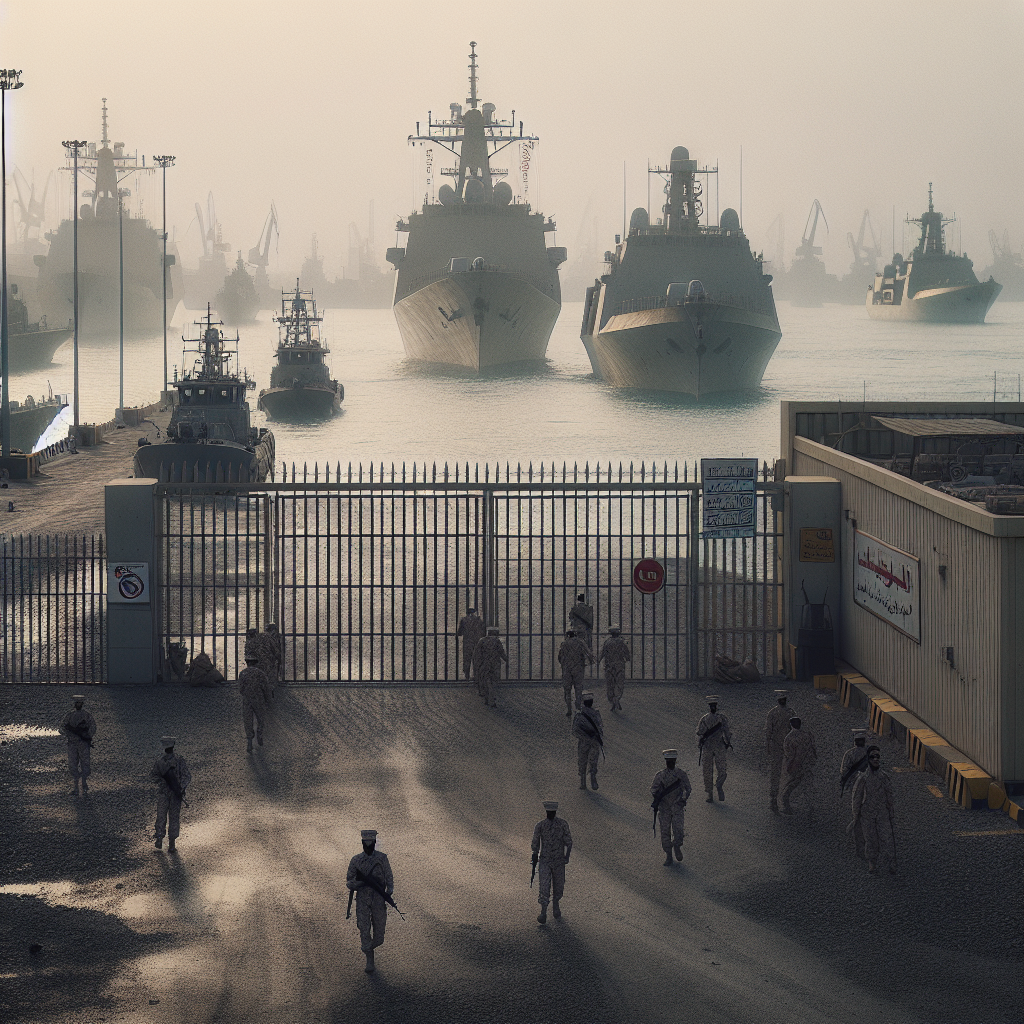
The escalation of tensions between the US, Israel, and Iran has intensified security threats at the Strait of Hormuz, a strategic global chokepoint, impacting energy supply and international maritime security.
GEOPOLITICAL CONTEXT AND STRATEGIC IMPORTANCE OF THE STRAIT OF HORMUZ
As of March 26, 2026, the geopolitical tension involving the US, Israel, and Iran has reached a critical point, with significant implications for global security and energy markets. The Strait of Hormuz remains the pivotal maritime corridor through which approximately one-fifth of the world’s oil supply transits daily. Disruptions in this narrow waterway can trigger volatility across global energy prices and destabilize international trade routes.
MILITARY POSTURING AND SECURITY MEASURES
In response to recent escalations, the US and Israeli military assets have increased their presence in the Persian Gulf region. Enhanced surveillance, deployment of naval forces, and advanced missile defense systems aim to secure maritime navigation and prevent aggression from Iranian proxies or direct military engagement. The complexity of the conflict requires seamless interoperability between coalition naval forces and reliance on real-time intelligence to assure operational superiority.
IMPLICATIONS FOR INTERNATIONAL ENERGY MARKETS
Heightened conflict raises the risk of supply chain disruptions, compelling energy-dependent economies to reassess their import strategies. Volatility in crude oil prices could accelerate inflationary pressures worldwide and impact corporate financial planning. This scenario underscores the importance for energy corporations and policymakers to diversify supply sources and invest in strategic reserves to buffer potential shocks.
NAVAL STRATEGY AND TRANSPORTATION LOGISTICS
Ensuring the freedom of navigation through the Strait necessitates robust coordination among allied naval forces. Strategic maritime chokepoints demand advanced logistical frameworks and contingency planning to mitigate risks of blockade or interdiction. Companies engaged in global shipping and infrastructure management must prioritize adaptive risk assessments and invest in route diversification or alternative transportation modes.
INTERNATIONAL DIPLOMACY AND CONFLICT RESOLUTION PROSPECTS
Sustained diplomatic engagement remains critical to de-escalate tensions and establish frameworks for long-term regional stability. Multilateral forums and backchannel negotiations could lay groundwork for ceasefire agreements or confidence-building measures. The international community’s role in facilitating dialogue is paramount to prevent wider conflict and maintain global economic stability.
CONCLUSION
The evolving conflict between the US, Israel, and Iran over the strategic Strait of Hormuz commands comprehensive analysis from security, economic, and diplomatic lenses. Stakeholders in energy markets, maritime logistics, and international relations must adapt proactively to navigate uncertainties. Integrated strategies encompassing military readiness, economic resilience, and diplomatic outreach will be essential to manage risks and uphold global order.










No comments yet. Be the first!