
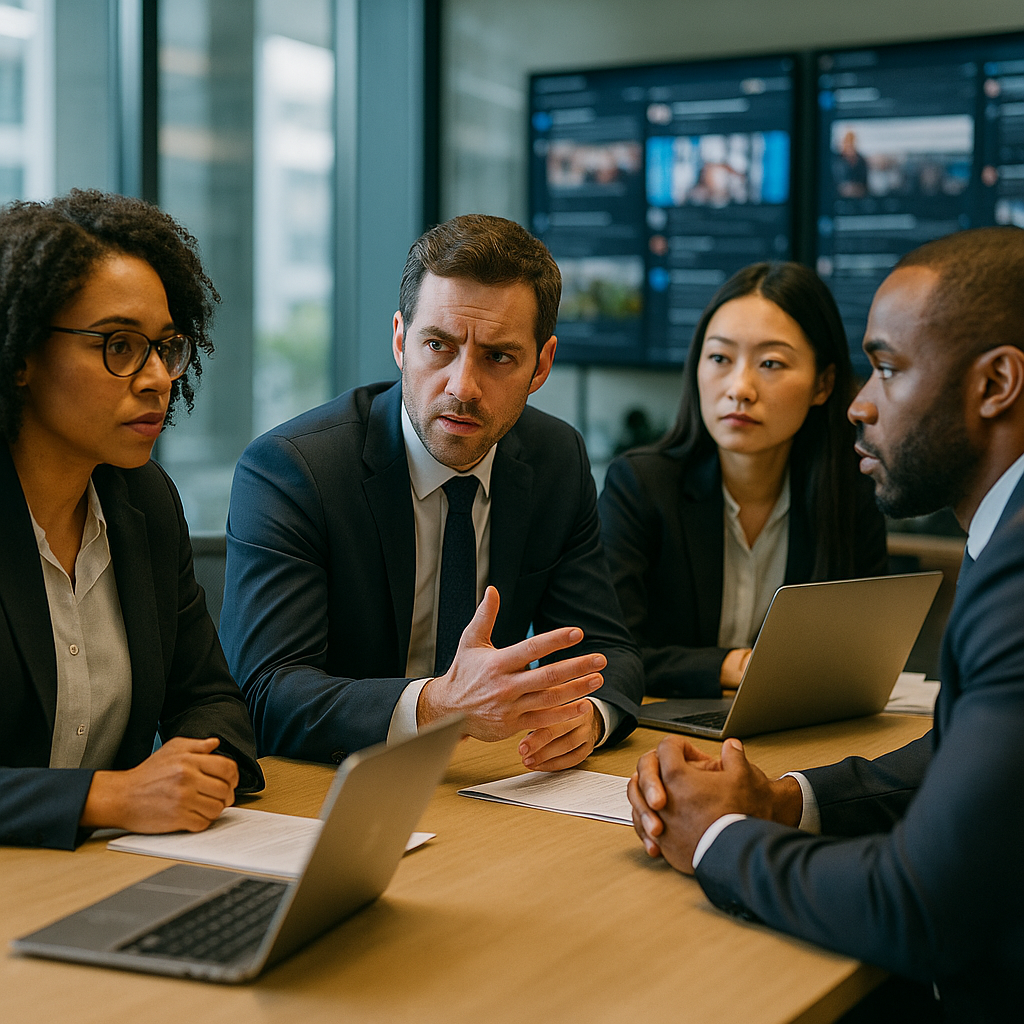
On September 12, 2026, discussions surrounding the influence of social media in shaping workplace culture and employee relations have once again come to the forefront. The recent controversy sparked by a political figure’s message commemorating the events of September 11, 2001 has prompted organizations worldwide to reckon with the broader implications of digital communications within professional environments.
The Evolving Role of Social Media in Workforce Dynamics
Social media platforms, while powerful tools for communication and networking, have increasingly become arenas where political and social issues intersect with workplace norms and employee relations. The incident involving a prominent politician’s 9/11 message on social media, which triggered significant public backlash, highlights the delicate balance companies must maintain in managing their workforce’s diverse perspectives and sensitivities.
Organizations face growing challenges in navigating an environment where employees’ online expressions—especially on politically and historically sensitive topics—can impact workplace cohesion, morale, and brand reputation.
Implications for Organizational Policies and Employee Engagement
Human Resources leaders and corporate management are increasingly tasked with crafting policies that address the intersection of social media use and workplace professionalism. The 9/11-related social media discourse underscores the need for clear guidelines around respectful communication and digital conduct without infringing on personal expression.
Key considerations include:
- Balancing freedom of expression with the prevention of workplace conflicts arising from controversial online content.
- Enhancing digital literacy programs to foster awareness about the potential repercussions of public posts on professional relationships.
- Encouraging open dialogue and diversity initiatives to manage differing viewpoints constructively.
Broader Workforce Trends Influenced by Social Media Incidents
The incident has also illuminated broader trends affecting the global workforce in 2026. Companies are increasingly focused on cultivating inclusive work cultures that can withstand the impact of social and political discourse filtered through social media.
Additionally, recruitment and retention strategies now often incorporate evaluations of candidates’ and employees’ digital footprints as part of assessing cultural fit, given how publicly shared views can influence team dynamics and organizational climate.
Technological Innovations Supporting Workforce Cohesion
In response to these complex challenges, enterprises are leveraging technological solutions aimed at promoting positive engagement and mitigating conflict:
- AI-powered sentiment analysis tools to monitor internal communications and flag potential issues proactively.
- Virtual training platforms simulating real-world scenarios involving sensitive topics to help employees develop empathy and conflict resolution skills.
- Collaboration apps designed with integrated moderation capabilities to ensure respectful exchanges during remote and hybrid working arrangements.
Conclusion
As the global workforce continues to integrate social media heavily into daily interactions, events such as politically charged messages linked to historical moments will invariably influence workplace environments. For organizations in 2026, the imperative lies in crafting adaptive strategies that respect individual expression while safeguarding collective harmony and productivity.
Understanding and proactively managing the complex relationship between social media discourse and workforce dynamics will be essential for sustainable organizational success in an increasingly interconnected and digitally mediated world.




No comments yet. Be the first!