
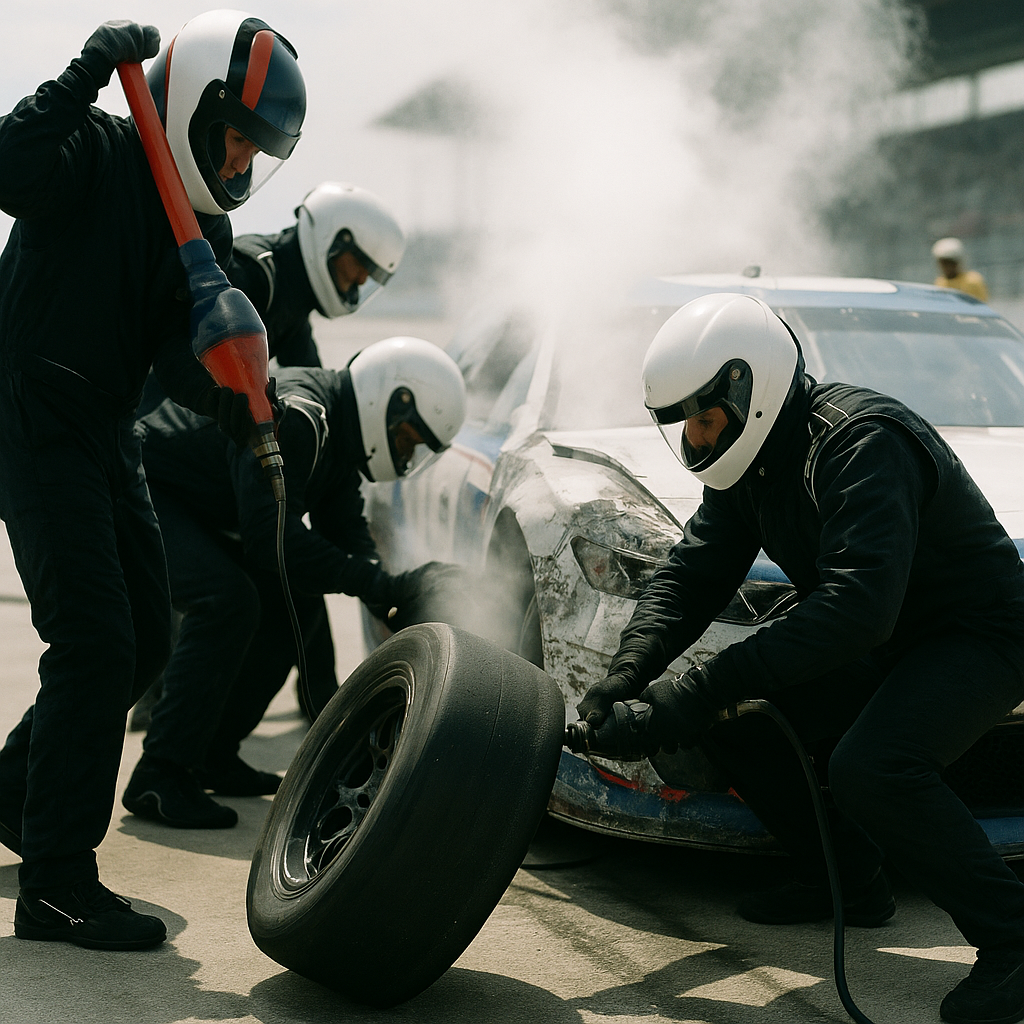
On August 30, 2026, a high-intensity NASCAR race garnered attention not only for its pace but due to a series of critical incidents that involved nearly half the field of drivers. While motorsport enthusiasts often focus on competition results, such events provide valuable lessons regarding workforce management, resilience, and operational challenges within high-stakes industries.
Event Overview and Workforce Implications
The race witnessed an unprecedented number of collisions and vehicle retirements, putting immense pressure on teams, drivers, and support staff. In motorsports, every member’s coordination is crucial to adapt rapidly to unforeseen circumstances such as accidents or mechanical failures.
From a workforce perspective, such an event highlights:
- Stress management: Teams and drivers operate under intense physical and psychological demands, requiring effective stress mitigation strategies.
- Rapid decision-making: Crew chiefs and engineers must quickly analyze data and make tactical decisions, emphasizing agility in workforce roles.
- Coordination across functions: Behind every driver is a complex network of pit crews, strategists, and technical staff working seamlessly.
Leadership and Cultural Shifts in Motorsport Teams
Modern racing organizations are adapting workforce strategies to incorporate diversity and inclusivity while balancing performance expectations. Recent debates surrounding team composition and cultural representation within NASCAR reflect broader trends in workplace transformation worldwide.
These dynamics necessitate:
- Training programs focused on collaborative skills and cultural awareness.
- Leadership models that prioritize both competitive success and employee wellbeing.
- Adoption of innovative technologies to support remote data monitoring and enhanced communication.
Technological Advancements and Workforce Adaptation
The integration of advanced telemetry, AI-driven analytics, and enhanced simulation tools is revolutionizing how teams prepare and react during events. This technological shift requires continuous upskilling and agility from technical staff and drivers alike.
Key workforce considerations include:
- Investment in specialized training for data interpretation and application.
- Recruitment strategies emphasizing versatility and adaptability.
- Ensuring tech-enabled environments support, rather than overwhelm, team members during critical moments.
Impact on Broader Global Workforce Landscapes
Though centered on NASCAR, these insights resonate beyond motorsports. High-pressure environments across industries—from healthcare to logistics—face similar challenges of managing dynamic teams, embracing technology, and cultivating resilient workplace cultures.
Organizations can draw parallels in strategies to:
- Prepare employees for rapid situational changes.
- Foster inclusive work environments that embrace diversity.
- Leverage technology as an enabler of performance rather than a disruptor.
Conclusion
As professional sports like NASCAR evolve amid cultural and technological shifts, their workforce strategies offer valuable lessons in resilience, leadership, and innovation. Navigating high-stakes incidents demands a cohesive workforce adept in both human and technical dimensions, a paradigm increasingly relevant across global sectors.










No comments yet. Be the first!