
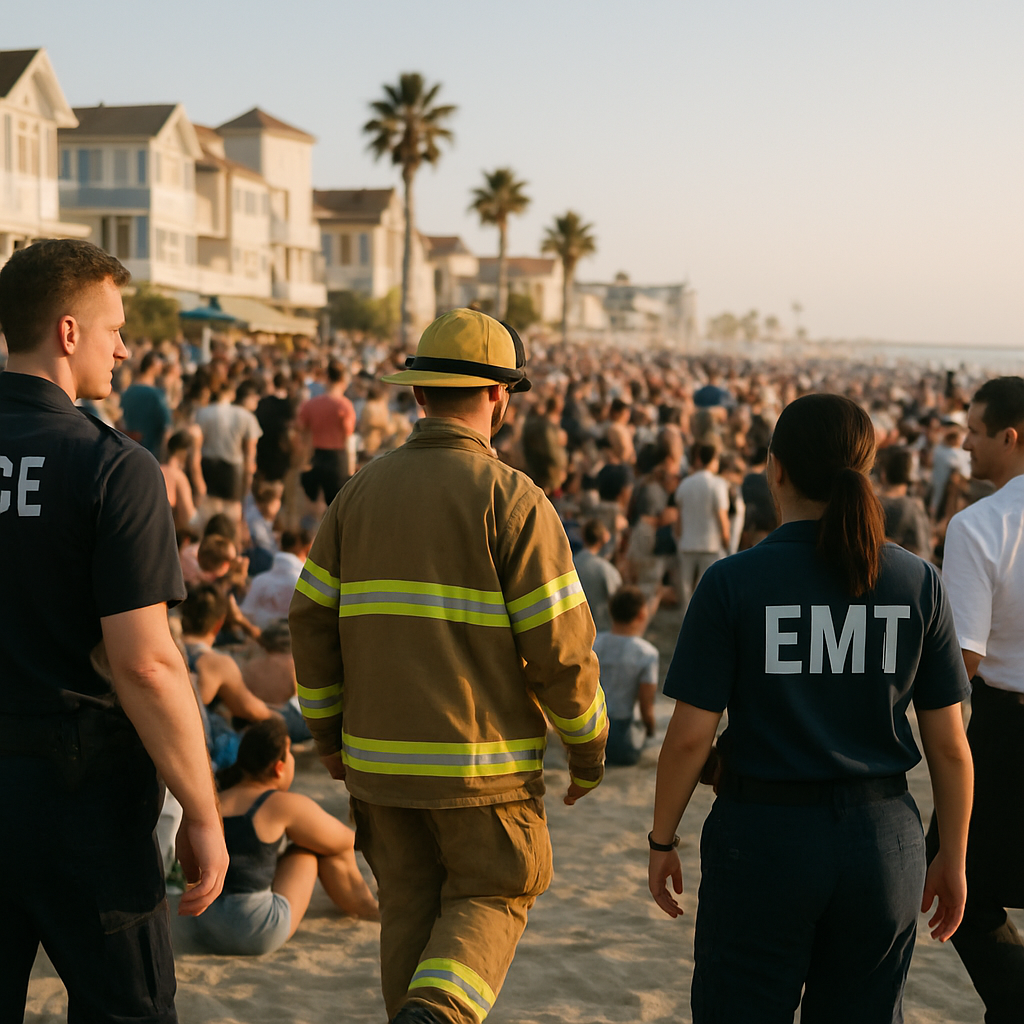
On May 22, 2026, a popular beach resort town has experienced its fifth unauthorized large-scale event in recent months, prompting concerns across multiple sectors tied to the local workforce. While originally hosted by groups primarily consisting of college students, these gatherings have evolved into complex incidents characterized by heightened demands on public safety officers, hospitality workers, and municipal employees.
Impact on Staffing and Local Economy
The influx of thousands of attendees during these spontaneous celebrations places considerable pressure on the town's hospitality workforce, including hotels, restaurants, and retail businesses. Staffing shortages, exacerbated by unpredictable event timing, have led managers to employ last-minute labor solutions, often at increased operational costs. Furthermore, the economic impact is twofold:
- Temporary economic stimulus arises from increased consumer spending during these events.
- Long-term reputational risks threaten the steadiness of tourism revenue due to safety concerns and potential regulatory actions.
Challenges for Public Safety and Municipal Workforce
Law enforcement and emergency services have highlighted significant strains on personnel tasked with crowd control, public order, and incident management. The repetitive nature of these events means officers and emergency responders face recurring overtime demands and increased occupational stress. This environment complicates workforce retention and recruitment efforts within municipal departments.
Additionally, municipal workers charged with sanitation, infrastructure maintenance, and regulatory enforcement are responding to increased workloads and public expectations for swift post-event restoration. These responsibilities highlight the critical nature of adaptive workforce planning in towns prone to sudden large-scale gatherings.
Workforce Solutions and Strategic Planning
Experts in workforce management suggest several approaches for communities facing frequent unregulated events:
- Developing flexible on-call labor pools to accommodate sudden spikes in service demand.
- Investing in community outreach and education to encourage responsible event planning and mitigate negative impacts.
- Enhancing cross-sector collaboration between public safety, hospitality, and municipal agencies for coordinated workforce deployment.
- Implementing data-driven scheduling leveraging past event trends to better anticipate staffing needs.
Broader Implications for the Global Workforce
While focused on a single coastal town, these dynamics reflect wider challenges in managing transient labor forces in tourist-dependent economies worldwide. The balance between capitalizing on increased visitor spending and safeguarding workforce welfare requires innovative strategies that can adapt to unpredictable social behaviors.
Moreover, these case studies emphasize the evolving roles of frontline workers, who must navigate heightened risks and fluctuating workloads amid changing public safety landscapes.
Conclusion
Unregulated mass gatherings in popular tourism destinations present complex challenges for workforce management across multiple sectors. Addressing these requires forward-looking labor strategies, interagency collaboration, and community engagement to sustain economic benefits while protecting workers' well-being and public safety.









No comments yet. Be the first!