
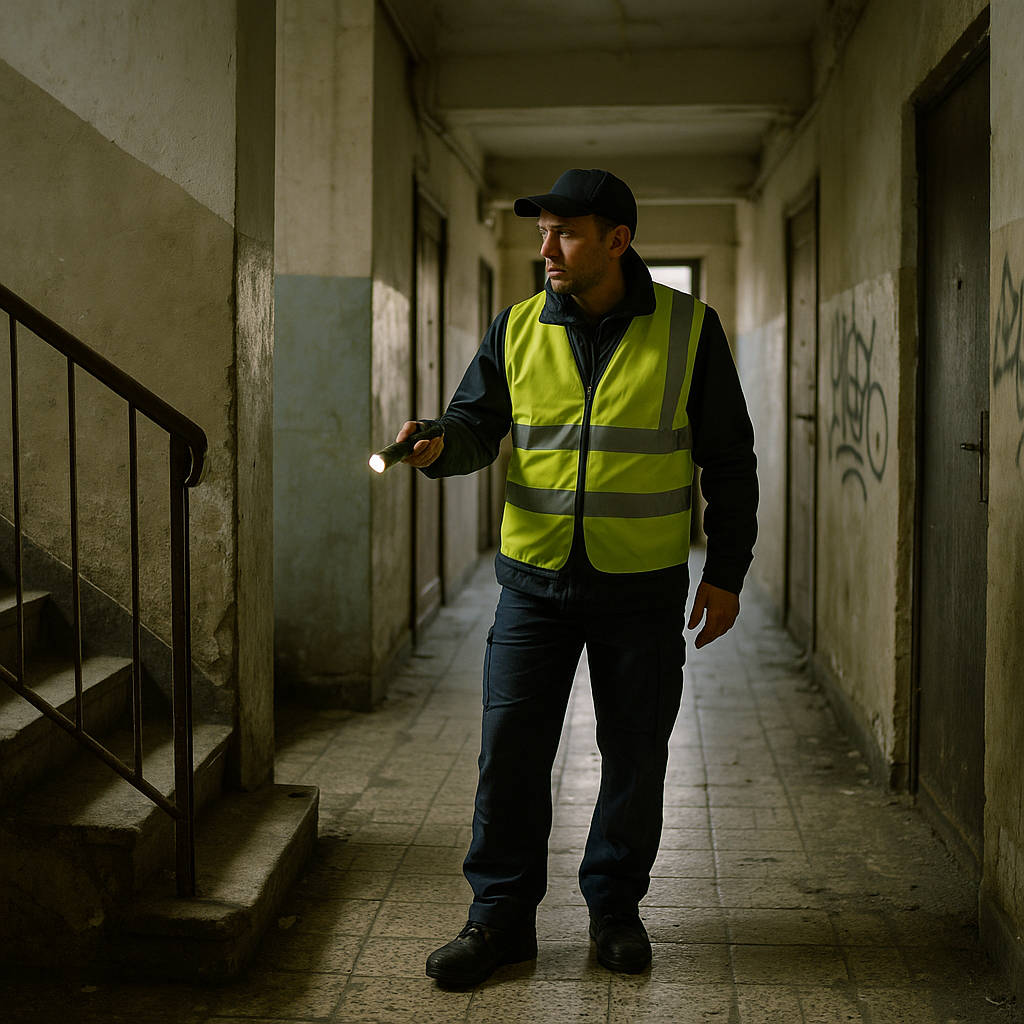
In Washington D.C., an apartment building has recently become a focal point of concern due to the invasion of illegal squatters whose activities include drug trafficking, violent assaults, and coercive behavior. These developments present considerable obstacles not only for property owners but also for the labor force engaged in building management, maintenance, and law enforcement operations.
Workforce Safety and Urban Housing Risks
Workers tasked with maintaining the apartment complex have encountered hazardous conditions arising from the unchecked presence of individuals involved in criminal enterprises. The threats include armed confrontations and exposure to illegal substances, which severely compromise workplace safety standards and operational workflows.
The unsafe environment directly impacts the efficiency and morale of the workforce, with increased absenteeism and turnover reported among security personnel and maintenance staff. This situation reflects broader implications for urban labor sectors tasked with sustaining the functionality of residential buildings under duress.
Legal and Managerial Challenges
Property managers face complex legal disputes stemming from the difficulties in evicting illegal occupants who remain protected by certain tenant rights and bureaucratic hurdles. This impasse delays remedial actions and prolongs unsafe conditions, complicating workforce engagement and responsibilities.
Additionally, these conflicts strain relations between management companies, local authorities, and the labor force, necessitating better coordination mechanisms to ensure timely and effective resolutions.
Broader Social Impact on the Labor Environment
The persistence of such illegal occupations in urban residential zones has ripple effects across the socio-economic landscape. Workers in the vicinity, including delivery personnel, healthcare providers, and social workers, face increased risks and operational challenges while performing their duties.
- Disruption of daily operations: Interruptions caused by hostile environments delay service and maintenance schedules.
- Increased mental strain: Exposure to violence and instability raises stress levels among workers, which can affect long-term productivity.
- Demand for specialized training: Ensuring staff preparedness for conflict situations in urban workplaces becomes essential.
Policy Implications and Workforce Support
This case accentuates the necessity for comprehensive policies that balance tenant protections with the safeguarding of workers and property interests. Enhancing legal frameworks to expedite eviction processes under clear safety threats can alleviate risks to the labor force.
Furthermore, investment in community outreach programs and security infrastructure supports safer work environments, which ultimately benefit the broader urban workforce and residents alike.
Conclusion
The situation within the Washington D.C. apartment building serves as a critical example of how illegal squatting transcends property issues, significantly impacting workforce safety, operational integrity, and urban social dynamics. Addressing these challenges requires coordinated efforts among stakeholders to protect workers and promote sustainable urban livelihoods.












No comments yet. Be the first!