
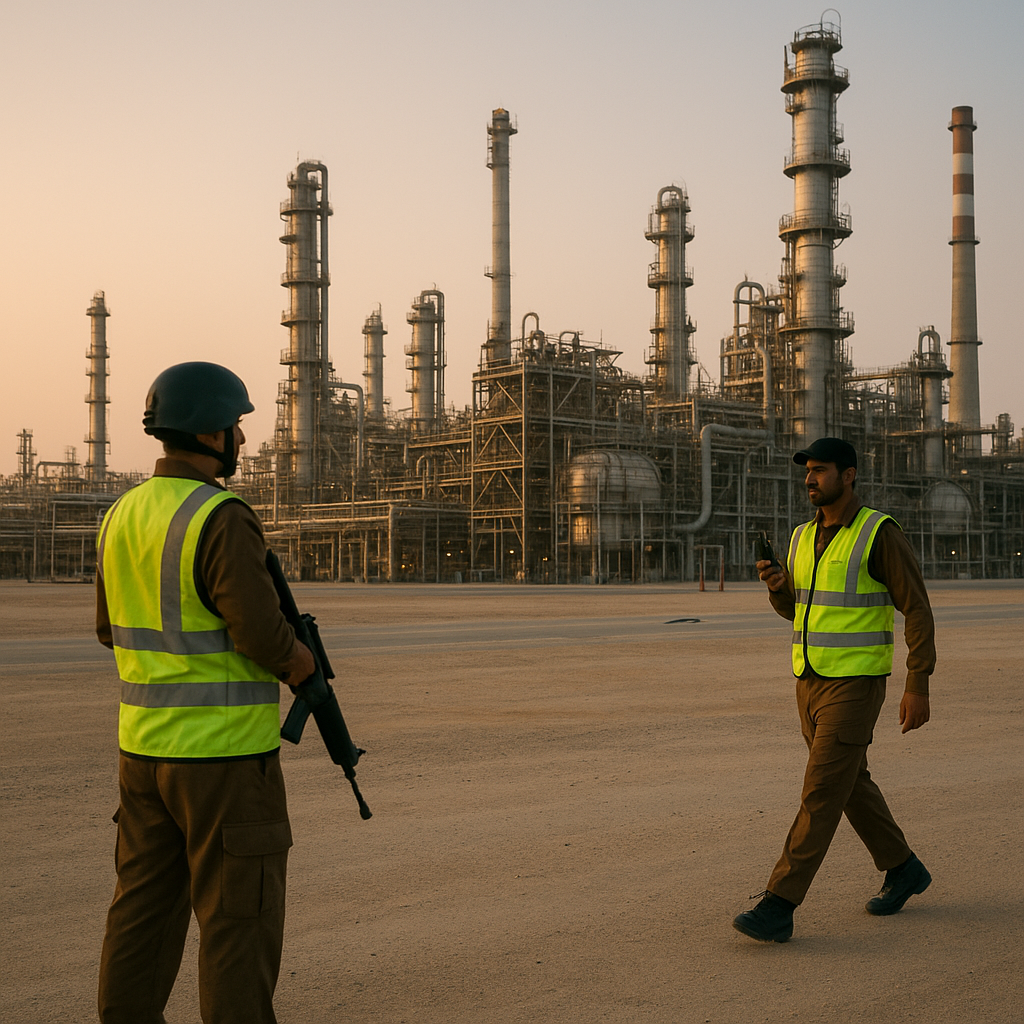
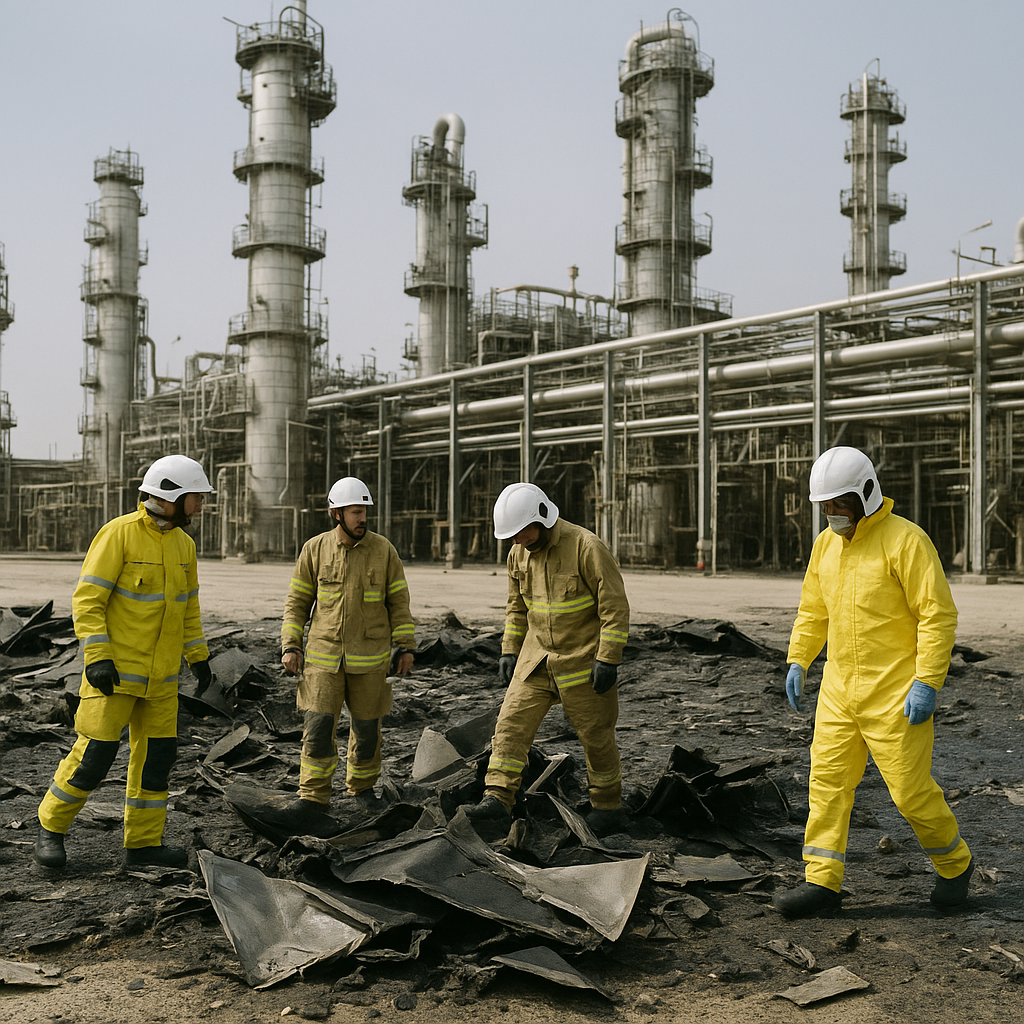
On July 25, 2026, an Iran-backed armed group claimed responsibility for attacks targeting the facilities of one of the world's largest oil companies in Saudi Arabia. These developments not only heighten geopolitical tensions but also significantly impact the global workforce linked to the energy sector.
Global Workforce Challenges Amid Geopolitical Instability
The escalation of conflict-related activities in a pivotal region for energy production has introduced multifaceted challenges for companies managing thousands of workers worldwide. For the millions employed directly or indirectly in oil extraction, refining, and distribution, the current events raise pressing concerns about safety, mobility, and operational continuity.
Global energy firms now face urgent demands to:
- Reassess security protocols for staff stationed in high-risk zones.
- Implement contingency plans to prevent operational disruptions affecting international supply chains.
- Adapt workforce deployment strategies considering travel restrictions and regional unrest.
Impact on Labor Mobility and Operational Continuity
Companies with extensive expatriate populations and remote operational sites must rapidly adjust. Travel restrictions combined with heightened security measures have constrained employee mobility, leading to delays and staffing shortages. Such conditions necessitate innovations in remote monitoring, automation, and local workforce upskilling.
Moreover, worker safety programs are increasingly emphasizing mental health support and crisis management training to cope with risks associated with volatile environments.
Strategic Shifts in Global Energy Workforce Planning
Energy corporations are accelerating the diversification of their labor pools by investing in local talent development and integrating advanced technologies that reduce dependency on human presence in hostile zones.
Key strategic initiatives include:
- Strengthening partnerships with regional governments to ensure workforce protection and regulatory compliance.
- Leveraging data analytics and AI for predictive risk assessment and optimized workforce allocation.
- Expanding training programs focused on remote operations and safety protocols.
These efforts aim to sustain productivity while minimizing the human and financial costs linked to geopolitical conflicts.
Broader Implications for the Global Economy and Workforce Trends
The ripples from the Middle East's instability extend well beyond energy markets. Disruptions in oil supply affect manufacturing, transportation, and construction sectors globally, influencing labor demand patterns in these industries.
Consequently, workforce strategists worldwide must navigate an evolving landscape marked by:
- Greater emphasis on agility and resilience in workforce planning.
- Rising importance of cross-sector collaboration to absorb supply chain shocks.
- Increased investment in workforce well-being and security measures.
Conclusion
The recent conflict-driven attacks in the Middle East exemplify how geopolitical risks compel urgent adaptations in global workforce management, particularly within the energy sector. As multinational companies confront these challenges, the integration of technology, comprehensive safety strategies, and workforce flexibility remains paramount to sustaining operational integrity and protecting employees worldwide.











No comments yet. Be the first!