
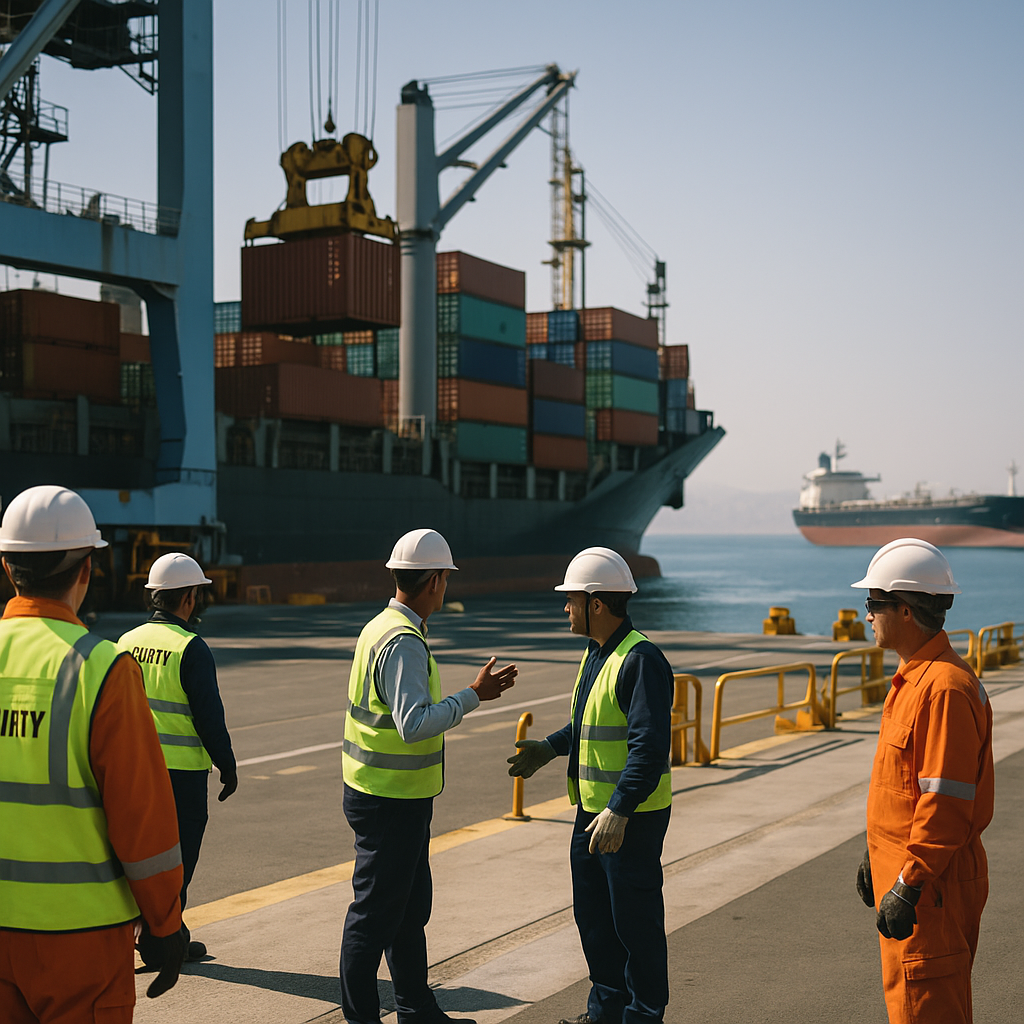
In the complex tapestry of global conflicts currently unfolding in 2026, the role of Iranian weaponry has transcended traditional battlefields to exert a growing influence on global workforce dynamics. The dual conflicts in the Middle East and beyond have had profound consequences not only on regional stability but, notably, on international labor markets, industrial operations, and supply chain networks.
Expanding Impact Beyond Geopolitics
Iran’s emergence as a key supplier of sophisticated weapons systems in ongoing conflicts has introduced new variables affecting labor forces tied to global commerce and manufacturing. The Strait of Hormuz, a critical maritime chokepoint through which approximately 20% of the world’s petroleum passes, has seen heightened disruption risks. These risks translate directly into economic uncertainties that ripple through employment sectors and industrial productivity worldwide.
Global companies reliant on Middle Eastern energy and raw materials are recalibrating workforce strategies to mitigate supply chain disruptions. These measures include diversifying supplier bases, increasing inventory buffers, and investing in workforce reskilling programs to enhance operational resilience.
Challenges for the International Workforce
- Supply Chain Instability: Intermittent disruptions in shipping routes have led to unpredictable delays, impacting production schedules and labor demand in manufacturing hubs.
- Energy Market Volatility: Fluctuating oil prices resulting from regional tensions affect operational costs, compelling companies to adjust labor allocations and wage structures.
- Workforce Mobility Restrictions: Heightened security measures and geopolitical uncertainties have constrained cross-border worker mobility, influencing recruitment and talent deployment plans.
Adaptive Workforce Strategies in a Volatile Global Context
In response to these challenges, multinational corporations and governments are increasingly prioritizing workforce agility and technological adoption. Automation and remote work arrangements gain traction as mechanisms to buffer labor market shocks tied to external geopolitical pressures.
Furthermore, policy frameworks are evolving to support resilience, such as facilitating workforce retraining programs focused on digital competencies and strengthening international labor partnerships to manage disruptions more effectively.
Looking Ahead: Stability and Growth Opportunities
While Iranian arms involvement in current conflicts presents significant challenges, it also accelerates the impetus for innovation within the global workforce ecosystem. Firms are exploring advancements in supply chain transparency, leveraging data analytics to foresee and adapt to risks, thereby fostering more sustainable employment practices.
Investing in human capital development, particularly in sectors vulnerable to geopolitical disturbances, emerges as a critical priority for sustaining global economic momentum and protecting jobs.
Conclusion
The intersection of geopolitical conflict and workforce dynamics in 2026 highlights the intricate dependencies shaping today’s global economy. As Iranian weaponry influences strategic trade routes and regional stability, the resulting workforce impacts call for robust, forward-looking approaches that balance security concerns with economic continuity. Adapting to these multifaceted challenges will define the resilience of industries and labor markets worldwide in the years ahead.







No comments yet. Be the first!