

On September 3, 2026, the geopolitical landscape surrounding the Strait of Hormuz experienced significant volatility, driven by intensified military engagements involving Iran and international forces. While the immediate focus remains on the security implications, businesses operating in and around this strategic corridor are closely evaluating the impact on their global workforce management strategies.
Implications for Global Workforce Deployment
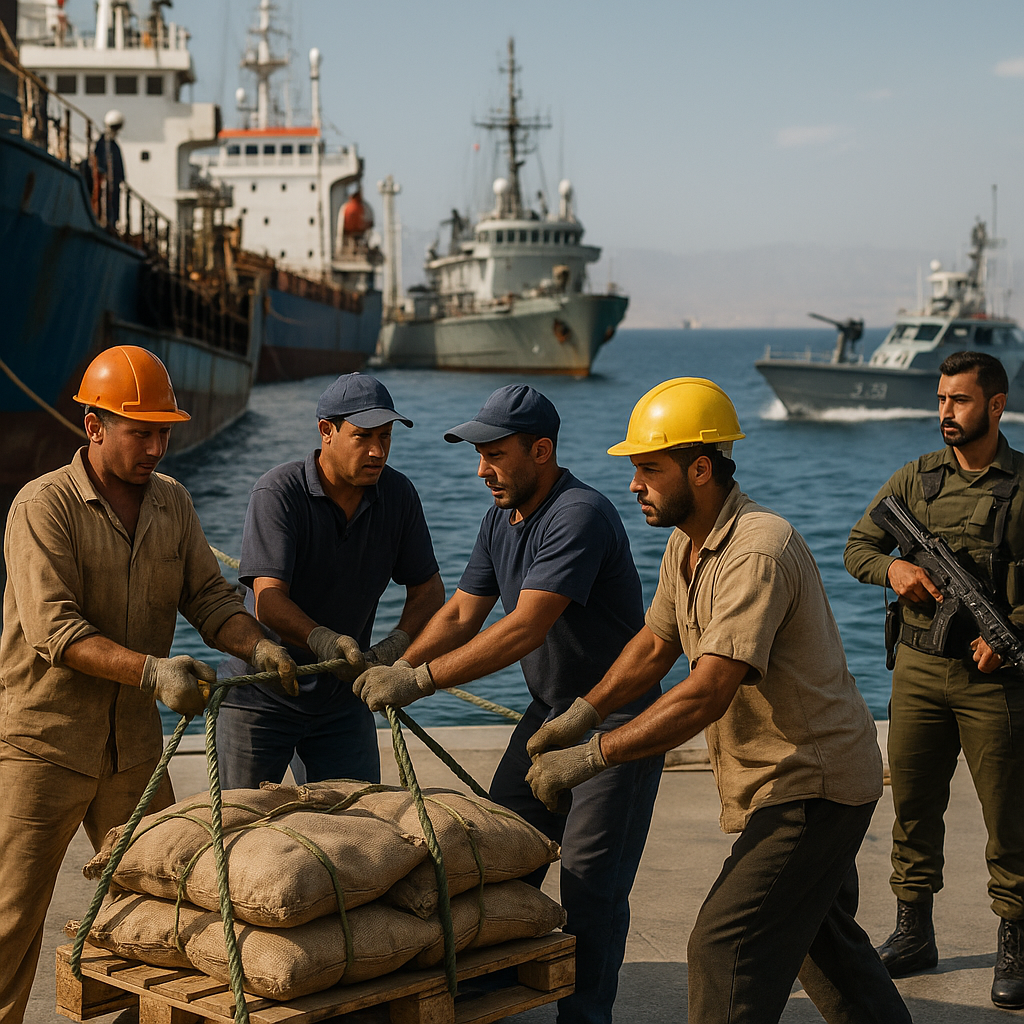
Multinational corporations utilizing the Strait of Hormuz as a critical supply route are confronted with heightened operational risks. Workforce deployment in this region, particularly expatriate and transit employees, has become increasingly complex due to:
- Elevated security concerns discouraging in-person assignments.
- Heightened travel restrictions and logistical constraints.
- The necessity to implement robust contingency and crisis management plans.
Companies are rethinking onsite staffing models, opting for remote monitoring technologies where possible, and accelerating workforce reallocation to safer locations to ensure business continuity.
Supply Chain Stress and Talent Management Challenges
The Strait of Hormuz serves as a pivotal maritime passage for global energy and goods transportation. Disruptions here exacerbate supply chain vulnerabilities, directly affecting workforce strategies:
- Fluctuations in oil prices influence energy sector employment and project planning internationally.
- Delays in shipments impact manufacturing schedules, requiring agile talent deployment to adapt production timelines.
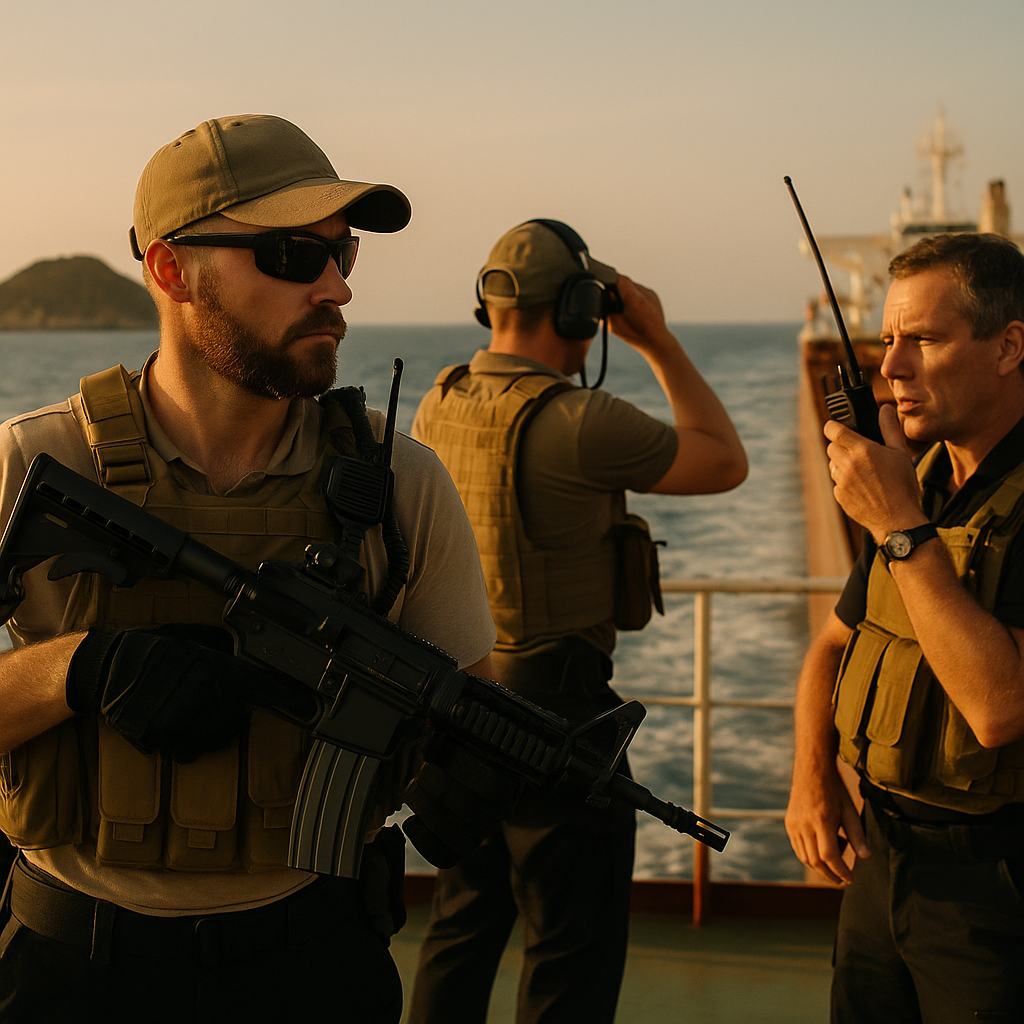
- Heightened risks necessitate enhanced employee safety protocols and insurance considerations.
Talent retention in high-risk zones is increasingly challenging, prompting companies to invest in employee engagement programs that address security concerns and mental health.
Technological Adaptation and Remote Work Trends
In response to the evolving risks, organizations are accelerating the adoption of digital technologies to maintain workforce productivity amid restricted physical mobility:
- Deployment of advanced collaboration tools minimizes dependence on onsite presence.
- Use of AI-driven monitoring solutions enables real-time operational oversight in volatile regions.
- Enhanced cybersecurity measures protect remote workforce communications and sensitive data.
This technological pivot not only mitigates immediate disruption risks but also signals a longer-term shift toward more resilient and flexible workforce models globally.
Economic and Policy Considerations
Governments and international organizations are increasingly engaged in mediating regional tensions, yet the uncertain policy environment imposes ongoing challenges for workforce strategic planning. Companies must navigate:
- Dynamic sanctions and regulatory frameworks affecting international mobility.
- Compliance with evolving labor laws within affected countries.
- Engagement with diplomatic entities to safeguard employee interests.
Strategic human resource leaders are advised to closely monitor geopolitical developments, fostering agile decision-making frameworks to anticipate and respond to emergent risks.
Conclusion
The recent military escalation near the Strait of Hormuz presents a multifaceted challenge for the global workforce landscape. Companies operating in this strategically sensitive area must balance risk mitigation with operational demands, enhancing technological integration and prioritizing employee safety. The evolving scenario underlines the critical importance of adaptable workforce strategies amidst geopolitical uncertainty.










No comments yet. Be the first!