
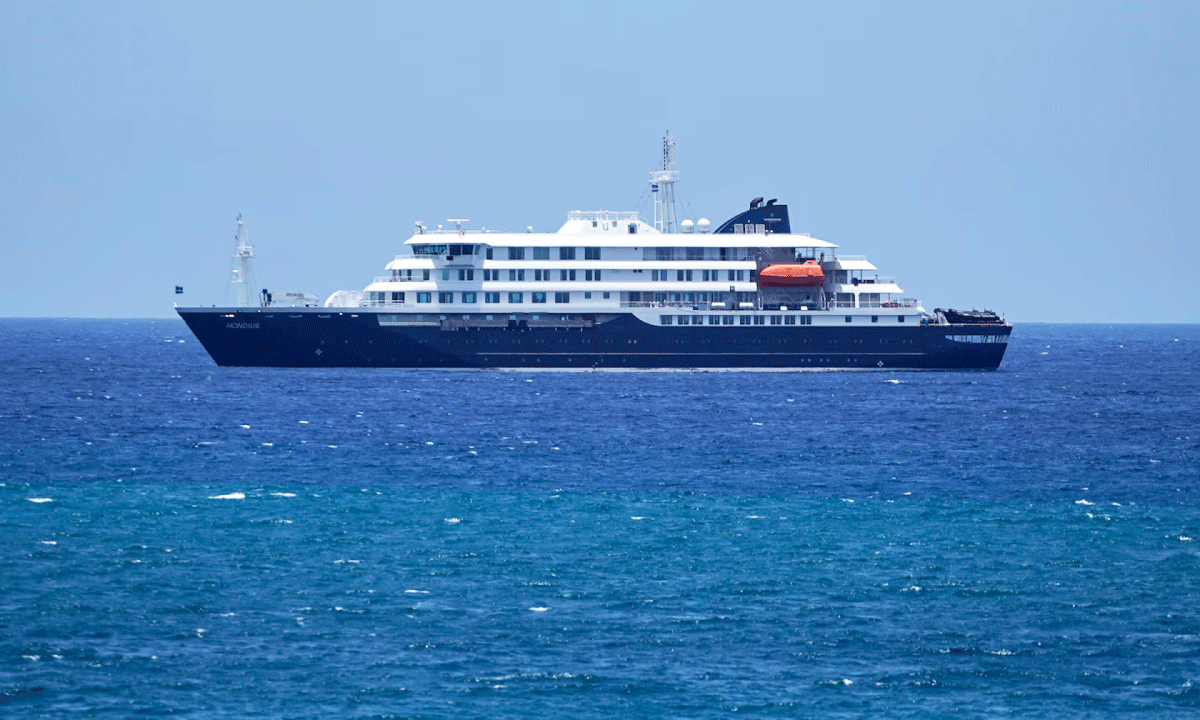
A health alert unfolds during an active voyage
A suspected case of hantavirus aboard a cruise ship triggered a coordinated health response while the vessel was still at sea. Authorities were alerted after a passenger showed symptoms consistent with the infection, prompting immediate monitoring of individuals who may have been exposed during the journey.
The situation required onboard measures to assess risk levels and determine next steps before the ship reached port. While no widespread outbreak was confirmed, the presence of a potentially serious illness led to heightened vigilance among health officials and crew members.
Understanding the nature of hantavirus
Hantavirus infections are relatively rare and are typically associated with exposure to rodents or their droppings. Unlike respiratory viruses that spread easily between people, hantavirus transmission is usually linked to environmental contact, making its appearance in a cruise setting uncommon.
Despite its lower transmission profile, the disease can be severe, which explains the precautionary measures taken in this case. Health authorities often respond conservatively when symptoms align with known risk patterns, especially in confined environments where monitoring is more complex.
Coordinating responses across borders and systems
Cruise ships operate across multiple jurisdictions, which adds complexity to any health-related incident. When a suspected case emerges, coordination between onboard medical teams, port authorities, and national health agencies becomes essential.
In this instance, communication protocols were activated to ensure that relevant authorities were informed ahead of arrival. Such coordination helps manage risk, facilitate medical evaluation, and determine whether additional measures are necessary once the vessel docks.
Why rare cases still demand structured protocols
Even though hantavirus cases are not common in travel settings, the incident illustrates how preparedness extends beyond high-frequency threats. Cruise environments, with shared spaces and limited isolation capacity, require predefined procedures for a wide range of health scenarios.
Monitoring passengers, identifying close contacts, and maintaining clear communication are part of standard response frameworks that can be adapted depending on the suspected illness.
A reminder of evolving health considerations in global travel
The cruise ship case underscores how international travel continues to intersect with public health systems in complex ways. Even isolated incidents require structured responses that balance caution with operational continuity.
As travel networks remain highly interconnected, similar situations are likely to be managed through coordinated frameworks that prioritize both safety and efficiency in cross-border environments.












No comments yet. Be the first!