
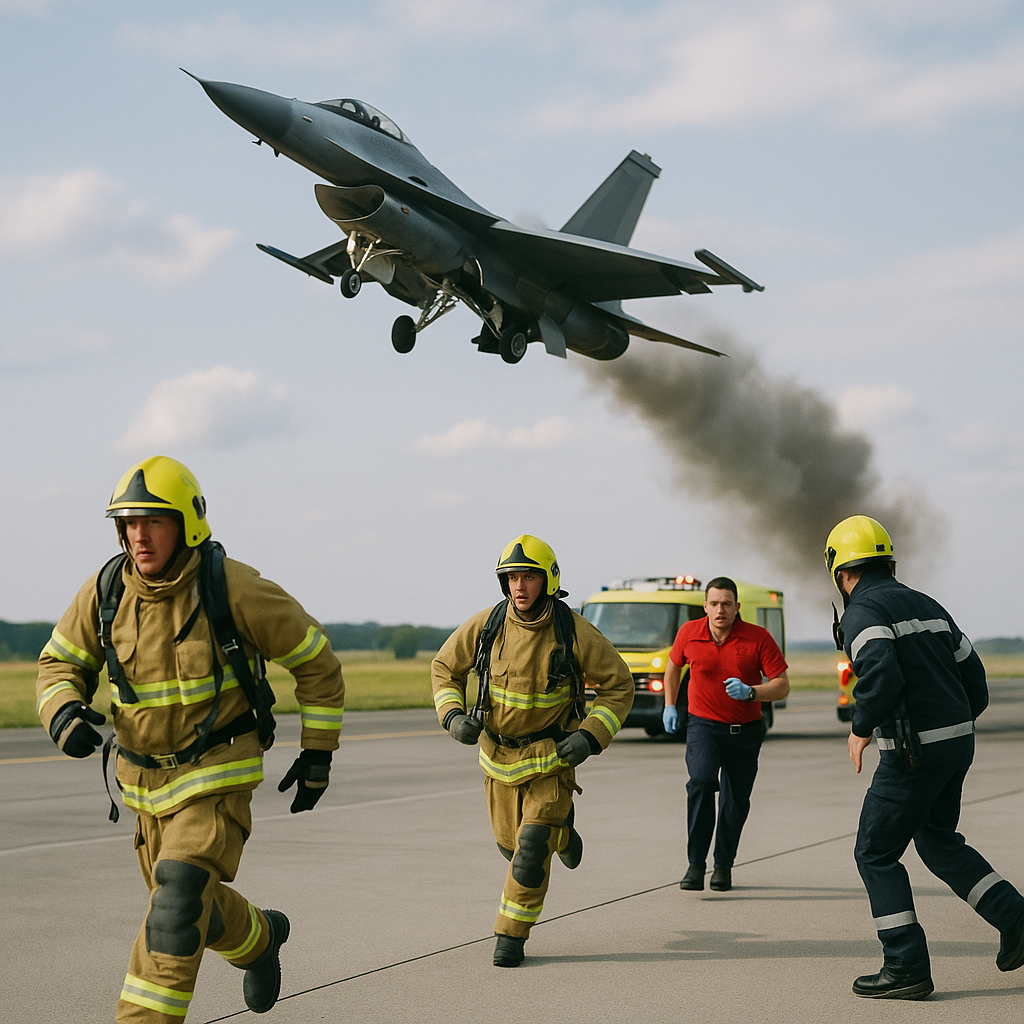
On September 5, 2026, a fighter jet crashed during a high-profile international air show, leading to the deaths of two experienced pilots just minutes after takeoff. This incident, witnessed by thousands of spectators, has sparked serious discussions regarding workforce safety, pilot training protocols, and crisis management within the aerospace industry.
Immediate Workforce Implications
The sudden loss of skilled aviators highlights the acute need to address occupational hazards faced by military and commercial pilots worldwide. Organizations involved in aviation are now intensifying efforts to evaluate their safety standards, especially for demonstration flights that attract large crowds but also involve elevated risk profiles.
Experts underline that ensuring pilot readiness and mechanical reliability requires:
- Advanced simulation training to better prepare pilots for emergency situations.
- Rigorous maintenance checks adhering to the strictest engineering standards.
- Enhanced communication protocols between pilots and ground control during critical flight phases.
Broader Impact on Training and Recruitment
The crash has reignited conversations about the recruitment and retention strategies within the aerospace workforce. Organizations are now placing greater emphasis on recruiting pilots who not only meet high technical proficiency but also demonstrate adaptive decision-making capabilities under pressure.
Additionally, training programs are being reexamined with a focus on:
- Incorporating new technologies such as augmented reality for immersive learning experiences.
- Increasing interdisciplinary collaboration between engineers, safety experts, and flight instructors.
- Standardizing emergency protocols across global aerospace institutions to ensure uniformity and efficiency.
Safety Culture and Technological Advances
This tragic event underscores the importance of cultivating a strong safety culture among all members of the aviation workforce. It has accelerated investments into next-generation safety systems, including:
- Real-time monitoring technologies capable of detecting mechanical failures instantaneously.
- Improved ejection seat technology designed to maximize pilot survivability in critical situations.
- Artificial intelligence tools that assist in predictive maintenance and anomaly detection.
Challenges for the Aerospace Sector
Despite these advancements, the aerospace workforce faces ongoing challenges:
- Balancing the demands of high-risk demonstration flights with personnel safety.
- Maintaining morale and mental health support for pilots operating under extreme stress.
- Ensuring transparent communication channels with the public to manage the impact of such incidents on industry perception.
Industry stakeholders emphasize that learning from this incident is critical to strengthening operational resilience and protecting both personnel and civilians.
Conclusion
The fighter jet crash at the September 2026 air show has brought to the forefront the vulnerabilities inherent in the global aerospace workforce. By addressing training, safety culture, and technological integration comprehensively, the sector can advance towards mitigating risks and enhancing the protection of its most valuable resources – its people.











No comments yet. Be the first!