
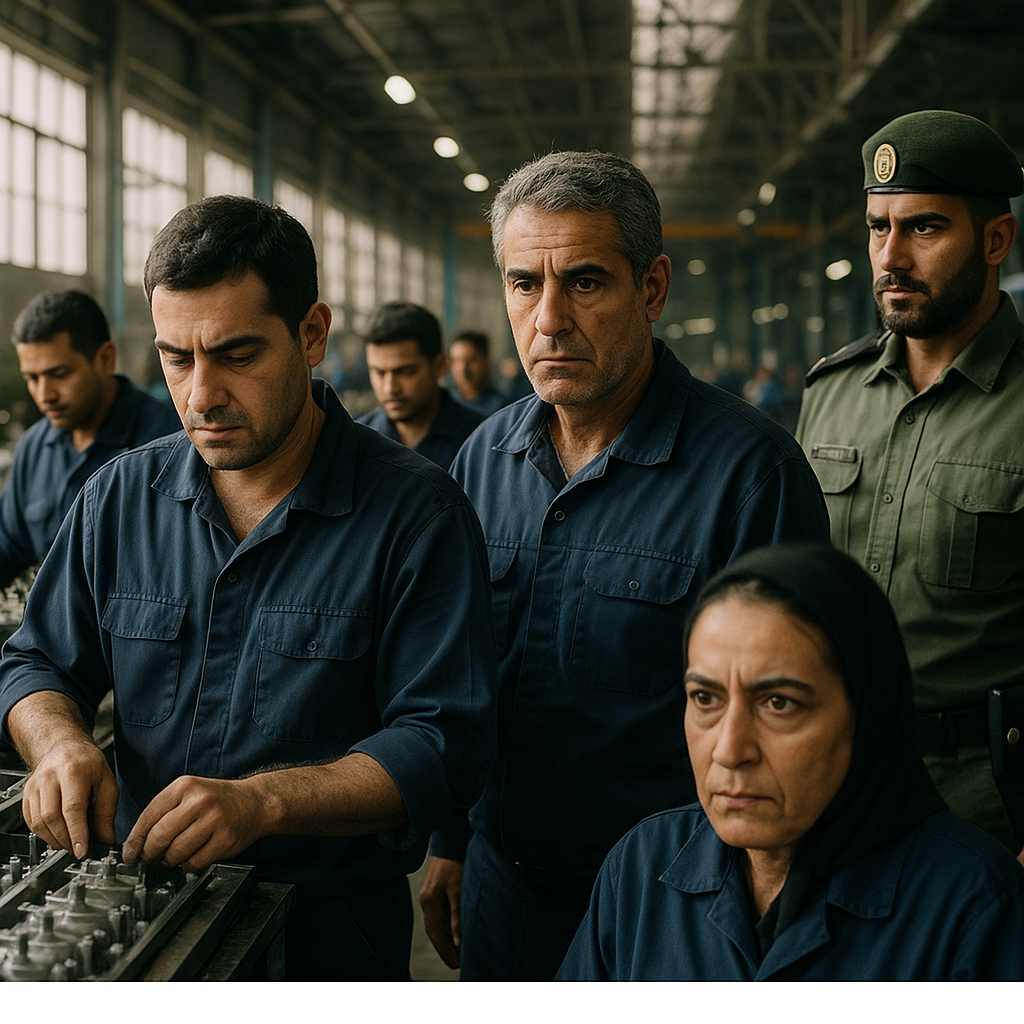
On October 9, 2026, events unfolding in Iran continue to cast a shadow over the conditions of the country's workforce. The recent execution of a protester who had married an imprisoned fiancée, reportedly in the hours before his death, underscores the critical intersection of political unrest and labor rights within the Islamic Republic.
This case, reported by international human rights observers, has stirred global discussions about the harsh realities Iranian workers and citizens face amidst a tense legal and political framework. The execution not only resonates as a human rights issue but, from a workforce perspective, it reflects a broader climate of insecurity impacting employee wellbeing, labor activism, and organizational stability within Iran.
Workforce Implications of Political Repression
Political upheaval in Iran directly affects workforce dynamics through several mechanisms:
- Legal and Social Uncertainty: Harsh penalties and executions create an environment of fear among workers, limiting open dialogue about workplace rights and conditions.
- Impact on Labor Activism: The suppression of protests and activists disrupts collective bargaining efforts and restricts the growth of independent labor movements.
- Psychological and Economic Stress: Families of protesters and executed individuals face economic hardships and emotional distress that ripple throughout the workforce.
Challenges for Employers and Industries
Employers and various industries within Iran must navigate the complexities imposed by the political environment, which include:
- Workforce Retention Difficulties: The climate of repression contributes to brain drain as skilled employees seek opportunities abroad.
- Operational Disruptions: Protests and social unrest create interruptions in production schedules and supply chains.
- International Sanctions and Economic Isolation: These factors exacerbate resource constraints, affecting labor markets and employment opportunities.
Adaptation and Resilience Strategies
Despite the significant challenges, some sectors and organizations have begun exploring adaptive strategies to sustain workforce functionality:
- Implementing informal support networks to assist affected workers and their families.
- Seeking alternative training and development pathways less vulnerable to political instability.
- Enhancing remote work capabilities where possible to mitigate disruption from street-level unrest.
Global businesses with interests in Iran or the region must prioritize understanding these socio-political dynamics to develop informed, ethical, and sustainable workforce policies.
Conclusion
As of October 2026, the intersection of political repression and workforce conditions in Iran remains a critical concern for both domestic and international stakeholders. Addressing the human and labor implications requires concerted efforts to foster safer, more transparent employment environments and to uphold fundamental labor rights against a backdrop of ongoing political challenges.







No comments yet. Be the first!