
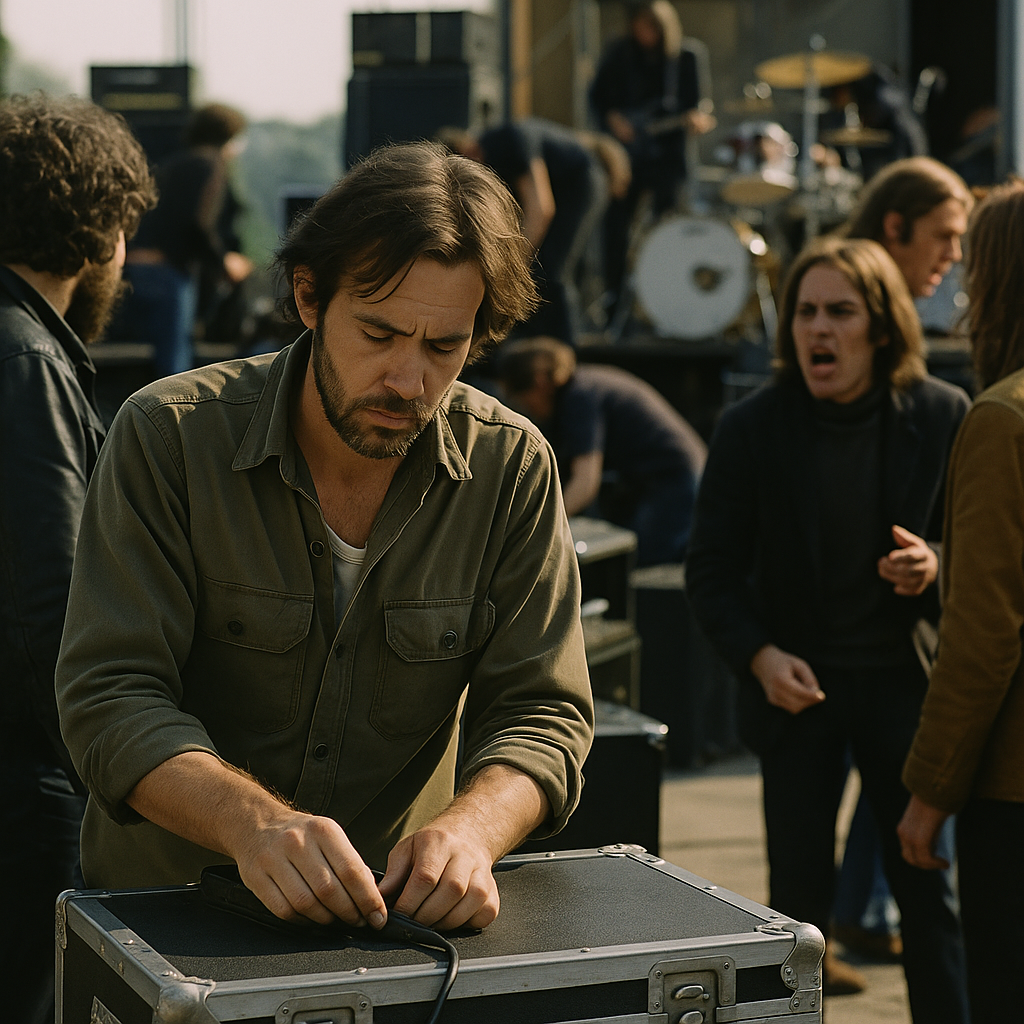
August 30, 2026 – The legendary guitarist Jimi Hendrix remains an emblematic figure not only for his musical innovation but also for the turbulent circumstances surrounding his final days. Recently revealed accounts of Hendrix’s last words to his roadie, shortly after a violent altercation involving outlaw motorcycle clubs, offer unexpected insights into managing workforce crises and stress in chaotic environments.
Context of Hendrix’s Final Hours and Workforce Implications
Hendrix’s experiences, occurring in the late 1960s, reflect challenges that transcend the music industry and reverberate in today’s global labour environment. His composure and communication amidst violence reveal the necessity of clear leadership and support systems when organizations face unpredictable disruptions. In the 2026 global workplace, where unpredictability from geopolitical tensions, labor disputes, and rapid technological changes prevail, drawing parallels from Hendrix’s story can equip workforce managers with a framework for resilience.
Managing Workforce Crisis Amid High-Stress Situations
The chaotic incidents linked with Hendrix before his death highlight these crucial lessons for workforce sustainability:
- Communication Under Duress: Maintaining clear, calm communication channels strengthens team morale even when external circumstances escalate.
- Support Networks: The relationship between Hendrix and his roadie underscores the importance of trusted personnel in providing emotional and logistical stability.
- Preparedness for Unforeseen Events: Organizations must implement contingency strategies that anticipate violent or disruptive scenarios affecting employees.
- Psychological Resilience: Training workforce members to manage stress and trauma contribute significantly to overall workplace health and productivity.
Global Workforce Trends and Hendrix’s Enduring Legacy
In 2026, as companies transform through automation and remote working dynamics, maintaining human factors such as emotional intelligence and crisis readiness grows paramount. Hendrix’s narrative, from artistry to adversity, resonates within efforts to cultivate adaptable, empathetic, and resilient employees globally.
The story also invites reflection on the role of frontline workers, much like Hendrix’s roadie, who ensure operational continuity and absorb shocks to maintain organizational function during crises.
Conclusion
Ultimately, the final words and experiences of Jimi Hendrix provide more than historical curiosity; they deliver a framework for modern workforce leaders to navigate volatility. Emphasizing communication, support, preparedness, and resilience can mitigate the impact of high-stress incidents and foster stronger, more adaptable organizations worldwide.










No comments yet. Be the first!