

August 3, 2026 – A significant nationwide blackout has affected a major Caribbean island, disrupting power supply across residential, commercial, and industrial sectors. The outage, which began early this morning, has posed severe challenges to the island’s workforce, highlighting pressing issues regarding infrastructure resilience and emergency preparedness.
Impact on the Workforce and Operations
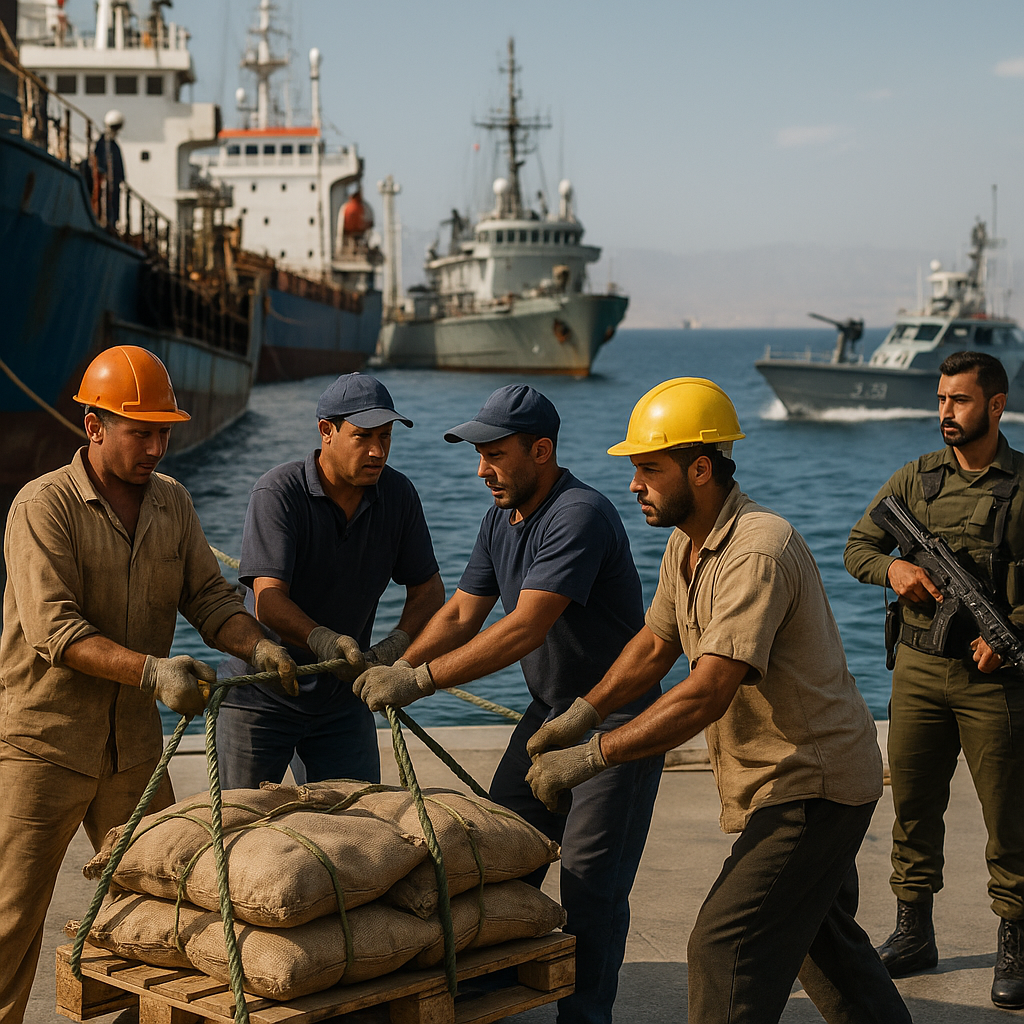
The blackout has forced many businesses to halt operations, particularly in sectors heavily dependent on electricity such as manufacturing, communications, and service industries. Employees across the island are facing uncertainty as many workplaces remain closed or operate under limited capacity.
Local business leaders and workforce management experts emphasize that such disruptions underscore the critical need for contingency planning and investment in power infrastructure. Essential services, including hospitals and emergency responders, have activated backup systems, but concerns remain regarding long-term impacts if the outage continues.
Infrastructure Vulnerabilities and Workforce Adaptation
This incident reveals vulnerabilities in the island’s energy grid, affected by aging infrastructure and recent climate-related stresses. The situation calls for immediate attention to upgrade facilities, diversify energy sources, and incorporate more sustainable solutions.
Meanwhile, the workforce is adapting by leveraging remote work arrangements where connectivity allows, and by adopting flexible schedules to accommodate power fluctuations. Training programs to enhance digital skills and crisis response are being accelerated to support operational resilience.
Strategic Responses and Future Outlook
Authorities and private sector leaders are collaborating to restore power and minimize disruption. There is increasing advocacy for public-private partnerships aimed at modernizing the power grid and investing in renewable energy technologies to reduce reliance on vulnerable centralized systems.
The workforce sector is also exploring innovative strategies such as decentralized energy solutions, workforce upskilling, and improved communication channels to better prepare for future emergencies.
- Critical need for infrastructure modernization and diversification
- Importance of workforce flexibility and remote capabilities
- Acceleration of digital and crisis management training programs
- Collaboration between government and private sectors to restore and improve energy systems
- Focus on sustainable and resilient energy solutions for long-term stability
Conclusion
This power outage acts as a wake-up call for Caribbean island stakeholders to reinforce infrastructure resilience and enhance workforce adaptability. As disruptions become more frequent due to environmental and systemic factors, integrating innovative energy solutions and developing a robust, flexible workforce will be key to safeguarding economic stability and community well-being on the island.








No comments yet. Be the first!