
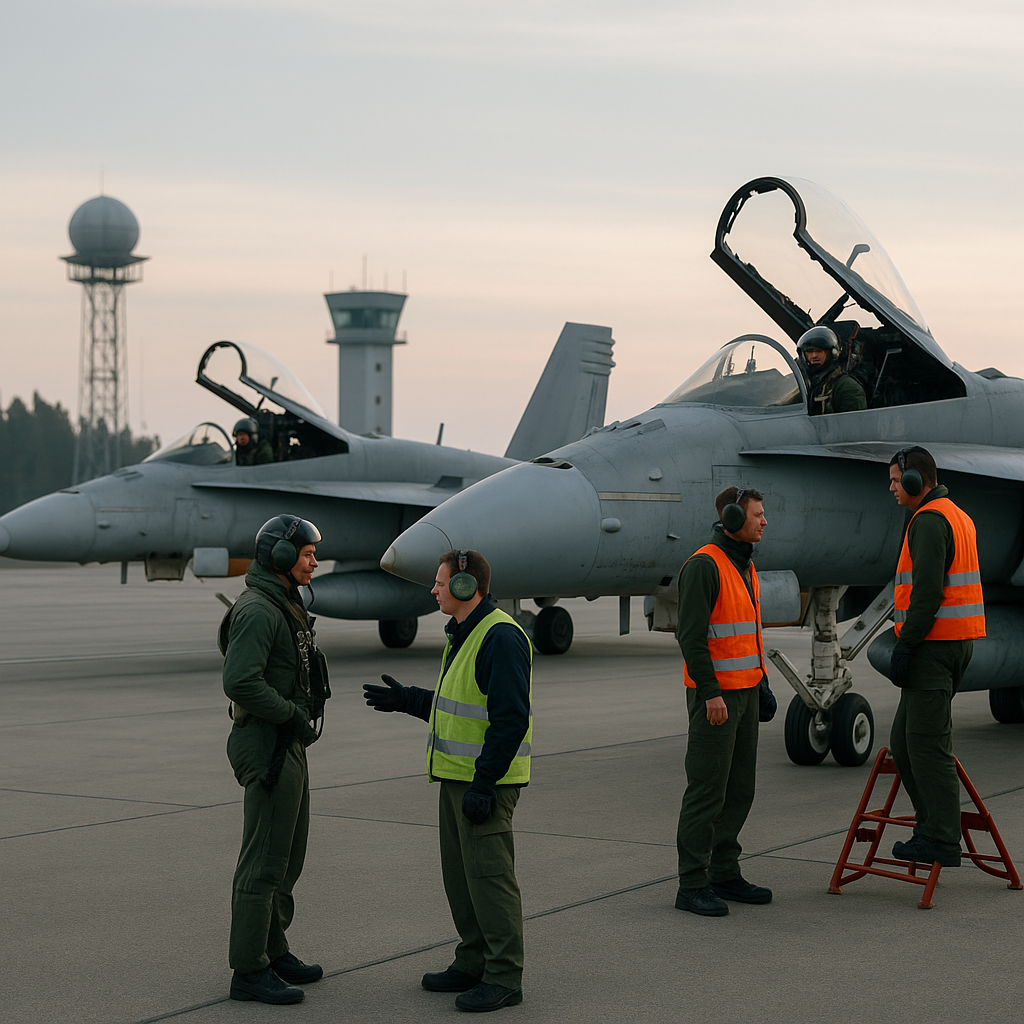
On September 28, 2026, Finland and Sweden conducted a joint scramble of fighter jets in response to incursions by Russian supersonic aircraft near their shared airspace. This event marked a historic first for the two nations and represents a significant evolution in multinational air defense collaboration within the NATO alliance.
Operational Coordination and Workforce Synergy
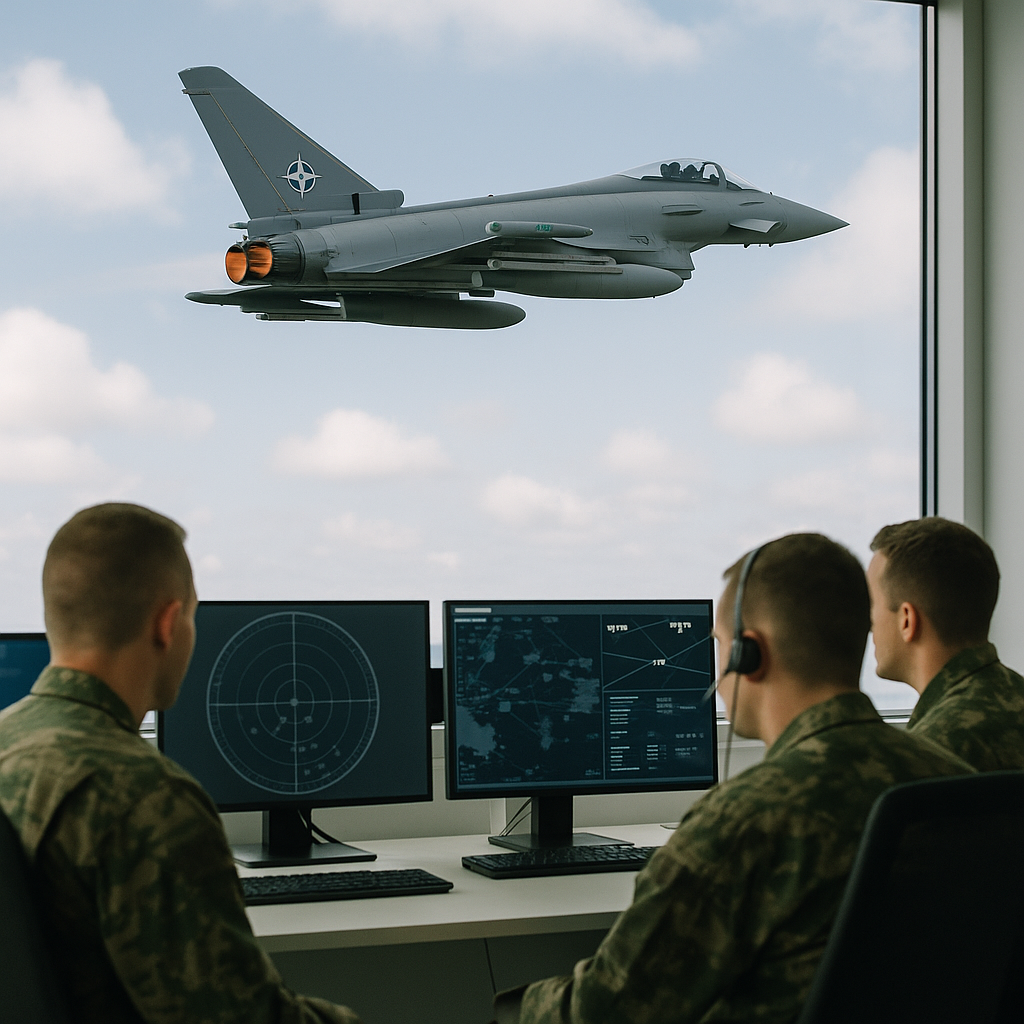
This joint air operation underscores a milestone in workforce interoperability among NATO allies, emphasizing seamless coordination between the Finnish and Swedish air forces. The rapid mobilization of fighter jets required meticulous integration of air traffic control, combat readiness, and tactical communication teams operating in real time under heightened pressure.
According to defense analysts, such cross-border military cooperation not only enhances regional security but also reflects a growing trend towards shared responsibility in airspace monitoring, demand for advanced skill sets among pilots and support personnel, and streamlined decision-making processes grounded in multinational protocols.
Technological Adaptation and Training
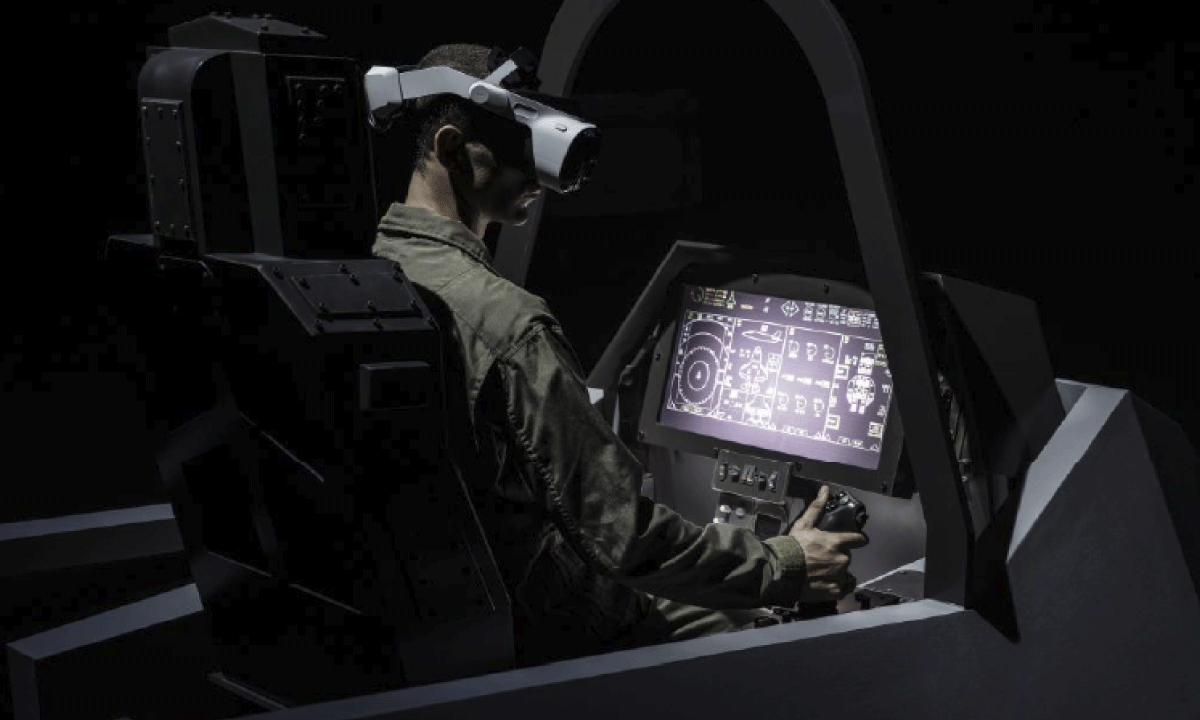
The deployment involved state-of-the-art supersonic aircraft capable of high-speed interception missions, challenging pilots and ground crews to maintain peak performance in dynamic, high-stakes environments. Both Finland and Sweden have invested heavily in modernizing their fighter jet fleets and enhancing joint training exercises, which directly contribute to workforce readiness and operational excellence.
Key challenges for the involved personnel include:
- Synchronizing cross-national communication systems for instantaneous tactical responses.
- Managing fatigue and stress in high-tempo sortie operations.
- Adapting to evolving threat profiles posed by advanced Russian aviation tactics.
Implications for NATO and Future Workforce Developments
The Finnish-Swedish joint scramble sets a precedent encouraging deeper integration among NATO air defense units, emphasizing the human element behind cutting-edge military technology. It highlights the necessity for continued investment in:
- Joint multinational training programs to enhance operational cohesion.
- Retention strategies for highly specialized aviation personnel.
- Development of flexible workforce structures capable of rapid deployment under escalating geopolitical pressures.
Furthermore, the event signals a shift in workforce strategies within allied defense sectors, where agility and interdependence are becoming essential competencies in facing increasingly complex security challenges.
Conclusion
This historic joint fighter jet scramble between Finland and Sweden represents more than a military tactical response; it epitomizes an advanced model of workforce collaboration among NATO allies in the air defense domain. As geopolitical dynamics continue to evolve, the emphasis on shared expertise, rapid communication, and adaptive training will be pivotal in sustaining effective multinational defense operations.









No comments yet. Be the first!