
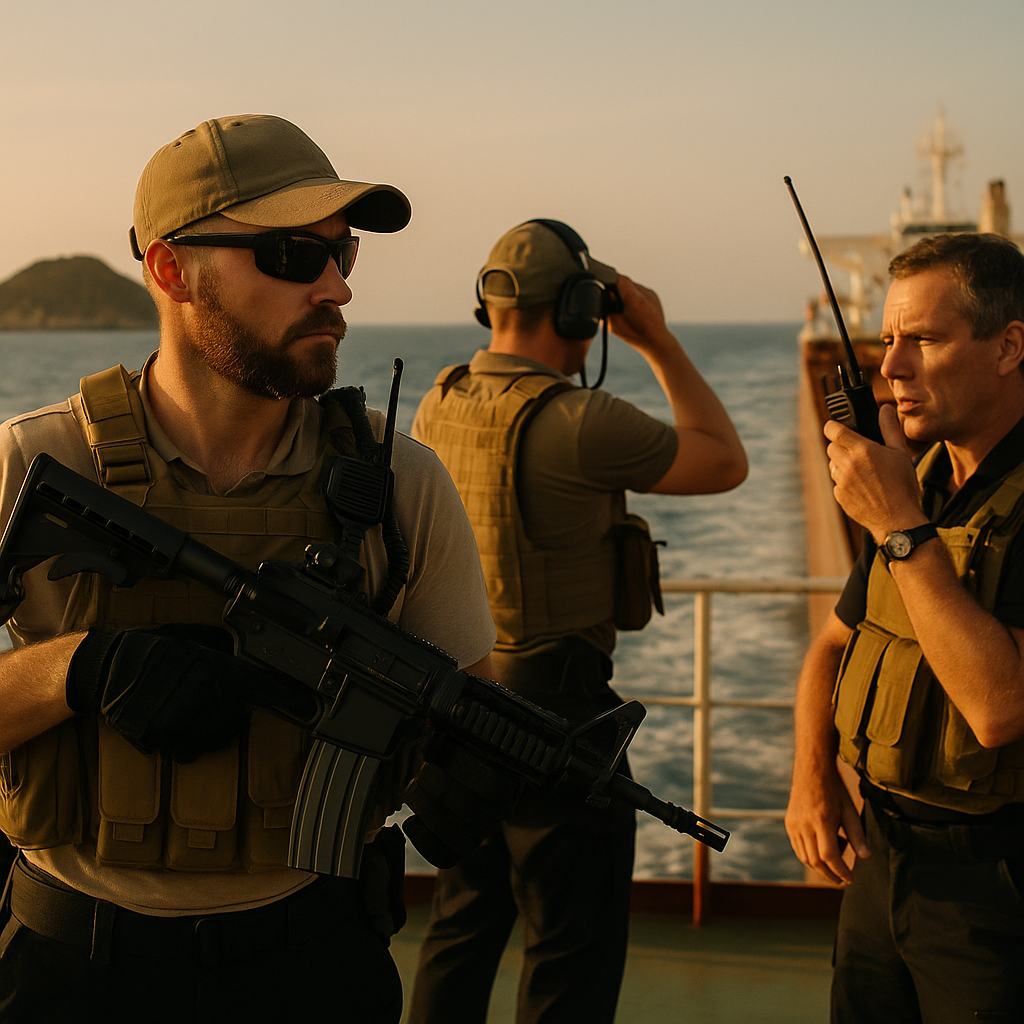
On September 13, 2026, the capture of a critical maritime location in the Red Sea by Houthi forces has introduced a significant strategic challenge impacting the global workforce associated with maritime security and international logistics. The event, originally highlighted for its military implications, requires thorough analysis from a workforce and operational security perspective.
Geostrategic Context and Workforce Implications
The seized island acts as a logistical choke point in one of the world’s most vital maritime corridors, through which a substantial portion of global trade is facilitated. This development has immediately necessitated reassessments by shipping companies, maritime security firms, and international logistics providers regarding the safety and reliability of their operations in the region.
The occupation introduces new operational hazards that directly impact personnel assigned to maritime security, navigation, and logistics management. Consequently, companies are required to adapt workforce deployment, enhance training for risk mitigation, and possibly reroute shipping lanes to ensure personnel security and supply chain continuity.
Challenges for the Maritime Workforce
- Security Risk Management: Personnel involved in maritime security and logistics must now operate under heightened risk conditions, requiring augmented protocols and contingency planning.
- Operational Flexibility: The uncertainty surrounding territorial control in the Red Sea necessitates agile workforce strategies, including rapid deployment capabilities and cross-training.
- Psychological Impact and Retention: Increased risk exposure affects crew morale and retention rates, demanding improved support systems and incentive structures.
Organizational Responses in the Global Workforce Sphere
International corporations with assets traversing this corridor are revising their workforce strategies by:
- Implementing enhanced security training focused on conflict zones and emergent operational threats.
- Investing in technology for remote monitoring and real-time intelligence to better protect their personnel and assets.
- Adjusting talent acquisition to prioritize resilience, adaptability, and crisis management competencies.
These strategic adaptations illustrate a broader trend across global industries where geopolitical events increasingly dictate workforce dynamics and operational frameworks.
Technological Integration and Workforce Evolution
Advancements in maritime surveillance technology, including satellite tracking, drones, and AI-driven risk assessment tools, are becoming essential elements of workforce management. These tools support personnel on the ground and at sea by providing situational awareness and predictive analytics, enabling proactive decision-making that minimizes risks.
Workforce roles are evolving accordingly, with increased demand for technologically skilled operators capable of interpreting complex data streams and coordinating with multinational security partners.
Conclusion
The seizure of the strategic island in the Red Sea underscores the intricate link between geopolitical events and the global workforce in sectors reliant on secure and uninterrupted maritime routes. Companies are pressed to innovate workforce deployment, enhance security measures, and leverage technology to maintain operational resilience in an increasingly volatile environment.
As the situation develops, stakeholders will need to continuously monitor and adapt their workforce strategies to safeguard their human capital and uphold the integrity of global trade networks.








No comments yet. Be the first!