
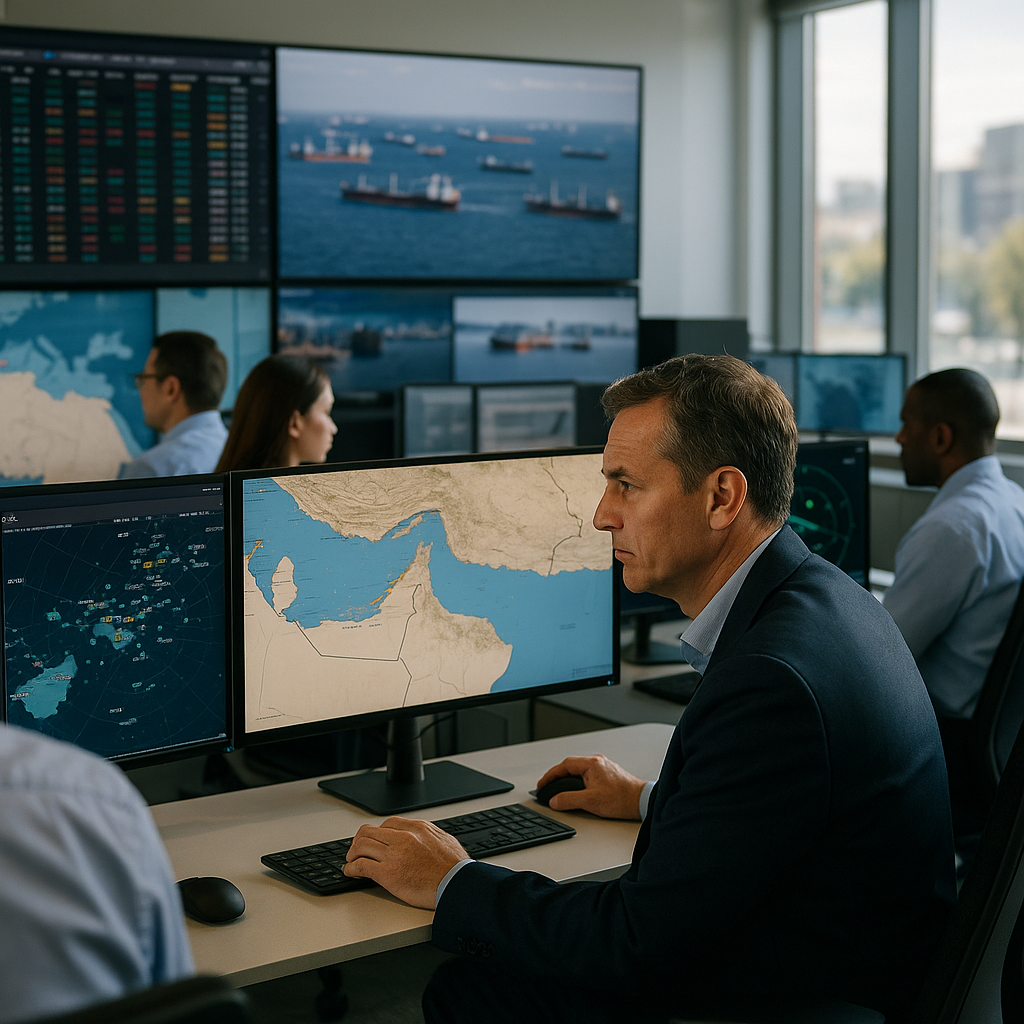
On September 3, 2026, rising military confrontations in the Strait of Hormuz have initiated substantial ripple effects across global workforce paradigms, particularly within sectors dependent on maritime logistics, energy supplies, and international trade operations.
Geopolitical Tensions and Workforce Security
The intensification of hostilities involving key Middle Eastern actors has raised the stakes for companies and governments whose workforces operate in or around highly sensitive zones. Organizations must now navigate an increasingly complex security landscape that affects employee safety, operational continuity, and talent retention.
Security protocols have seen immediate enhancements to address the volatile environment, including:
- Heightened employee risk assessments and real-time crisis response strategies.
- Implementation of remote monitoring and increased reliance on technology to minimize on-site personnel exposure.
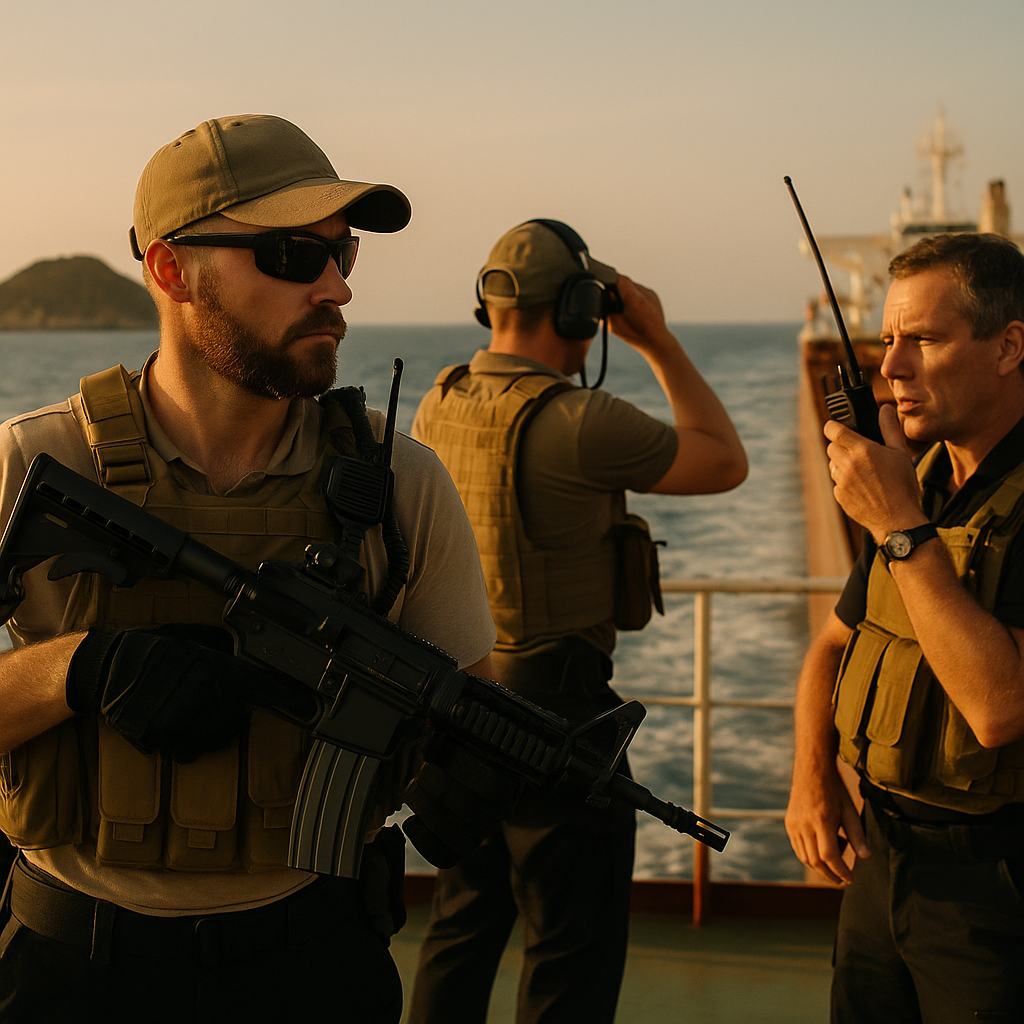
- Stronger collaboration between private sector security teams and national defense bodies to protect critical infrastructure and personnel.
Impact on Supply Chain and Workforce Deployment
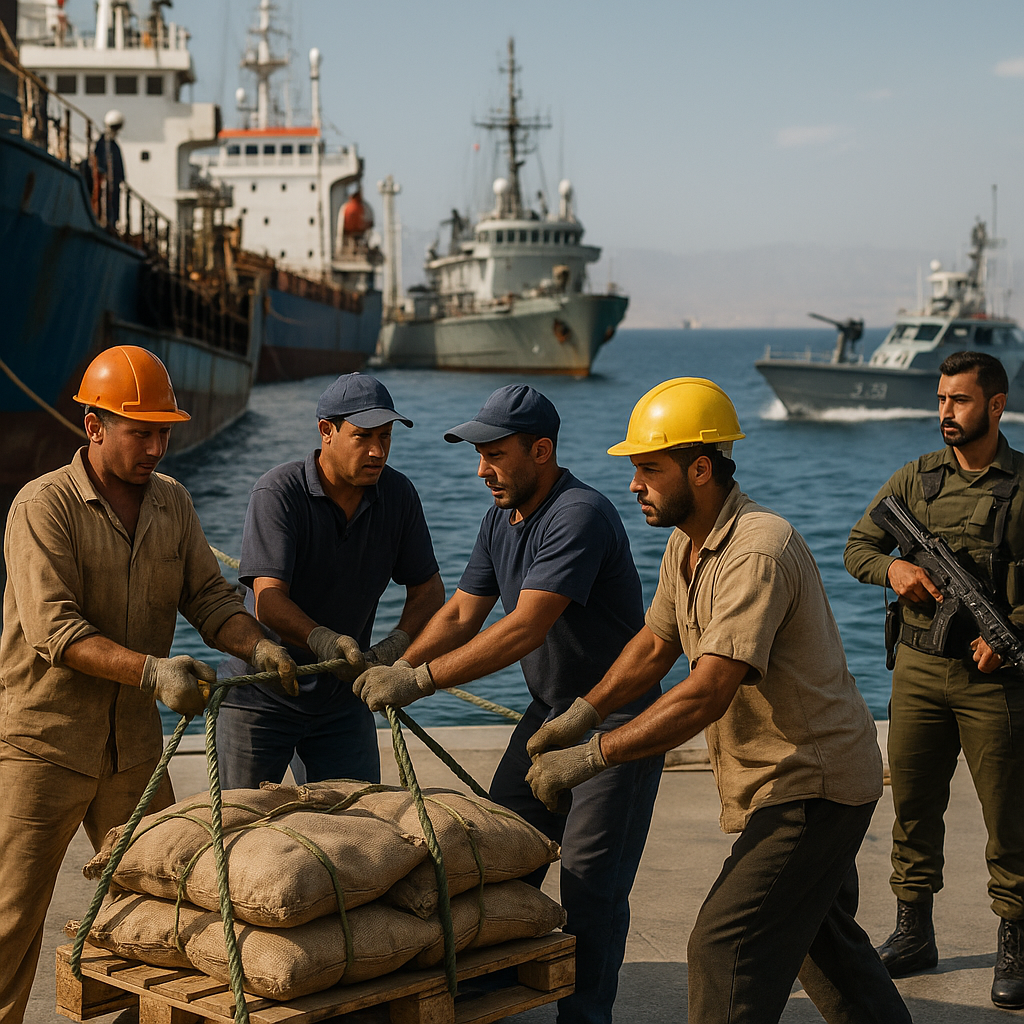
The Strait of Hormuz, a vital chokepoint through which a significant portion of global energy supplies and goods transit, has witnessed disruptions translating into broader challenges for workforce management worldwide. Delays and uncertainties compel companies to rethink logistical models and workforce allocation, including:
- Flexible scheduling and contingent labor strategies to mitigate supply chain shocks.
- Cross-border workforce coordination to maintain flow of critical services and infrastructure operations.
- Investments in workforce training focused on crisis management and adaptability to fluctuating geopolitical scenarios.
Technological Integration and Future Workforce Trends
The situation in the region accelerates the adoption of technology-driven workforce solutions designed to lower human exposure to risk while ensuring operational continuity. Remote operations, automation, and AI-enhanced decision-making systems are becoming integral in high-risk environments, enabling:
- Reduction of on-ground workforce dependency through remote control of maritime and energy operations.
- Enhanced data analytics for predictive workforce planning and dynamic resource allocation.
- Strengthening digital security frameworks to protect sensitive workforce and operational data.
International Collaboration and Workforce Resilience
Responses to geopolitical instability underline the importance of international partnerships in workforce security and economic resilience. Multinational organizations and governments are increasingly aligning policies to safeguard workers and sustain critical industries, focusing on:
- Joint training programs to harmonize crisis response standards across borders.
- Shared intelligence frameworks to anticipate emerging risks impacting worker safety and supply chains.
- Promoting workforce adaptability through continuous learning and skills diversification initiatives.








No comments yet. Be the first!