
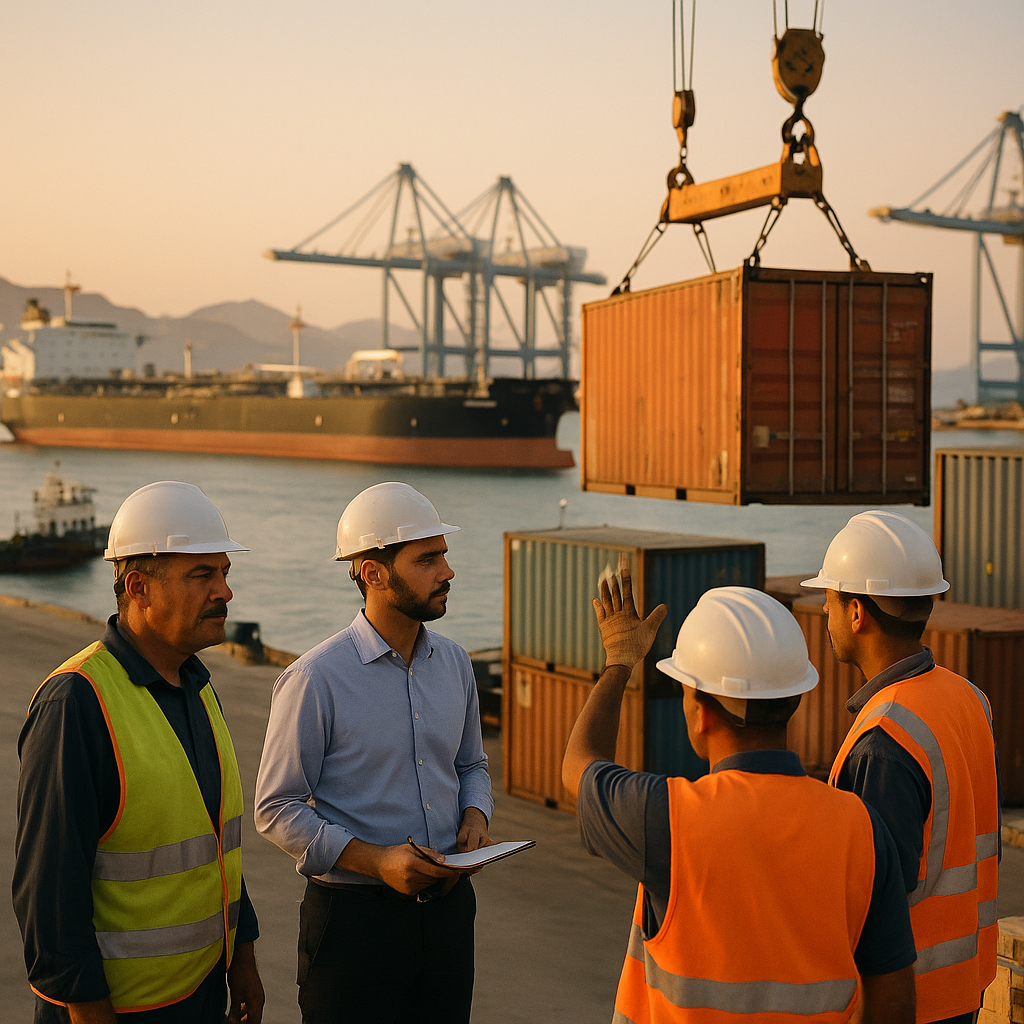
On August 8, 2026, escalating warnings from key Gulf allies regarding Iran's potential use of the Strait of Hormuz as a geopolitical bargaining chip have spotlighted significant concerns for the global workforce, particularly in logistics, energy, and maritime industries. This narrow waterway remains crucial for approximately one-fifth of the world’s oil trade, anchoring critical supply chains that rely heavily on uninterrupted maritime passage.
Workforce Challenges Amid Strategic Maritime Tensions
The Strait of Hormuz serves as an indispensable artery connecting energy producers in the Gulf to global markets. Any disruption here poses complex risks not only to commodity prices but to employment stability and labor dynamics across multiple sectors. Companies dependent on crude oil and liquefied natural gas transport face the challenge of safeguarding their supply routes while anticipating workforce recalibrations to meet emergent operational demands.
Maritime crews, port workers, and logistics coordinators now confront heightened operational volatility. The need for increased security measures and alternative routing strategies translates into expanded roles and skill requirements, potentially reshaping recruitment and training priorities for employers within and beyond the region.
Corporate Adaptation and Workforce Resilience
Global firms are responding by intensifying strategic workforce planning, focusing on agility and specialized skill development. Key approaches include:
- Investing in cross-border collaborations to diversify shipping routes and minimize dependency on single chokepoints.
- Enhancing remote monitoring and automation technologies to reduce on-site personnel risks while maintaining operational integrity.
- Upskilling maritime and logistics workforces in crisis management, cybersecurity, and geopolitical risk awareness.
- Implementing agile workforce solutions that allow rapid redeployment of personnel in anticipation of supply chain shifts.
Impact on Energy Sector Employment
As nations and companies brace for prolonged uncertainty in the Gulf region, the workforce in the energy sector—including offshore oil rigs, refining plants, and transportation logistics—faces evolving demands. Balancing enhanced security protocols with operational efficiency requires a workforce both adaptable and highly skilled in navigating complex risk environments.
The evolving geo-economic context also intensifies the urgency for sustainable workforce models that support mental health and safety in high-stress operational theaters. Organizations are increasingly recognizing these imperatives as essential to maintaining productivity and safeguarding employee welfare amid global tensions.
Future Outlook for Global Workforce Strategy
The strategic significance of the Strait of Hormuz underscores the broader imperative for global enterprises to develop resilient workforce architectures capable of withstanding geopolitical disruptions. This includes fostering diverse talent pipelines, investing in continuous learning programs, and leveraging technology to create dynamic operational frameworks.
Workforce leaders are therefore called upon to integrate geopolitical intelligence into human capital strategies, positioning their organizations not only to survive but thrive in an environment of uncertainty and rapid change.
Conclusion
The latest developments around the Strait of Hormuz highlight critical intersections between geopolitics and workforce management. As global supply chains remain vulnerable to maritime disruptions, businesses must recalibrate their labor strategies to emphasize resilience, adaptability, and technological integration. The future workforce will necessitate a hybrid of traditional expertise and innovative capabilities to navigate the complexities of an unpredictable geopolitical landscape.










No comments yet. Be the first!