
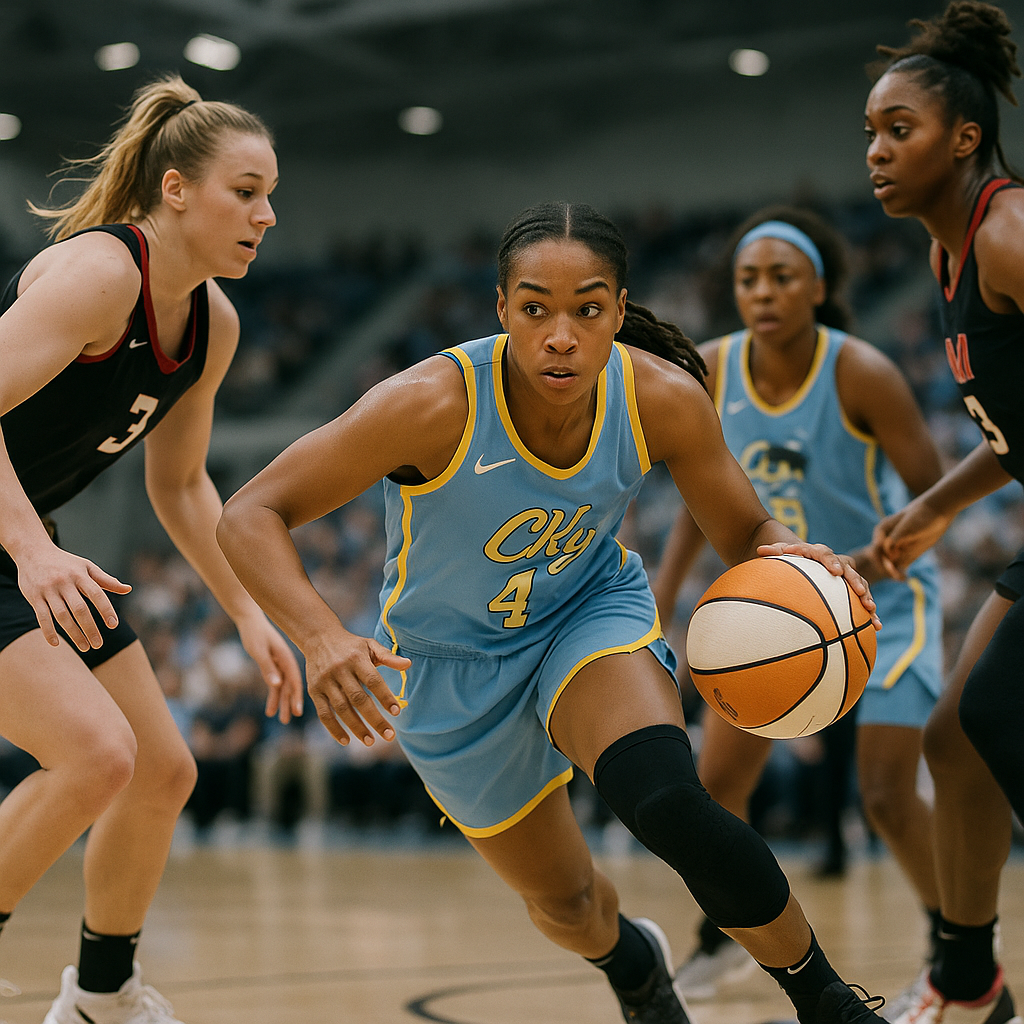
On August 8, 2026, the Women’s National Basketball Association (WNBA) finds itself navigating complex challenges related to athlete conduct, organizational accountability, and the implications of social media activity within its professional workforce. The situation emerged after Chicago Sky guard Carrington posted a provocative message referencing “white privilege” during a game against the Indiana Fever, catalyzing immediate responses from stakeholders across the league and beyond.
Context and Incident Overview
The post by Carrington captured significant attention due to its timing and content, being shared live amid a competitive environment. The league’s administration now faces the task of balancing freedom of expression with the expectations of professionalism and unity in a globally visible sports organization.
This development emphasizes the evolving role of athletes not just as players but as influential figures whose social and political statements can impact brand reputation, team dynamics, and fan engagement.
Implications for Workforce Management in Professional Sports
The incident raises multifaceted considerations for managing a diverse global workforce within the sports industry. Key areas impacted include:
- Organizational Disciplinary Frameworks: Establishing clear protocols to address player conduct on social media while respecting personal expression.
- Cultural Competency and Sensitivity Training: Enhancing awareness among players and staff to navigate sensitive topics that may affect team cohesion and public perception.
- Reputation Risk Management: Proactively integrating communication guidelines that align with league values and stakeholder expectations.
Challenges in Enforcing Discipline Across a High-Profile Workforce
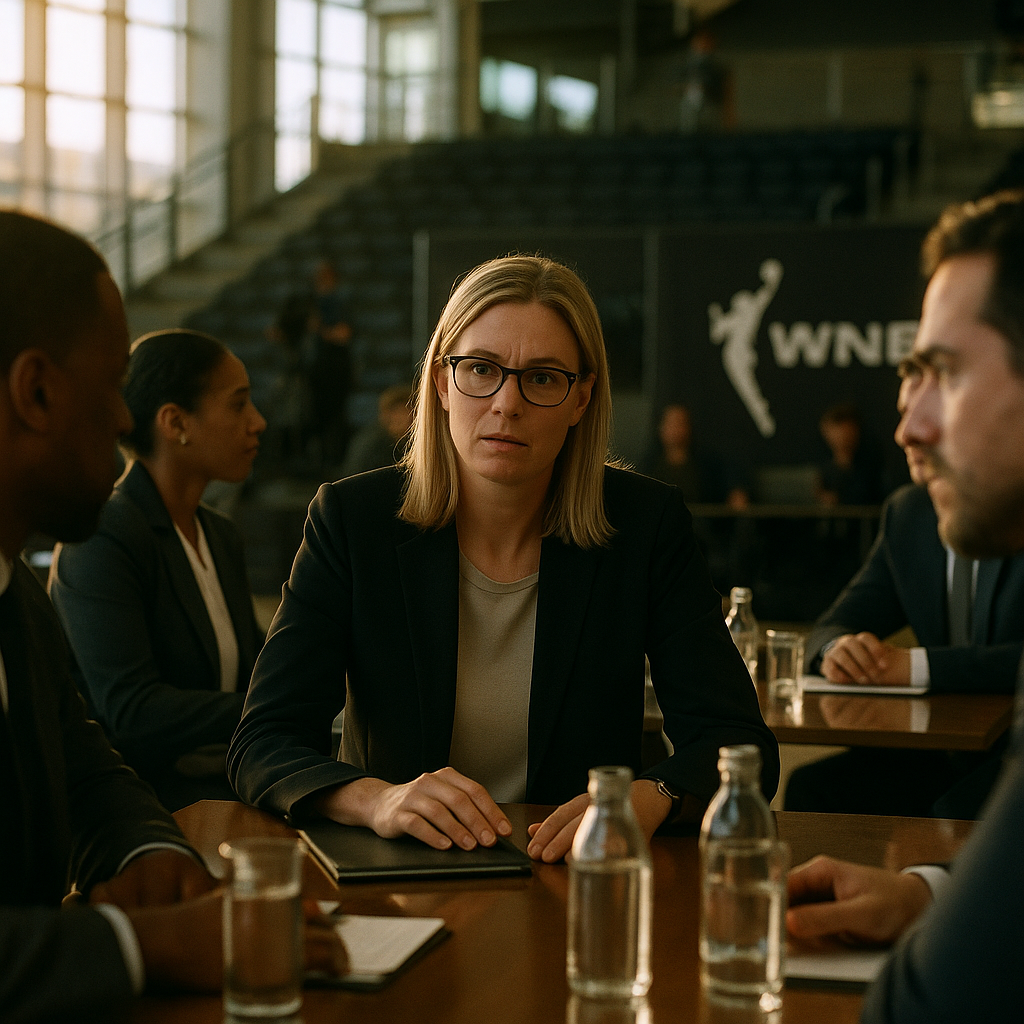
The WNBA leadership confronts the delicate balance of enforcing discipline without alienating players or undermining their voice within societal conversations. This scenario underscores how professional sports entities must adapt governance mechanisms to the realities of instant communication and complex cultural dialogues.
Furthermore, the incident acts as a case study for other global sports leagues in managing internal policies amid increasing scrutiny over athlete activism and public statements on divisive issues.
Broader Impact on Athlete-Employer Relations
Professional sports leagues are unique work environments where the personal brand of players directly influences organizational value. The WNBA’s response will likely set precedents regarding:
- Defining the boundaries between personal expression and professional responsibility.
- Implementing comprehensive training programs addressing conduct and communication in digital spaces.
- Strengthening support systems for players to engage constructively in social issues while aligning with league standards.
Conclusion
The WNBA's current disciplinary dilemma highlights essential considerations for workforce management in the context of professional sports. As athletes continue to utilize digital platforms to express social viewpoints, organizations must evolve their policies to foster inclusive yet responsible communication frameworks.
This incident serves as a pivotal moment for the league, underscoring the need for strategic leadership in aligning athlete conduct with overarching organizational goals in a globally interconnected sports environment.












No comments yet. Be the first!