

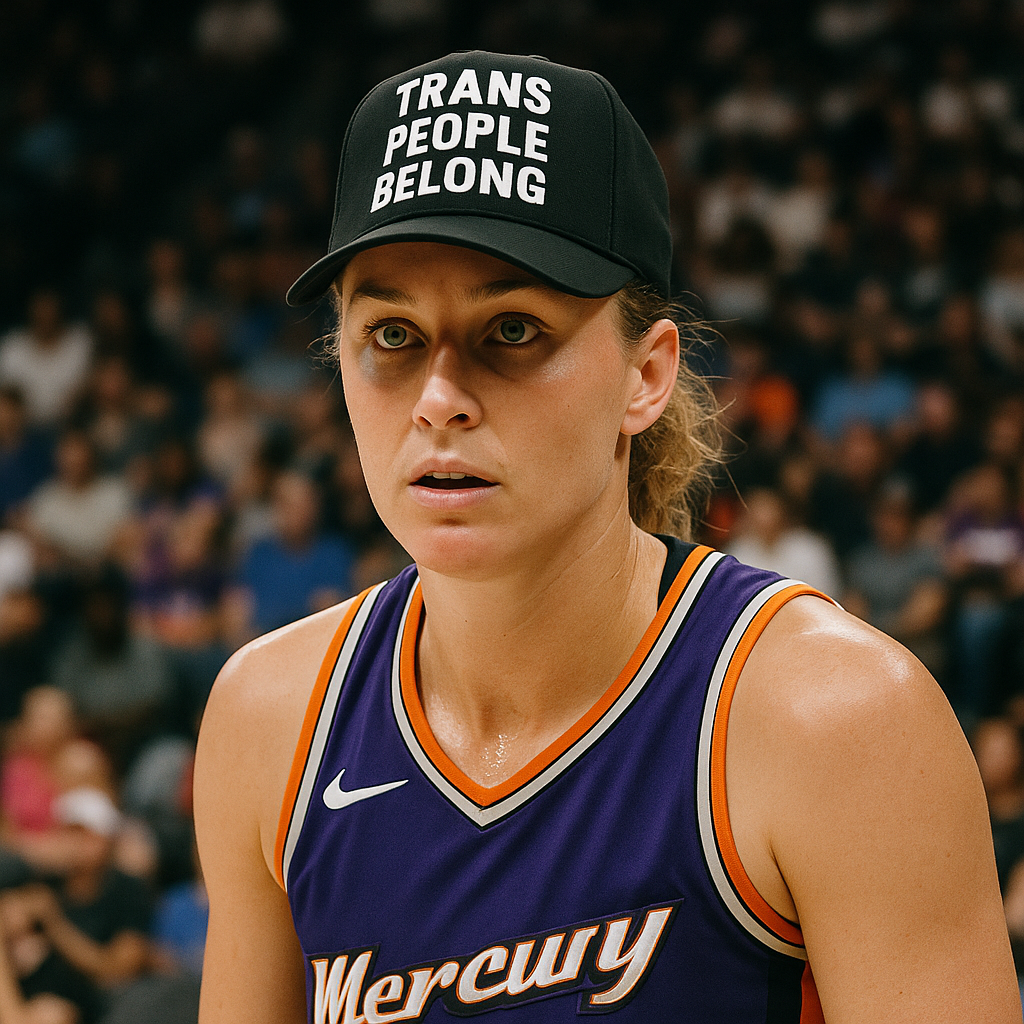
In a striking episode during the 2026 WNBA Finals held on October 16, both the Atlanta Dream and the Las Vegas Aces paused their game-day routines by briefly leaving the court during the playing of the national anthem, only to return seconds later. Far from a simple protest, this coordinated movement reflects a deeper shift in how professional athletes are actively shaping workplace culture and broader societal conversations.
Athlete Activism Meets Workforce Dynamics
The synchronized action by the athletes symbolizes a growing trend where sports professionals leverage their platforms to influence values such as inclusivity, social justice, and equality—core themes increasingly adopted by global corporations and organizations. This phenomenon parallels evolving human resource strategies emphasizing employee empowerment and corporate social responsibility (CSR).
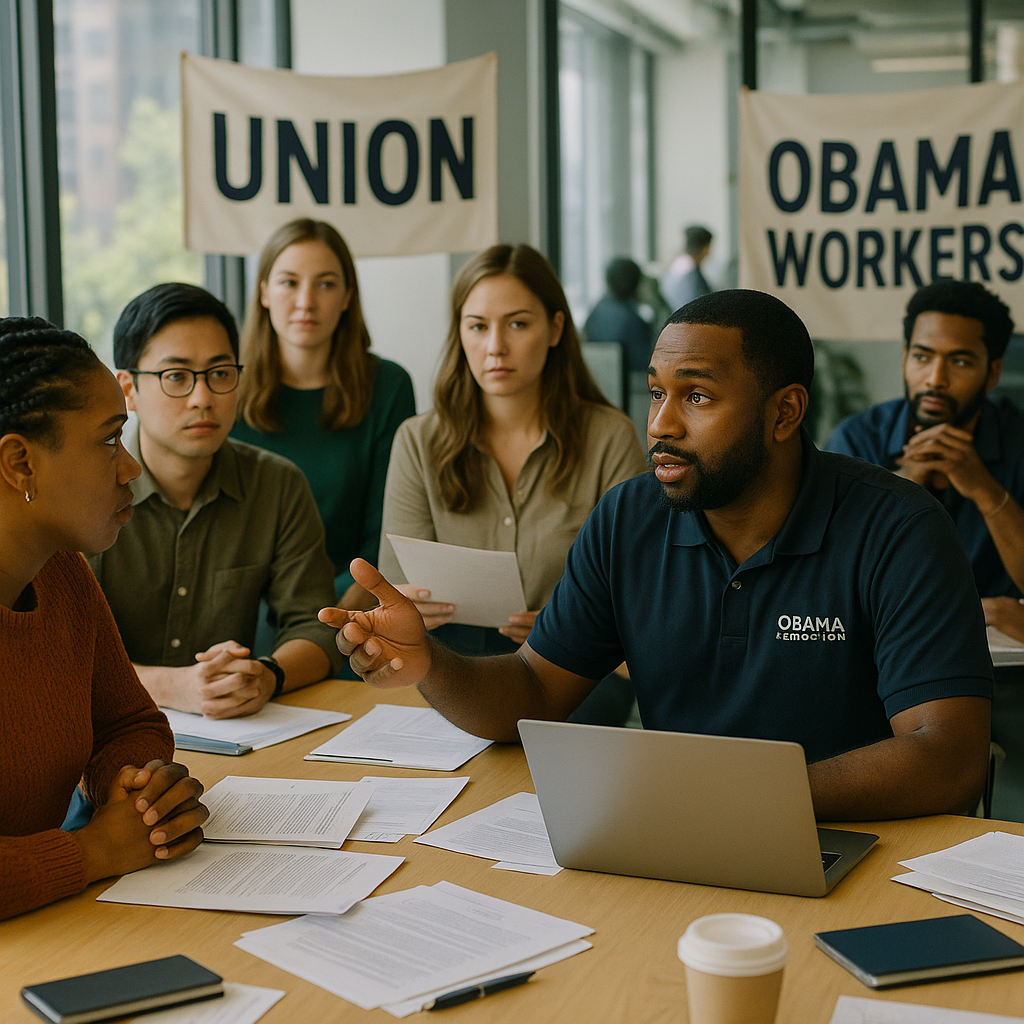
For global businesses, this moment highlights the importance of recognizing that workforce dynamics extend beyond internal policies into the larger societal context. Employees, much like athletes on public stages, are increasingly conscious of the societal impact of their organizations and demand authentic alignment between corporate values and action.
Implications for Employer Branding and Talent Retention
The involvement of high-profile sports figures in activism is a signal to enterprises about the rising expectations among workers for meaningful engagement with social issues. Contemporary talent, especially within younger generations, seeks employers who demonstrate commitment to causes beyond profits.
- Brand authenticity: Corporations adopting transparent and genuine positions on social matters attract stronger workforce loyalty.
- Employee engagement: Inclusive workplace cultures that mirror societal diversity enhance productivity and job satisfaction.
- Reputation management: Aligning with values expressed by public figures helps companies maintain positive public perception.
Challenges in Balancing Activism and Business Objectives
While athlete activism inspires societal progress, organizations face challenges in integrating activism into corporate frameworks without alienating stakeholders or diluting business goals. Companies must navigate:
- The diversity of employee viewpoints regarding social issues.
- The need to maintain cohesive internal culture amidst varying external pressures.
- Ensuring that CSR initiatives translate into measurable workplace improvements.
Future Outlook: Integrating Social Values into the Global Workforce
The moment from the WNBA Finals serves as a microcosm of a broader transformation shaping the future of work. Workers and leaders alike recognize the value of collective movements that advance social progress within and beyond their professional environments.
As this evolution continues, organizations that strategically incorporate social consciousness into talent management and corporate culture will likely lead in employee satisfaction and competitive advantage.










No comments yet. Be the first!