
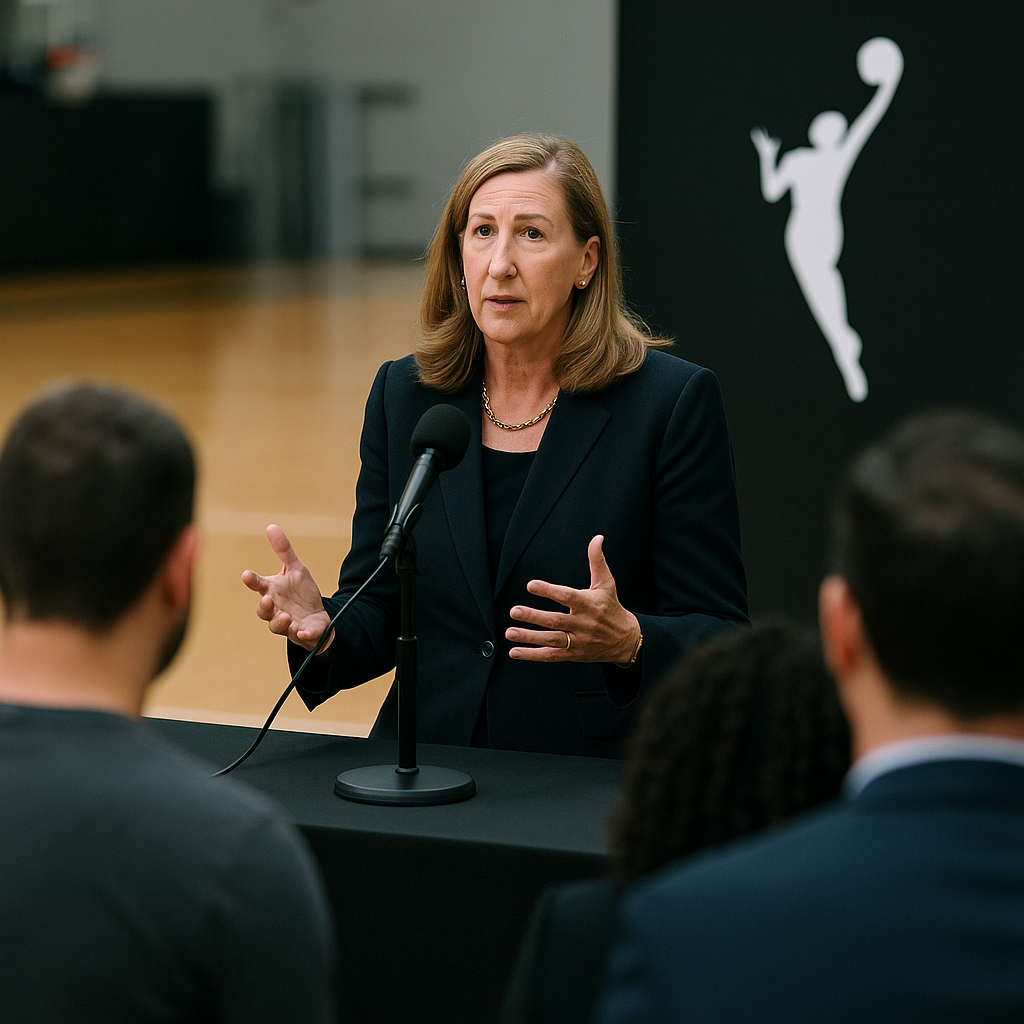
August 9, 2026 marks a significant moment for the Women's National Basketball Association (WNBA) as Commissioner Cathy Engelbert publicly outlines the league’s approach toward workforce inclusion and diversity in response to recent announcements by former NBA players about their intentions to participate in draft processes. This communication, positioned within a broader conversation on inclusion practices, reflects critical considerations for organizational policies in sports-sector workforce management.
Contextualizing Inclusion in Professional Sports Workforce
With the evolving dynamics of professional sports leagues worldwide, leaders like Engelbert are increasingly tasked with balancing competitive integrity with inclusive workforce strategies. The WNBA’s memo arrives amid renewed discussions about gender identity and participation eligibility in professional basketball, especially after former male NBA athletes publicly revealed plans related to entry drafts traditionally reserved for women athletes.
The memo emphasizes the league’s commitment to fostering an environment where talent, regardless of background, can contribute meaningfully. From a workforce perspective, this represents a critical juncture in managing diversity, equity, and inclusion (DEI) policies that transcend traditional categorizations.
Implications for Workforce Management
Engelbert’s statement stresses the importance of clear guidelines to navigate complex identity and participation frameworks, which directly influence recruitment, talent acquisition, and retention strategies. Adapting human capital practices to respond to these developments involves:
- Implementing equitable recruitment policies that ensure fair evaluation of all athletes according to performance and league criteria.
- Developing training programs for staff and management to support inclusive workplace cultures.
- Engaging stakeholders in open dialogues to maintain transparency in decision-making processes.
- Balancing competitive dynamics with the overarching goal of inclusive workforce participation.
Challenges and Opportunities
The intersection of sports and workforce management in this context underscores several challenges and opportunities for leadership in sporting organizations:
- Regulatory complexity: Navigating evolving policies on gender and identity participation requires ongoing legal and ethical analysis.
- Cultural adaptation: Addressing team and fanbase perceptions while reinforcing inclusive values.
- Innovation in human resource policies: Creating new frameworks for equitable talent evaluation that could serve as benchmarks beyond sports.
- Enhanced brand reputation: Demonstrating leadership in DEI can improve organizational credibility and attract diverse talent pools.
Looking Ahead: Strategic Workforce Considerations
The WNBA’s proactive communication on inclusion issues signals a strategic awareness of the evolving talent landscape and a commitment to adapting workforce approaches accordingly. For organizations in global industries, especially those reliant on high-performance talent, embracing nuanced inclusion policies is paramount to sustaining competitive advantage and fostering innovation.
Ultimately, the intersection of sports and workforce diversity efforts as exemplified in the WNBA’s latest announcement serves as a case study for how leadership can effectively manage complex social variables while maintaining operational excellence.
Conclusion
As professional sports continue to intersect with broader societal discussions on inclusion and identity, administrators like Commissioner Engelbert demonstrate that thoughtful workforce strategies are critical. The WNBA’s approach offers a forward-looking template for integrating diversity and equitable participation into talent management, ensuring that excellence is achieved through inclusivity, adaptability, and ethical leadership.










No comments yet. Be the first!