
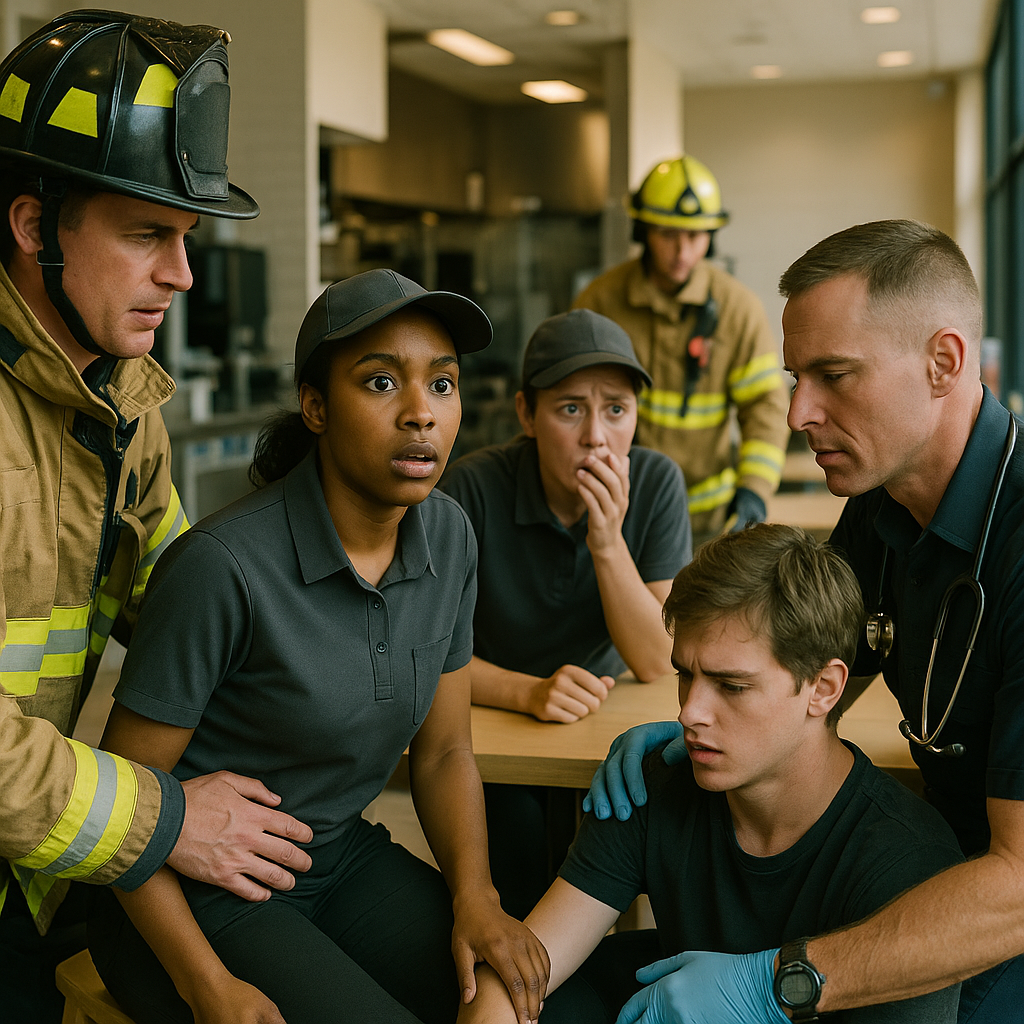
On August 1, 2026, an unexpected mass shooting at an In-N-Out restaurant in Idaho left several people dead and others injured, creating a chaotic and traumatic scene within the workplace. Beyond the immediate human toll, this incident raises pressing questions about workplace safety protocols, employee training, and crisis management in customer-centric industries.
Impact on Workforce Safety Protocols
The shooting exposed vulnerabilities in how businesses, especially in the fast-food sector, prepare for and respond to violent emergencies. Employees working in public-facing roles are often the first to face such crises, underscoring the necessity for comprehensive safety measures.
Key workforce safety considerations highlighted by this tragedy include:
- Emergency preparedness training: Regular drills and scenario planning tailored to active shooter situations.
- Communication systems: Efficient channels to alert employees and coordinate with law enforcement swiftly.
- Environmental design: Architectural features that may reduce risks or provide safe zones.
- Support mechanisms: Post-incident psychological support and resources for affected workers.
Challenges in Crisis Management for Customer Service Environments
Fast-food establishments present unique challenges during emergencies due to dense foot traffic, constrained physical spaces, and the need to simultaneously protect customers and staff. The Idaho incident underscores the importance of tailored crisis response plans that address these realities.
Implementing practical steps, such as controlled shelter-in-place procedures and staff roles defined during emergencies, can improve response effectiveness. Additionally, ongoing collaboration with local emergency responders is crucial to refine these strategies.
Corporate Responsibility and Employee Well-being
Organizations face mounting pressure to prioritize employee well-being beyond traditional workplace hazards, including mental health support for trauma survivors. Following this incident, corporations operating similar fast-paced workplaces may need to reassess their holistic approaches to employee health and safety.
This reassessment can involve integrating technology solutions, such as panic alert apps, and enhancing benefits that cover psychological counseling and recovery support.
Industry-wide Implications and Future Directions
The tragic event at the Idaho In-N-Out acts as a somber reminder for industries worldwide about the necessity to confront and mitigate risks associated with workplace violence. Lessons drawn can inform updated safety standards aimed at safeguarding employees and customers.
Businesses across the global workforce spectrum are encouraged to:
- Invest in advanced safety infrastructure and training programs.
- Foster organizational cultures that prioritize risk awareness and incident preparedness.
- Engage with governmental agencies to adopt best practices and compliance measures.
- Support continuous innovation in emergency response technologies.
Conclusion
The devastating shooting in Idaho’s In-N-Out highlights critical aspects of workplace safety and crisis response that demand urgent attention and action. As the nature of threats evolves, so too must the frameworks employed to protect the global workforce — ensuring that employees in all industries can work in secure and resilient environments.













No comments yet. Be the first!