
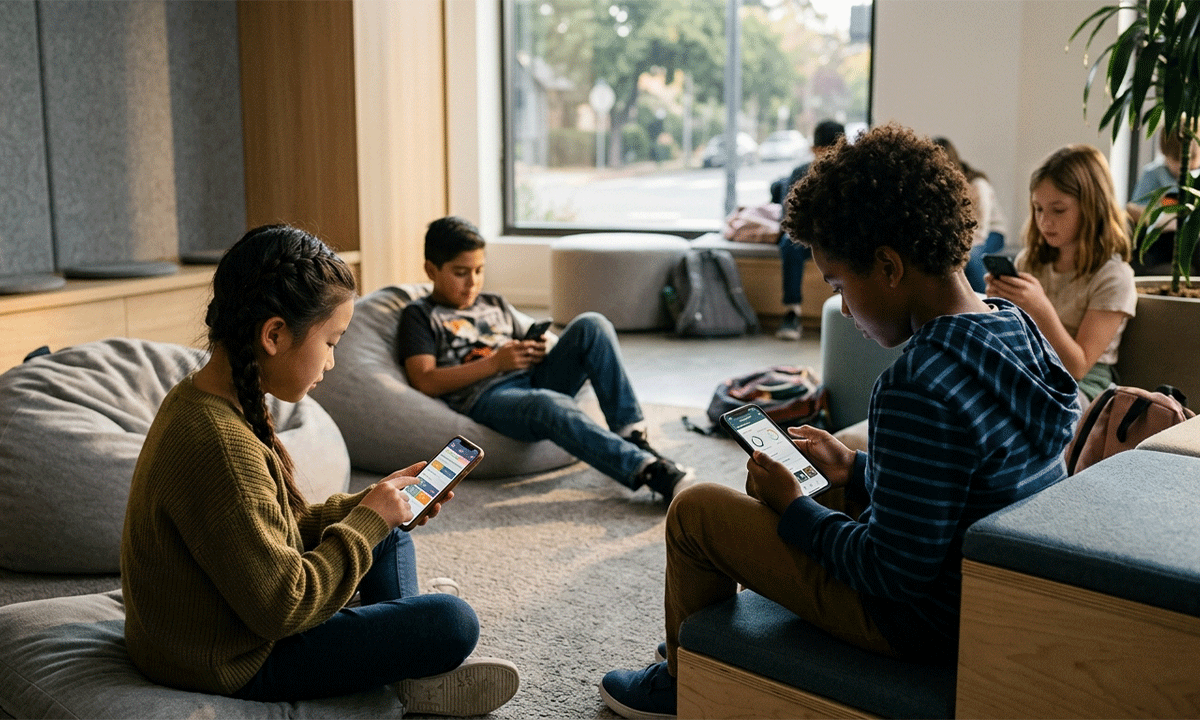
Mobile learning is no longer an extension of education systems
For years, mobile learning was treated as a secondary layer within education—useful for reinforcement, but not essential. That perception is rapidly changing. Students are increasingly using mobile platforms as primary learning environments, consuming educational content in shorter, more frequent sessions that fit into their daily routines.
This behavioral shift is significant because it challenges the traditional structure of higher education, which is still largely designed around fixed schedules, long-form instruction, and centralized delivery. Mobile learning introduces a distributed model where knowledge is accessed continuously rather than episodically.
New patterns of skill acquisition are emerging
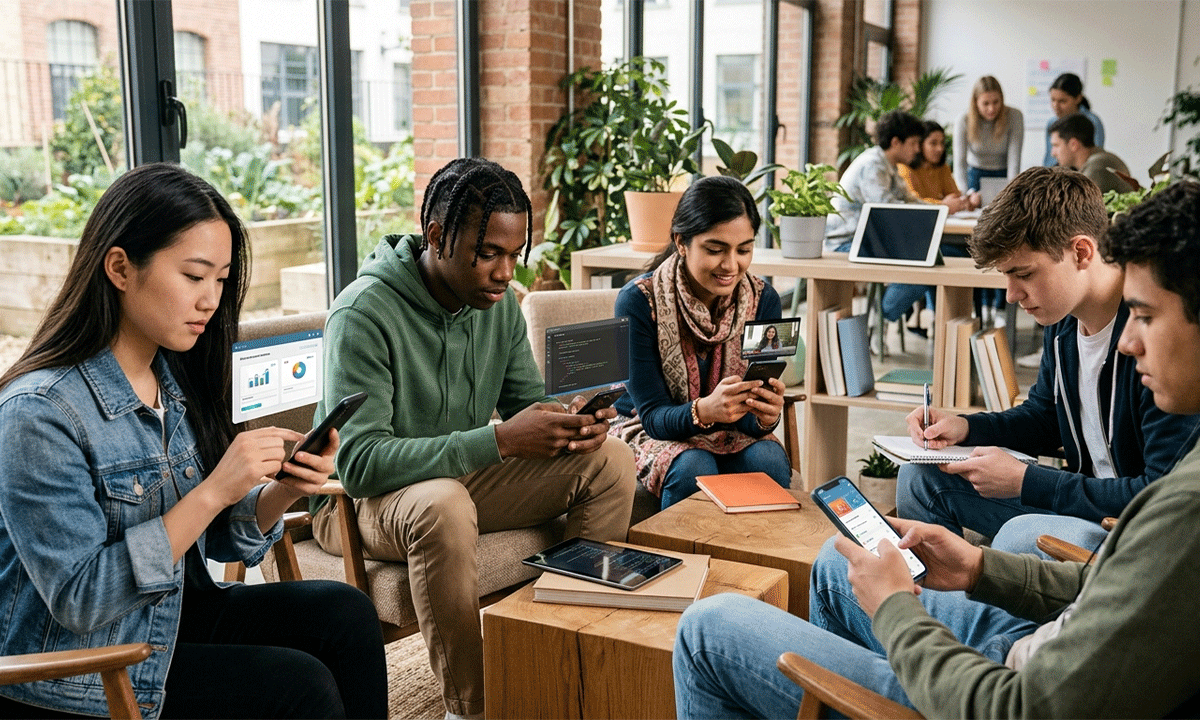
The rise of mobile learning is closely linked to how students are redefining skill acquisition. Instead of relying exclusively on structured programs, learners are building competencies through microlearning, app-based practice, and real-time feedback systems. This creates a more dynamic learning process that adapts to individual pace and context.
As a result, skills development is becoming more modular. Students are no longer waiting to complete full degrees to apply knowledge; they are integrating learning into ongoing activities, often combining formal education with informal digital tools. This hybrid approach is reshaping expectations around what it means to be “prepared” for the workforce.
Implications for universities and global education systems
Higher education institutions are now facing a structural challenge. If mobile learning becomes a dominant channel, universities must rethink not only delivery methods but also the role they play in the learning ecosystem. The value of a degree is increasingly tied to its ability to integrate with flexible, technology-driven learning experiences.
This does not imply that traditional education will disappear. Instead, it suggests a reconfiguration where institutions act as orchestrators of learning rather than sole providers. Partnerships with digital platforms, adaptive curricula, and continuous learning pathways are becoming essential components of this model.
From content delivery to continuous learning ecosystems
The long-term impact of mobile learning lies in its ability to transform education into an ongoing process. Students are not only learning differently; they are developing expectations for continuous access, immediate application, and personalized pathways. This creates pressure on institutions to move beyond static programs toward evolving learning ecosystems.
In this context, the institutions that remain relevant will be those that understand mobile learning not as a tool, but as a structural shift. Adapting to this change requires rethinking curriculum design, assessment models, and the relationship between formal education and independent learning.







No comments yet. Be the first!