
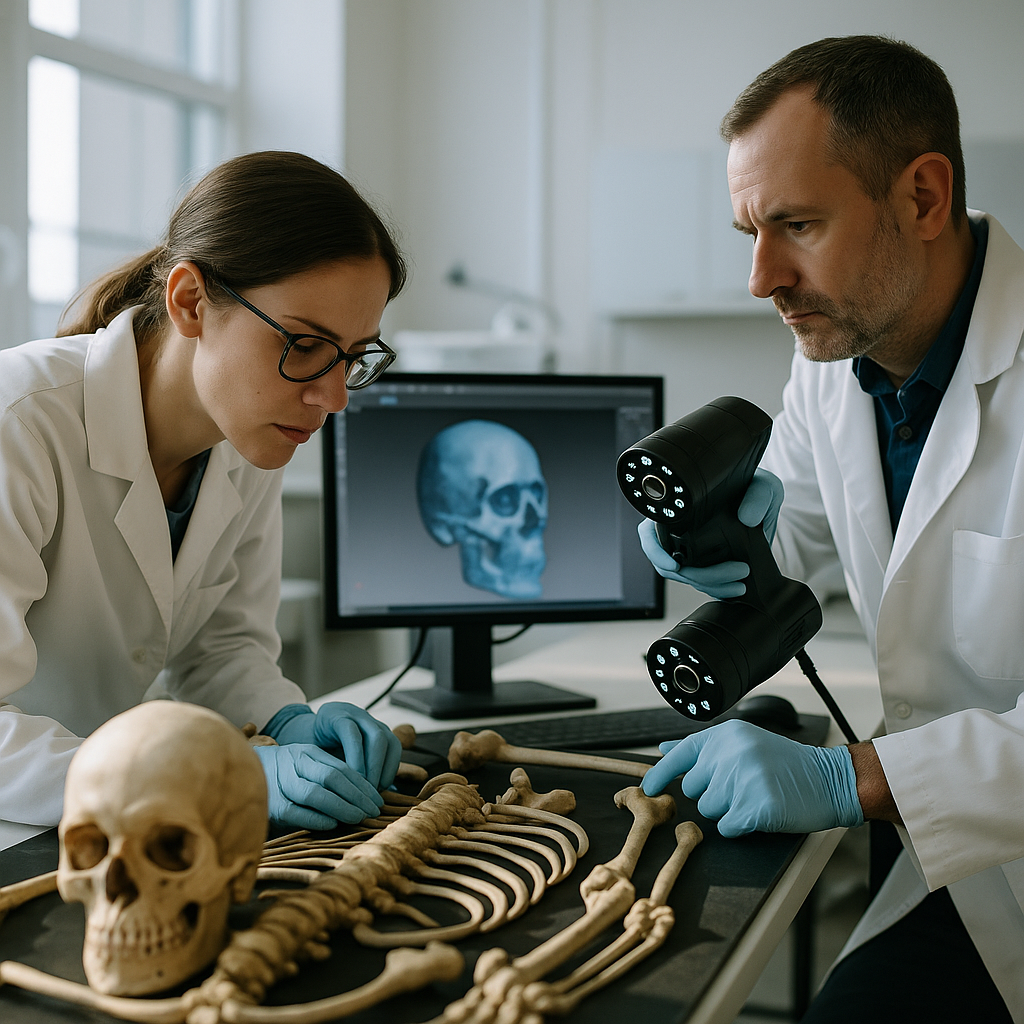
As of August 29, 2026, the Fox Hollow coroner's office reveals a staggering backlog of over 9,000 unexamined bones linked to the ongoing serial killer investigation. This situation has brought to light significant concerns about workforce capacity and resource allocation within forensic anthropology and related fields globally.
Workforce Capacity and Resource Constraints
The forensic teams working on the Fox Hollow case face intense pressure from the volume and complexity of remains requiring analysis. These challenges highlight a broader issue affecting forensic institutions worldwide: the shortage of adequately trained professionals capable of managing intricate and prolonged investigations.
Globally, forensic anthropology teams are grappling with:
- Insufficient staffing levels to match increasing caseloads and evidence complexity.
- Limited access to advanced technologies that can accelerate bone examination and identification.
- Funding constraints that hinder recruitment, training, and adoption of innovative forensic methodologies.
Technological Innovation and Training as Strategic Solutions
Addressing the bottleneck in forensic analyses necessitates integrating cutting-edge technology with workforce development initiatives. Emerging tools such as 3D imaging, AI-driven pattern recognition, and digital skeletal databases are becoming indispensable for expediting examinations and enhancing accuracy.
Equally critical is the investment in continuous professional development and specialization paths, ensuring forensic anthropologists are equipped to handle both the volume and scientific intricacy of modern cases.
Global Collaboration and Workforce Distribution
The Fox Hollow scenario underscores the importance of international cooperation in forensic science. Cross-border sharing of expertise, joint training programs, and collaborative research projects are vital to strengthen forensic workforce capabilities universally, preventing investigative stagnation and promoting knowledge exchange.
Efficiently addressing workforce challenges also requires equitable distribution of forensic professionals, particularly in regions where infrastructural or political factors have constrained the growth of these critical services.
Implications for Public Safety and Justice
Delays in forensic analyses, such as those experienced in Fox Hollow, can have profound impacts beyond the scientific community. Prolonged case resolution times affect victim families, delay judicial processes, and potentially hinder the prevention of further crimes.
Therefore, ensuring a robust, well-supported forensic workforce is not only a matter of scientific necessity but also a fundamental component of effective law enforcement and justice systems worldwide.
Conclusion
The backlog revealed by the Fox Hollow coroner office acts as a clarion call for prioritizing workforce expansion, technological enhancement, and international cooperation in forensic anthropology. Developing resilient forensic teams will be instrumental to manage current caseloads and future challenges in global law enforcement.







No comments yet. Be the first!