
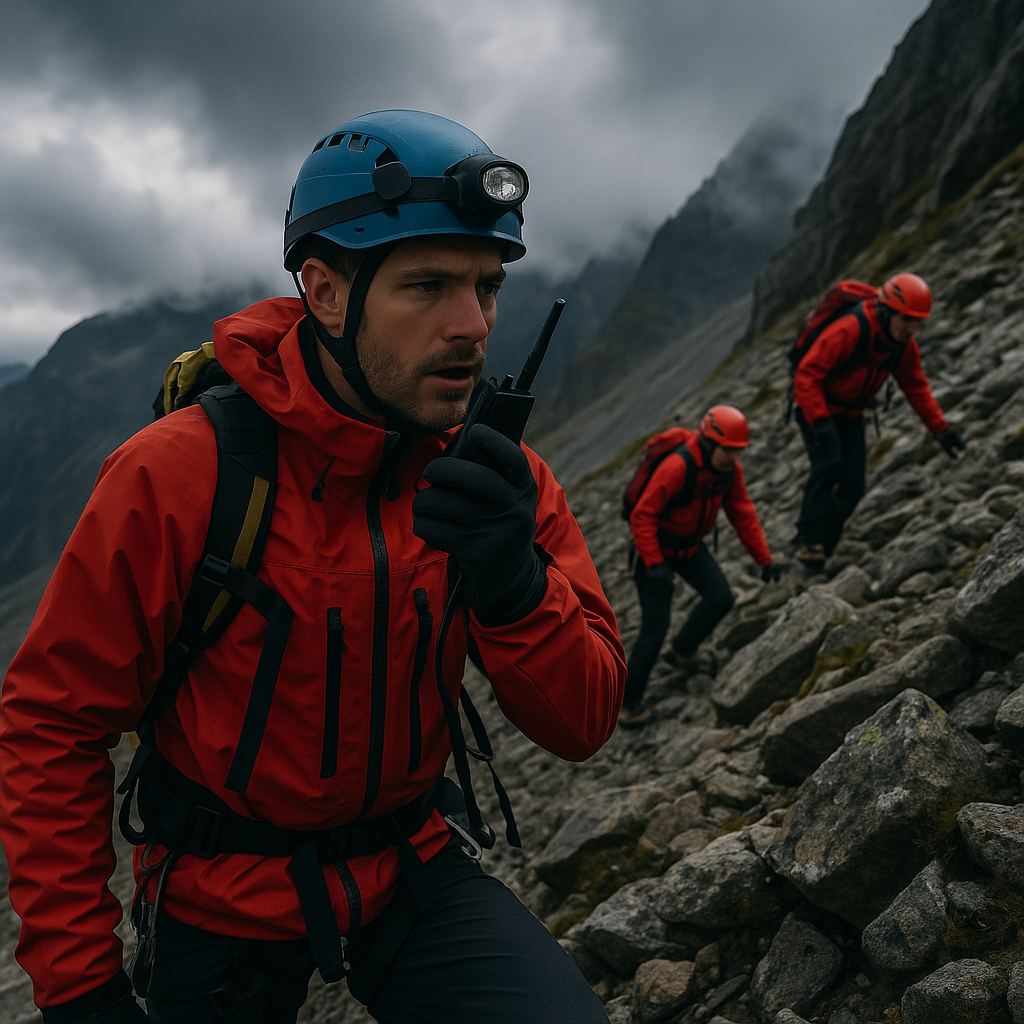
On September 18, 2026, rescue teams faced harrowing conditions while attempting to reach a couple trapped by a sudden storm at a renowned hiking location. This incident not only highlights the physical dangers inherent in outdoor tourism but also brings into focus the evolving demands on the global workforce responsible for safety and emergency response.
Challenges in Outdoor Workforce Safety
The rescue operation underscored the unpredictable nature of environmental hazards that outdoor professionals confront daily. Severe storms, rapidly changing weather conditions, and difficult terrain require safety personnel, park rangers, and emergency responders to maintain exceptional levels of preparedness and resilience.
Key challenges include:
- Rapid Weather Changes: Outdoor workers must work within tight windows of opportunity to carry out rescues or maintenance before weather deterioration.
- Resource Constraints: Remote locations often limit the availability and access to advanced rescue technologies and medical support.
- Physical and Mental Stamina: Prolonged operations in life-threatening conditions demand sustained physical endurance and psychological resilience.
- Coordination Across Agencies: Seamless communication among multiple emergency units is critical for effective rescue outcomes.
Impact on Workforce Training and Development
This incident is a case study in the importance of enhancing training protocols tailored for high-risk outdoor environments. Workforce development programs need to focus on:
- Advanced survival skills and emergency medical training.
- Stress management and decision-making under pressure.
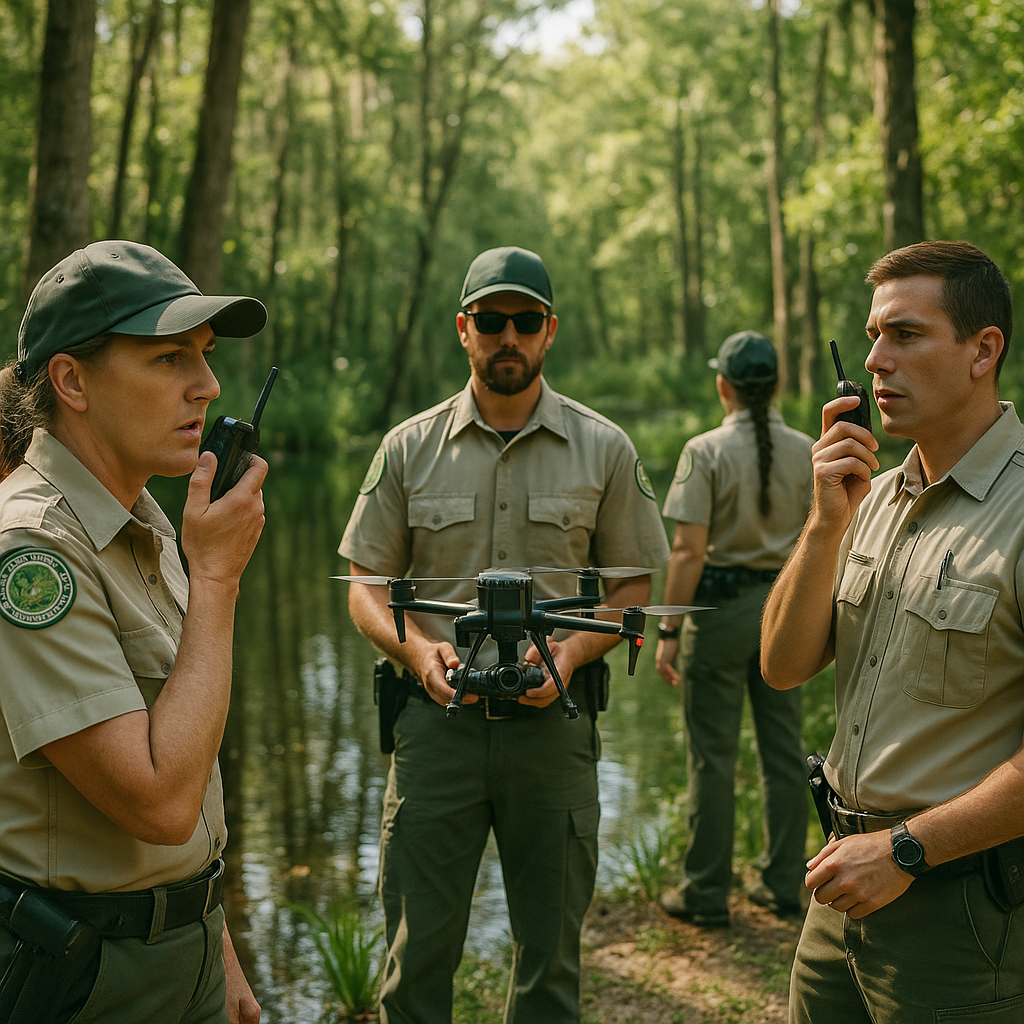
- Technological proficiency with rescue equipment and communication tools.
- Simulation of extreme weather scenarios for preparedness drills.
Such targeted training directly contributes to improved response times, reduced fatalities, and overall worker safety, ultimately supporting sustainable operations at high-traffic natural sites.
Broader Implications for Outdoor Tourism Workforce
The incident also reflects growing complexities in workforce management amid rising tourism at natural destinations worldwide. Key considerations include:
- Increasing demand on personnel to manage both visitor safety and environmental conservation simultaneously.
- Navigating employment challenges related to seasonal work, contract-based staffing, and retention of skilled workers in remote areas.
- Utilizing data and predictive analytics to anticipate hazards and allocate human resources more efficiently.
As global interest in ecotourism expands, the human capital dimension of ensuring a safe and responsive workforce becomes increasingly indispensable.
Conclusion
The recent rescue episode at this premier hiking destination is a sobering reminder of the critical role played by the outdoor workforce in safeguarding lives under extreme conditions. Organizations operating within the outdoor tourism sector must prioritize advanced training, interagency cooperation, and strategic workforce management to meet escalating safety demands. Investing in workforce resilience not only preserves human life but also sustains the growing global interest in natural exploration and adventure tourism.











No comments yet. Be the first!