
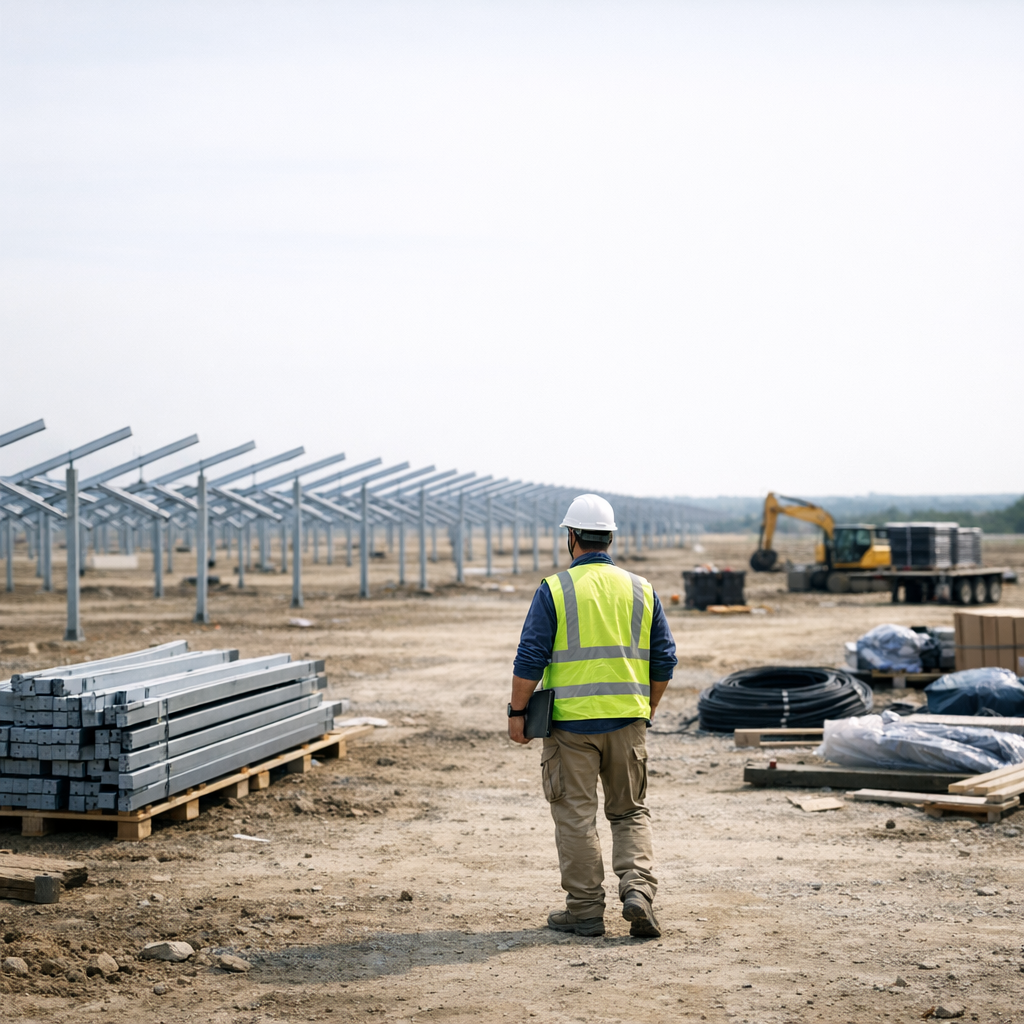
On November 21, 2026, the financial collapse of an Obama-era solar power plant that went bankrupt twice, costing taxpayers a staggering $508 million, sheds light on the complexities and risks underpinning the renewable energy sector’s impact on the global workforce and economic stability.
This case, often compared to the infamous Solyndra debacle, serves as a critical example of how ambitious investments in green technology can have unintended consequences on employment, investor confidence, and workforce development within the energy industry.
Economic Design and Workforce Vulnerability
The solar power facility, initially developed to support sustainable energy goals and job creation during the Obama administration, faced operational and financial challenges that culminated in two bankruptcies over the past decade. While renewable initiatives typically promise robust employment gains through new technologies and infrastructure projects, this failure highlights vulnerabilities within the sector's labor market.
Such bankruptcies disrupt the careers of direct employees and related service providers, impacting local economies dependent on these projects. The volatility undermines worker security in an industry characterized by emerging technologies and fluctuating policy environments.
Investment Risks and Workforce Development Implications
The $508 million loss to taxpayers also reflects broader issues in investment strategies for sustainable technologies. Financial instability in prominent projects creates caution among investors and financial institutions, potentially slowing the flow of capital necessary to scale the green workforce globally.
This uncertainty affects educational institutions and training programs aiming to prepare a skilled labor force for renewable sectors, as shifting investment priorities may reduce funding and internship opportunities essential for practical workforce readiness.
Global Workforce Shifts and Policy Responses
The repercussions extend beyond the United States, influencing international labor markets tied to renewable energy development. Countries worldwide are monitoring such failures as they recalibrate strategies to implement clean energy while fostering stable employment ecosystems.
Policy mechanisms intended to mitigate risks and ensure sustainable workforce growth include:
- Enhanced due diligence on project viability before public investment commitments.
- Increased collaboration between government, educational institutions, and industry to align workforce skills with technological demands.
- Flexible retraining programs for displaced workers to transition within the evolving green job landscape.
- Transparency frameworks to maintain investor confidence and workforce morale.
Future Outlook for Green Workforce Stability
Despite setbacks such as this solar plant’s bankruptcy, the overarching movement towards decarbonization and renewable energy expansion remains imperative for global economic and environmental goals. Strengthening the workforce through targeted policies, risk management, and sustained investment will be critical to achieving a resilient green economy.
Stakeholders must learn from such high-profile financial failures to build adaptive labor market structures that support innovation while protecting workers and taxpayers.
Conclusion
The bankruptcy of the solar power plant, with its massive fiscal impact, serves as a cautionary tale emphasizing the intricate relationship between renewable energy investments and workforce dynamics. Moving forward, integrating economic foresight and comprehensive workforce planning will be indispensable to nurture a sustainable and globally competitive green labor market.









No comments yet. Be the first!