
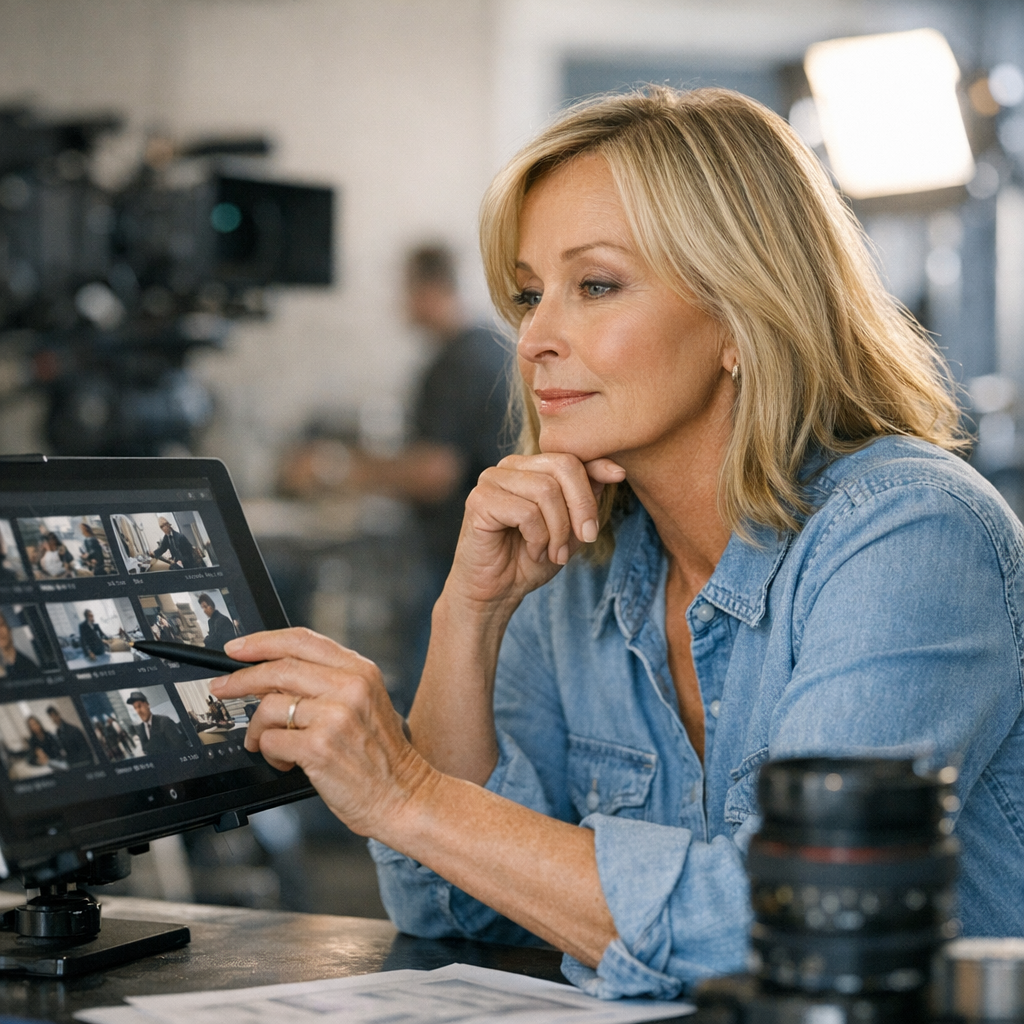
The narrative surrounding Bo Derek and her marriage to John Derek, marked by a considerable age gap and significant personal challenges, can be reinterpreted through the lens of lifelong learning and personal development. Their story, initially framed by public scrutiny and emotional trials, illustrates the complexities inherent in navigating evolving personal identities and professional landscapes over time.
Lifelong Learning as a Framework for Personal Resilience
At its core, lifelong learning embodies the continuous acquisition and application of knowledge and skills throughout an individual’s life. In Bo Derek’s case, the ability to adapt publicly and privately following a controversial union reveals the resilience cultivated by ongoing personal growth. Despite the 30-year age difference between Bo and John Derek, their partnership highlights the importance of flexibility, emotional intelligence, and self-directed learning in managing unconventional life paths.
Transformation Amidst Social and Career Challenges
Bo Derek’s early career, intersecting with her marriage to an established director who had left a previous long-term spouse for a much younger woman, placed her within a complex social narrative. This scenario underscores several lessons relevant to lifelong learning:
- Adaptability: Negotiating public perceptions and personal identity within a highly scrutinized partnership necessitated constant emotional and social adjustment.
- Skill Diversification: Beyond acting, Derek’s journey involved developing skills in fields such as production, philanthropy, and advocacy, reflecting the need to evolve professionally.
- Cognitive Flexibility: Processing and managing the pressures arising from media narratives about her relationship required a sophisticated understanding of personal boundaries and psychological well-being.
Implications for the Global Workforce and Future Generations
Bo Derek’s experience resonates with broader themes applicable to an international audience, especially in the context of the future of work and lifelong education strategies. The ability to navigate unexpected personal and professional shifts mirrors the demands placed on today’s workforce, where change is constant and learning agility is essential.
Her trajectory suggests that cultivating a mindset oriented toward lifelong learning can enable individuals to:
- Overcome setbacks and reframe challenges as opportunities for growth.
- Integrate diverse experiences to enrich professional capacities.
- Maintain relevance amid evolving societal norms and labor market demands.
Broader Educational Perspectives
The narrative invites educators and policymakers to consider the nuanced ways in which personal life experiences intersect with professional development. Embedding emotional intelligence, adaptability, and reflective learning into lifelong learning curricula can better prepare individuals to face complex life transitions.
Furthermore, it encourages a holistic approach to education—one that values not only formal knowledge but also the lessons derived from lived experiences and social contexts.
Conclusion
Bo Derek’s story, when viewed through the prism of lifelong learning, highlights the indispensable role of continuous personal and professional development in managing life’s unpredictability. Her ability to evolve amid significant challenges serves as a compelling model for embracing learning as a lifelong endeavor that transcends traditional academic settings, intersecting deeply with emotional resilience and adaptability in a rapidly changing world.








No comments yet. Be the first!