
#GlobalTalks Explores the Ethical and Human Dimensions of Artificial Intelligence in Modern Society
31 Jan, 2026 | 17:07
.
PE
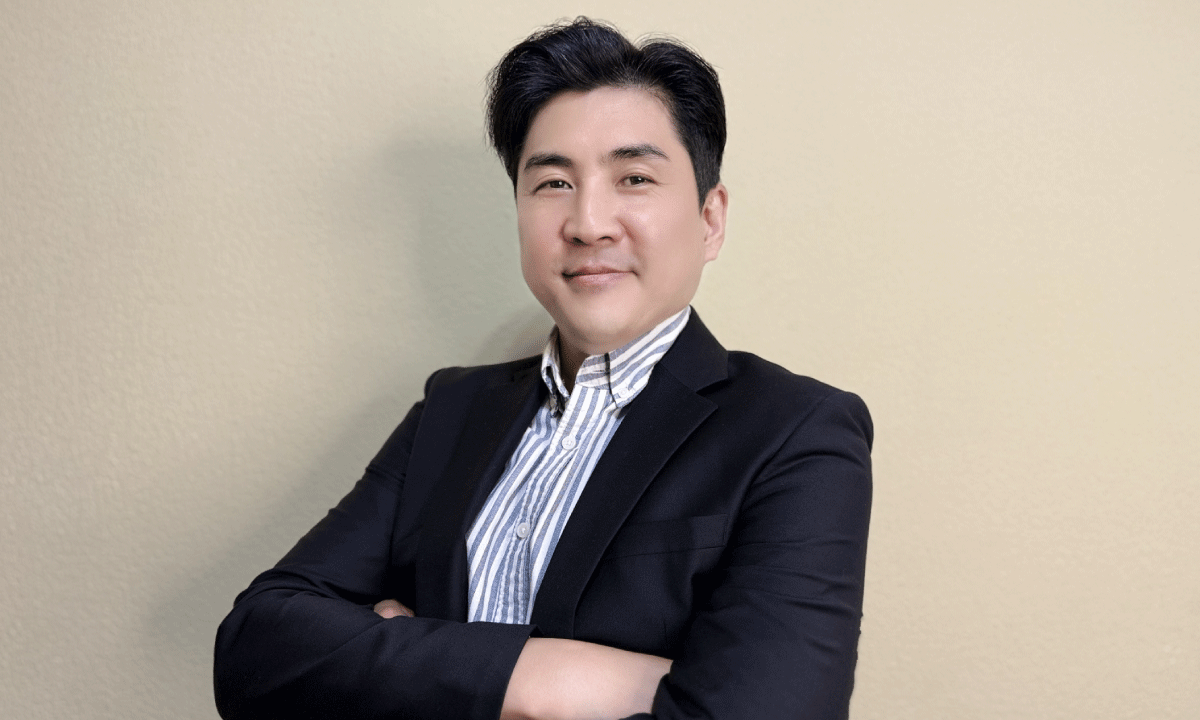
The latest #GlobalTalks session featured South Korean researcher Dr. Sang Guun Yoo, who discussed the ethical, educational and societal implications of artificial intelligence worldwide.
Artificial intelligence has evolved from a specialized research topic into a defining force shaping everyday life, social interaction and the future of knowledge. This transformation was at the center of the most recent #GlobalTalks session, an international conference series organized by Global Academic Network, an academic network with more than 30 years of experience connecting higher education institutions worldwide.
The session featured South Korean researcher Dr. Sang Guun Yoo, who presented the talk The New Normal of Society in the Era of Artificial Intelligence. His lecture examined how AI is influencing the way people learn, communicate and make decisions, while raising questions about the ethical responsibilities that accompany technological progress.
A central theme of the discussion was the idea that artificial intelligence should not be viewed solely as a technological development. Instead, it must be understood as a social phenomenon that affects how knowledge is created and distributed. From recommendation systems to automated decision processes, AI tools increasingly influence everyday experiences, making it essential to evaluate their broader societal impact.
The session highlighted how education is already adapting to these changes. Intelligent learning platforms can personalize instruction and monitor student progress in real time, creating new opportunities to expand access to education. At the same time, the rapid pace of technological adoption requires institutions to rethink how they prepare students for careers that may not yet exist.
Dr. Yoo emphasized the importance of interdisciplinary collaboration. The challenges posed by artificial intelligence extend beyond engineering and computer science. Sociologists, educators, legal experts and policymakers must work together to ensure that innovation aligns with human values. Without this collective approach, the benefits of AI could be accompanied by unintended social and ethical consequences.
Ethics played a central role throughout the discussion. Issues such as data privacy, algorithmic transparency and automated bias continue to shape global debates about the responsible use of AI. According to Dr. Yoo, technology reflects the priorities and assumptions of the people who design it. This perspective underscores the need for inclusive dialogue and thoughtful governance.
The conversation also addressed the potential risks of widening global inequalities if technological development outpaces educational investment. Regions that fail to strengthen digital skills and infrastructure may struggle to keep pace with the evolving knowledge economy. This challenge reinforces the importance of accessible education and ongoing professional development.
Through events like this, #GlobalTalks aims to create spaces where international audiences can engage with complex topics shaping the future. The session demonstrated how discussions about artificial intelligence extend far beyond technical innovation and into the realms of ethics, education and human development.
The message that emerged from the conference was clear. Artificial intelligence is not a distant possibility but a present reality that requires reflection, collaboration and responsible action. Understanding its social implications will be essential for shaping a future where technology supports human progress rather than outpaces it.











No comments yet. Be the first!