
How Latin America is rewriting the global AI map
05 Feb, 2026 | 17:27
.
PE
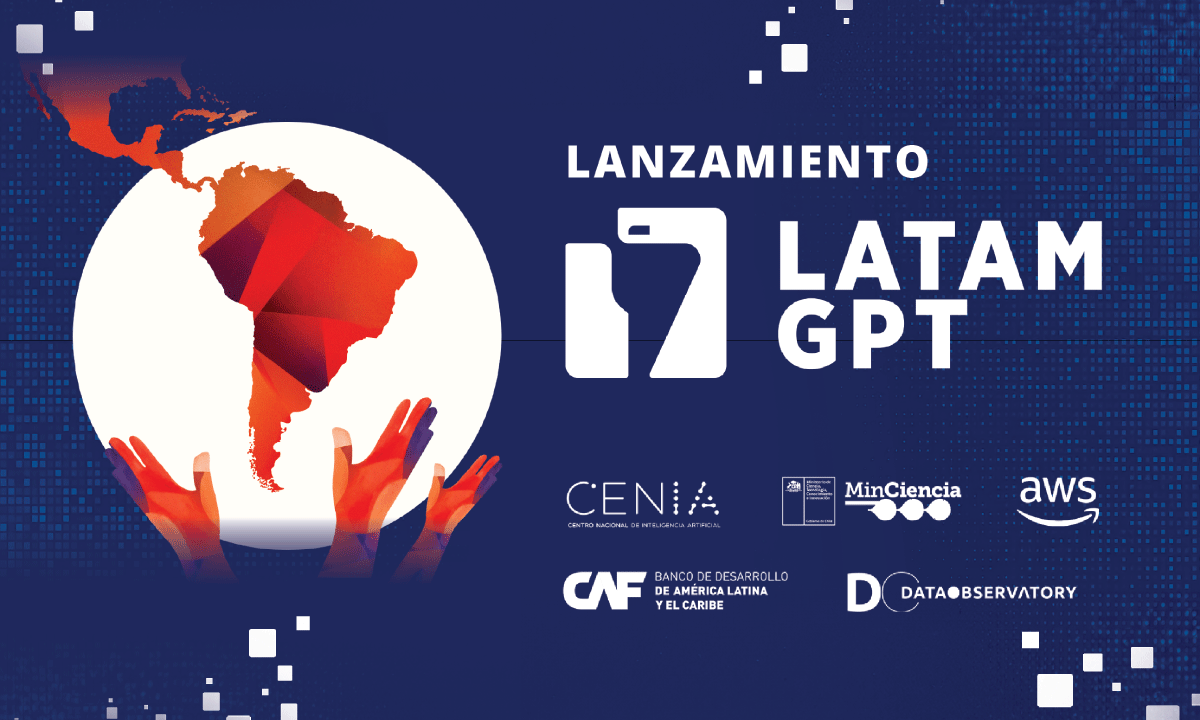
Latin America launches its first open AI model, reshaping global innovation and digital sovereignty.
.custom-h2 {
font-size: 28px;
}
Latam-GPT signals a historic shift: Latin America is moving from AI consumer to creator. Built by 60+ institutions across 15 countries, this open model could reshape global AI governance, innovation ecosystems, and digital sovereignty in emerging economies worldwide.
A ceremony in Santiago, Chile quietly marked one of the most symbolic moments in the global AI race.
Latin America launched its first large-scale open language model — a milestone that reflects years of collaboration across governments, academia, and industry.
For decades, emerging economies relied on technology designed elsewhere. Latam-GPT represents a different narrative.
The long road to digital sovereignty
Artificial intelligence has historically been shaped by a small group of technological superpowers.
This imbalance created a knowledge gap: AI systems often understand European history better than Latin American independence movements.
The consequences extend beyond culture. They influence education, healthcare, governance, and global competitiveness.
Latam-GPT was designed to address this imbalance through regional collaboration.
A continental collaboration experiment
The initiative brought together:
Governments
Universities
Research centers
Technology companies
More than 100 professionals worked under open governance standards.
Transparency is central: datasets, code, and results are publicly available for entrepreneurs and researchers.
This approach contrasts with closed commercial models dominating the industry.
Why the world is watching Latin America
Latam-GPT is not just a regional milestone. It represents a new model of AI development: collaborative, open, and culturally grounded.
Emerging economies in Africa and Southeast Asia are observing closely. The project demonstrates that large-scale AI can be built outside traditional tech hubs.
Implications for the global economy
The model could accelerate:
AI localization
Multilingual digital services
Regional innovation ecosystems
Inclusive digital transformation
Countries like Peru, Mexico, Colombia and Chile could use AI to boost education, healthcare and public services.
The long-term impact could reshape global AI governance.
What comes next
Latam-GPT is designed as a platform, not a finished product.
Future applications include:
Hospitals
Schools
Public institutions
Local industries
This signals the beginning of a multipolar AI world.











No comments yet. Be the first!