
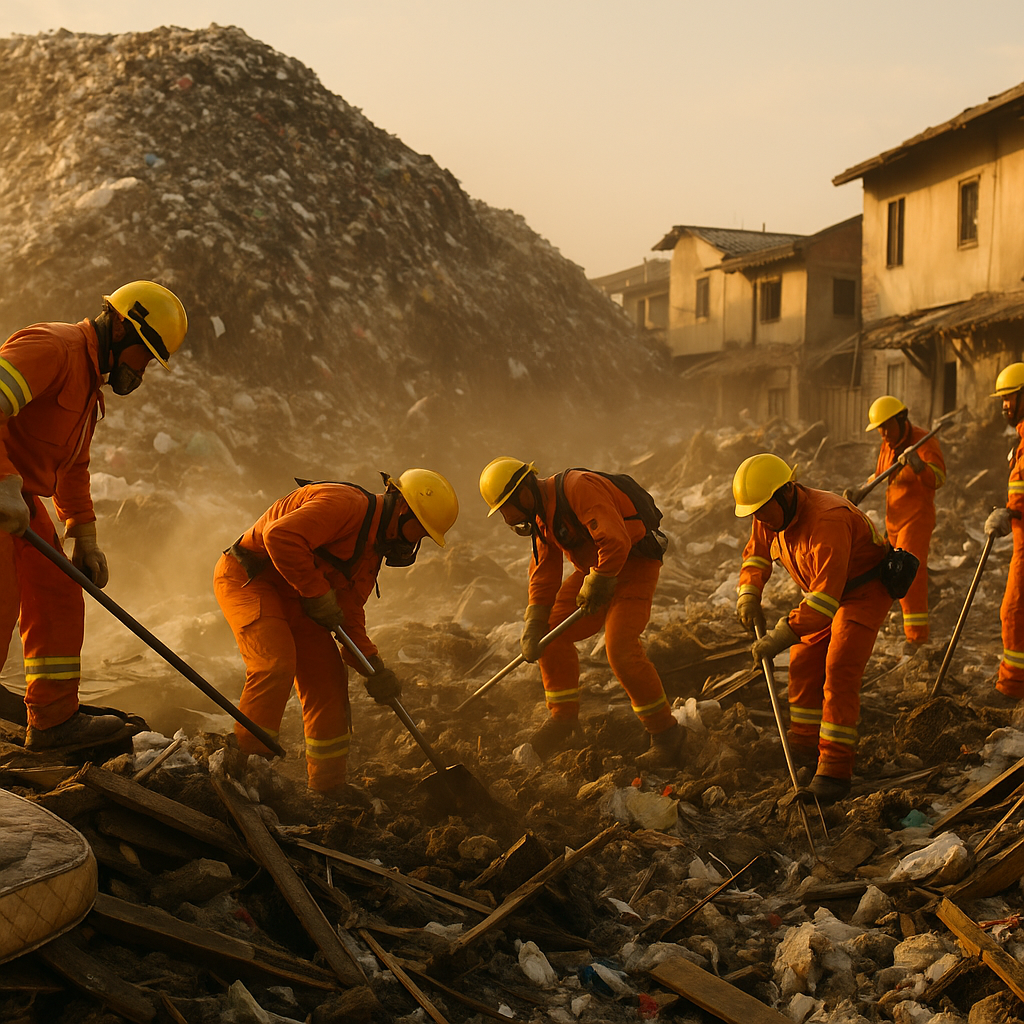
On August 22, 2026, a catastrophic event unfolded when a massive garbage heap collapsed onto residential homes, leading to the tragic loss of at least 30 lives, including several rescue personnel actively engaged in the search for survivors. This disaster underscores the critical occupational hazards faced by workers in waste management and emergency response sectors globally.
Occupational Safety Challenges in Waste Management
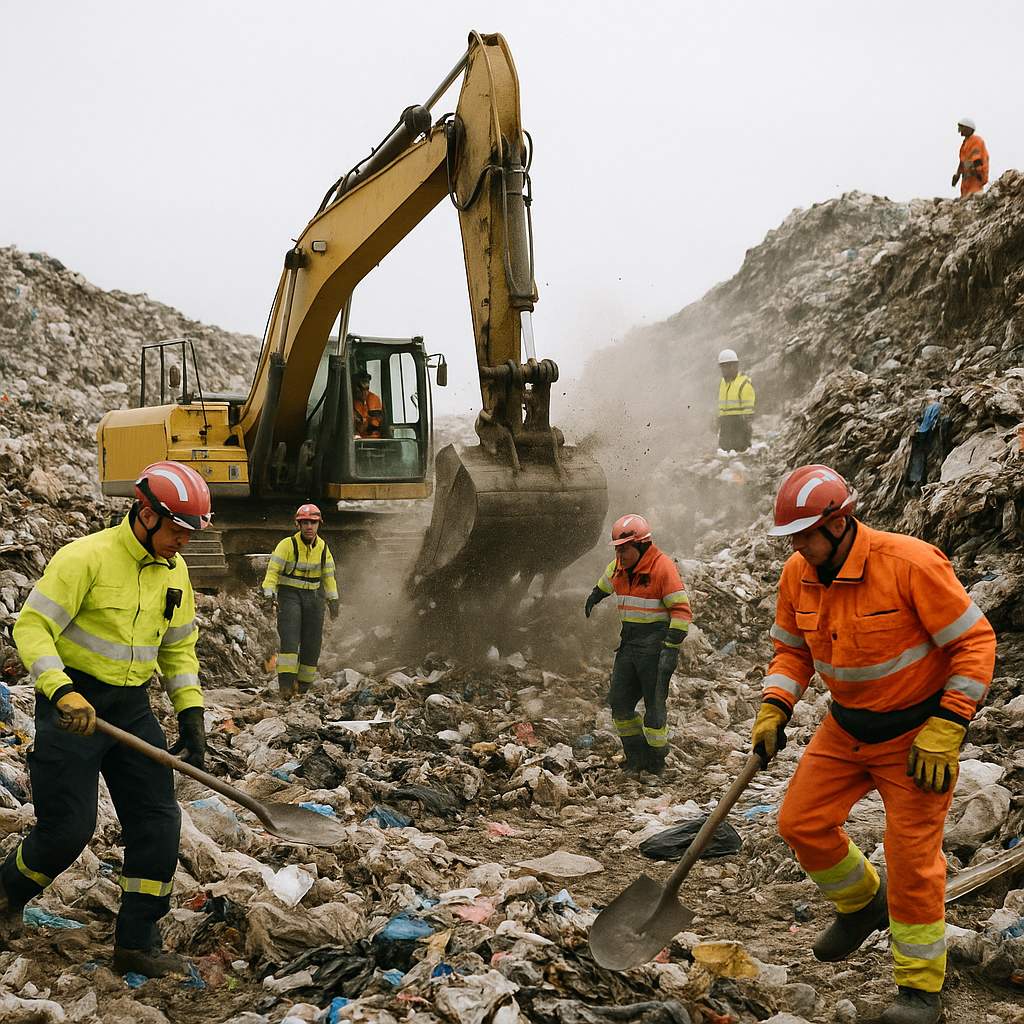
The incident highlights persistent and often overlooked risks that waste management workers confront daily. Loose waste piles and unstable landfill sites pose significant dangers not only to local communities but, crucially, to workers who operate in these environments under challenging conditions.
Key safety challenges include:
- Insufficient structural assessments of waste heaps before operations.
- Lack of advanced monitoring systems to detect potential collapses.
- Limited access to professional training focused on hazardous scenarios.
- Inadequate personal protective equipment (PPE) suited for complex environmental dangers.
Emergency Response and Workforce Implications
The fact that many of the casualties were rescuers emphasizes the high-risk nature of emergency response jobs connected to environmental disasters. It raises urgent questions about preparedness, protocols, and resource availability to protect frontline workers during such crises.
For global workforce management, this event serves as a critical case study to reassess disaster response frameworks, particularly in industries dealing with environmental and health hazards.
Global Workforce Adaptation and Future Preparedness
In light of this tragedy, organizations and governments worldwide are urged to:
- Invest in cutting-edge technologies capable of real-time surveillance of high-risk waste sites.
- Enhance training programs with simulation exercises tailored to disaster vulnerabilities.
- Strengthen safety regulations and enforcement in waste handling and emergency sectors.
- Foster cross-sector collaborations to develop innovative risk mitigation strategies.
Moreover, the psychological impact on surviving workers and first responders calls for comprehensive mental health support systems to ensure workforce resilience amidst crisis.
Conclusion
The waste pile collapse tragedy of August 22, 2026 is a stark reminder of the precarious conditions under which many workers in waste management and emergency response operate. Addressing these risks with robust safety policies, advanced technology, and holistic workforce support is imperative to prevent future loss and safeguard the global workforce.








No comments yet. Be the first!