
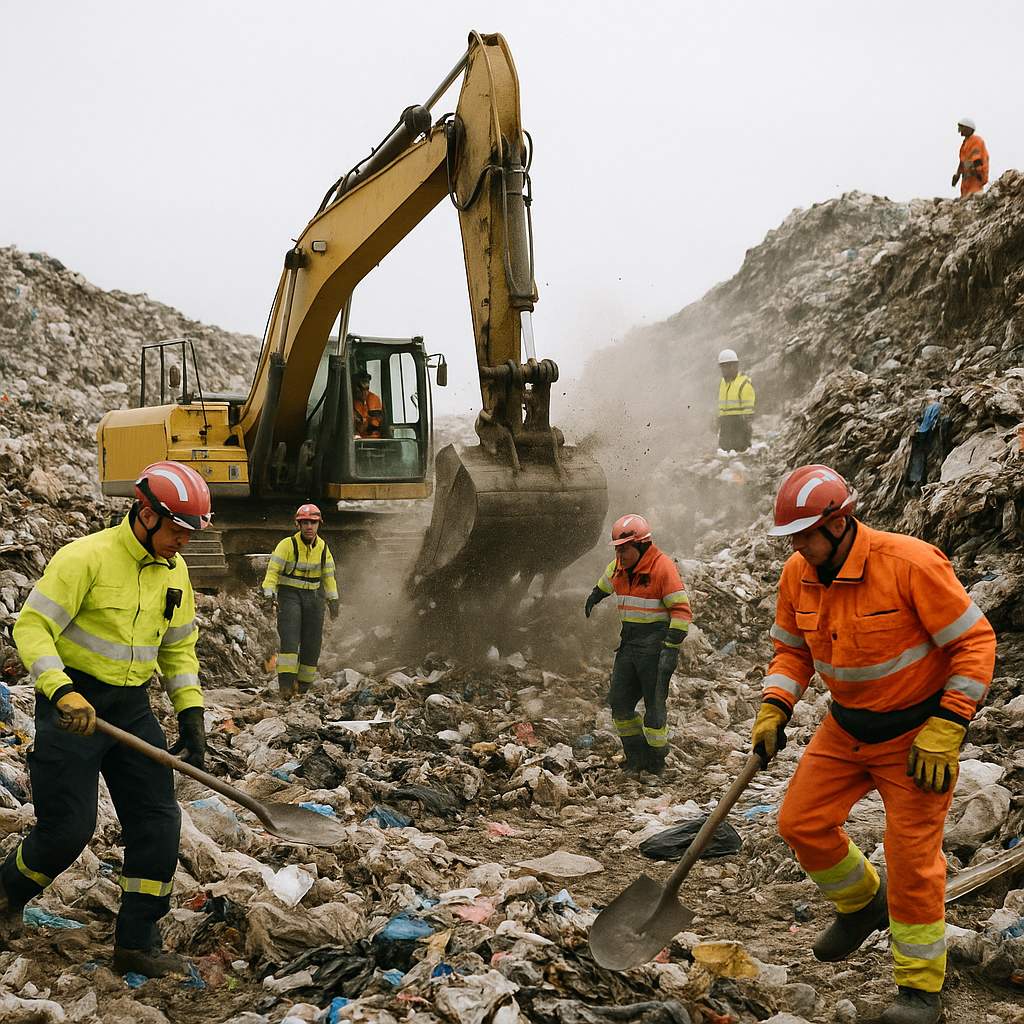
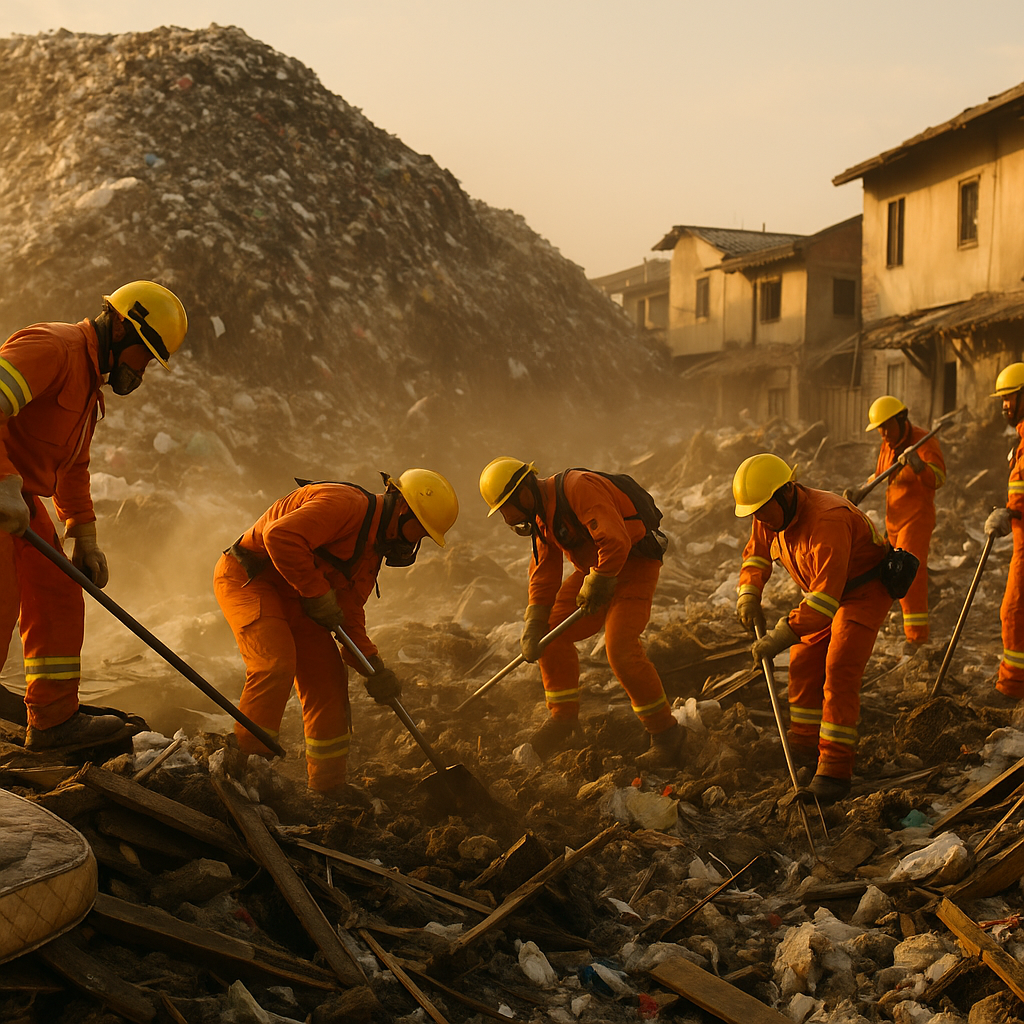
On August 24, 2026, a large-scale disaster unfolded when a massive heap of accumulated waste suddenly collapsed onto adjacent residential areas. This tragic event has led to the loss of at least 30 lives, with numerous others injured. Notably, many of the deceased are members of the rescue teams who were actively engaged in searching for survivors.
Impact on Rescue Workforce Safety
The incident starkly highlights the occupational risks faced by emergency response workers when operating in highly unstable environments such as landfills and waste disposal sites. Rescue personnel are frequently exposed to unpredictable conditions that demand immediate interventions but often lack adequate structural safety assurances. The complexity of working amidst shifting debris underscores the urgent need for reinforced safety protocols and advanced training modules that specifically address these unique hazards.
Key Challenges Faced by Emergency Teams
- Structural Instability: The inherent unpredictability of massive waste piles can lead to sudden collapses, complicating rescue efforts and jeopardizing worker safety.
- Hazardous Materials: Exposure to toxic substances commonly found in large waste accumulations presents significant health risks.
- Limited Access and Visibility: Navigating debris fields limits movement and hampers coordinated emergency responses.
- Psychological Stress: The psychological toll on workers responding to mass casualty events in hazardous conditions remains an often overlooked but critical factor.
Global Workforce Preparedness and Future Considerations
This tragedy underscores the imperative for governments, occupational health organizations, and emergency management agencies worldwide to reassess and enhance their training and preparedness programs tailored to workforce safety in disaster contexts. Investment in new technologies such as real-time structural stability monitoring, drones for aerial hazard surveillance, and improved personal protective equipment could mitigate risks for frontline workers.
Furthermore, the collaboration between public health officials, environmental experts, and labor organizations is critical to formulate comprehensive guidelines that integrate safety, health, and rapid response needs. Enhancing communication systems and establishing clear command chains can improve operational efficiency and worker protection during similar emergencies.
Societal and Economic Repercussions
The loss of skilled rescue workers not only impacts immediate disaster recovery efforts but also affects community resilience and economic stability. The human capital invested in emergency response teams is invaluable, and their safety is paramount for maintaining effective crisis management globally.









No comments yet. Be the first!