
On August 28, 2026, heightened tensions between Russia and Ukraine have captured global attention, as Russia issued warnings about potential military strikes targeting British defense infrastructure. While the geopolitical developments pose serious security concerns, their ramifications extend deeply into the global workforce, especially within sectors linked to defense, manufacturing, and international supply chains.
Defense Industry Workforce Expansion and Challenges
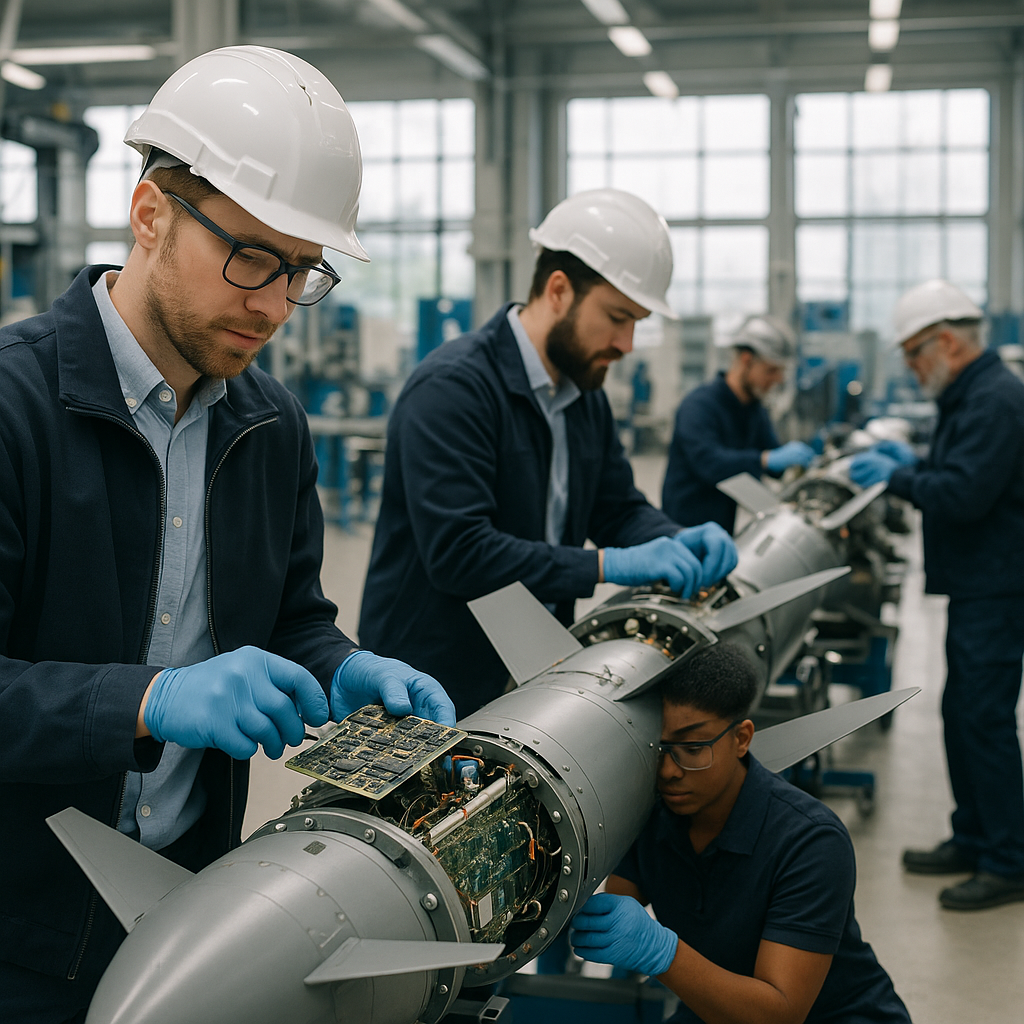
The escalating alert has accelerated demand for skilled labor within the military manufacturing sector across allied nations. Defense contractors are ramping up production of advanced weaponry and surveillance technologies, resulting in a surge in hiring for engineers, technicians, and logistics personnel.
However, this rapid growth comes with challenges including:
- Talent Acquisition: Identifying professionals with specialized expertise in defense technology within tight timeframes.
- Supply Chain Disruptions: Sourcing critical components amidst geopolitical trade restrictions and increased demand.
- Labor Retention: Maintaining workforce stability as projects intensify, potentially straining employees.
Global Supply Chain and Workforce Reallocations
Beyond the defense industry, allied countries are witnessing shifts in manufacturing and logistics sectors tied to global supply chains. Nations engaged in producing raw materials, electronics, and transportation infrastructure are adapting workforce strategies to mitigate risks stemming from conflict-driven uncertainty.
Companies have implemented flexible labor models to accommodate fluctuating demand and safeguard operations. This includes increased reliance on remote work technologies, workforce reskilling programs, and strategic geographic diversification of manufacturing hubs.
Implications for Workforce Policy and Training
As the global political environment remains volatile, governments and corporations are intensifying investments in workforce development initiatives, emphasizing:
- Resilience Training: Preparing employees for rapid operational pivots in crisis contexts.
- Technical Education: Expanding STEM programs tailored to defense and high-tech manufacturing skills.
- Cross-sector Collaboration: Promoting partnerships between public institutions and private enterprises to align workforce capabilities with emergent industry needs.
Notably, these adjustments reflect a broader trend where global workforce strategies must constantly evolve to meet the realities posed by international security developments and technological advancements.
Conclusion
The current tensions between Russia, Ukraine, and the United Kingdom underscore the complex interplay between global geopolitics and workforce dynamics. For industries linked to defense and beyond, strategies that emphasize agility, skills development, and diversified supply chains are imperative to navigate this unpredictable landscape. As nations confront these challenges, the global workforce will remain a pivotal factor in maintaining stability and advancing technological capabilities amid conflict-driven uncertainties.











No comments yet. Be the first!