
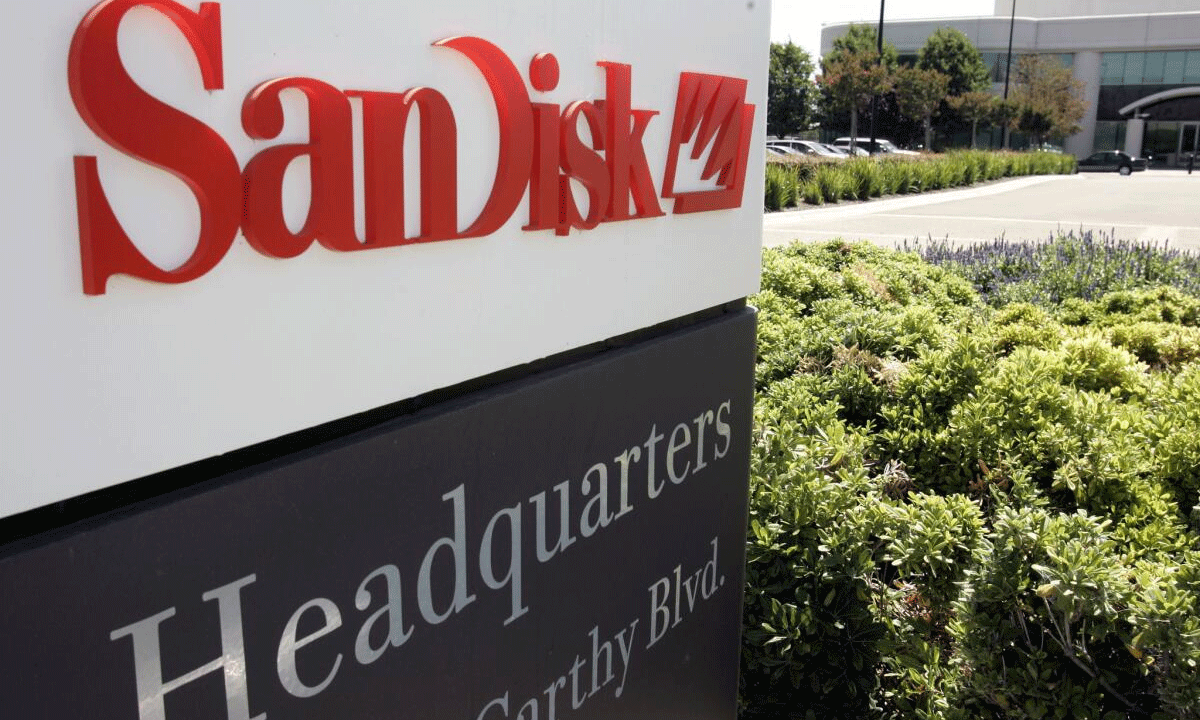
A single data point has sparked widespread attention: an investment of $35,000 in SanDisk one year ago could have exceeded $1 million today. While the figure captures headlines, its real significance lies in what it reveals about how investment knowledge is understood, taught, and applied in a rapidly shifting financial landscape.
What this case reveals about how people learn investing
The SanDisk example highlights a persistent gap between theoretical financial education and real-world market behavior. Traditional learning models often emphasize long-term strategies and diversification, but they may not fully address how to interpret sudden, high-impact movements in individual stocks.
This disconnect can lead to misinterpretation. Learners may focus on exceptional outcomes without understanding the underlying conditions that made them possible. As a result, there is a growing need to rethink how investment concepts are contextualized in educational settings.
Skills that are becoming essential in volatile markets
The increasing visibility of cases like SanDisk underscores the importance of developing a more nuanced set of investment skills. These competencies go beyond basic financial literacy and require a deeper engagement with data and uncertainty.
Among the most relevant skills emerging in this context are:
- Contextual analysis: Understanding the broader market conditions behind extreme stock performance.
- Risk awareness: Recognizing that exceptional returns often come with significant uncertainty.
- Decision framing: Evaluating investment choices based on probability rather than isolated outcomes.
These skills are increasingly relevant not only for finance students but for a global workforce where personal investment decisions are becoming more common.
How education systems can respond to this shift
Institutions are facing pressure to adapt their curricula to reflect the realities of modern financial markets. Static models and simplified scenarios may no longer be sufficient to prepare learners for environments where volatility and rapid change are defining characteristics.
Integrating real-world case analysis, such as the SanDisk surge, into educational programs can help bridge this gap. By examining both the outcomes and the underlying drivers, learners gain a more comprehensive understanding of how markets operate beyond textbook examples.
Learning beyond outcomes: building long-term understanding
The attention generated by extreme investment returns often centers on the result rather than the process. However, effective financial education must shift this focus toward understanding decision-making frameworks and the limitations of predictive accuracy.
As cases like SanDisk continue to emerge, the challenge for global education systems is clear: equip learners not just to recognize opportunities, but to critically assess them. In doing so, education moves from explaining what happened to preparing individuals for what they may encounter next.








No comments yet. Be the first!