
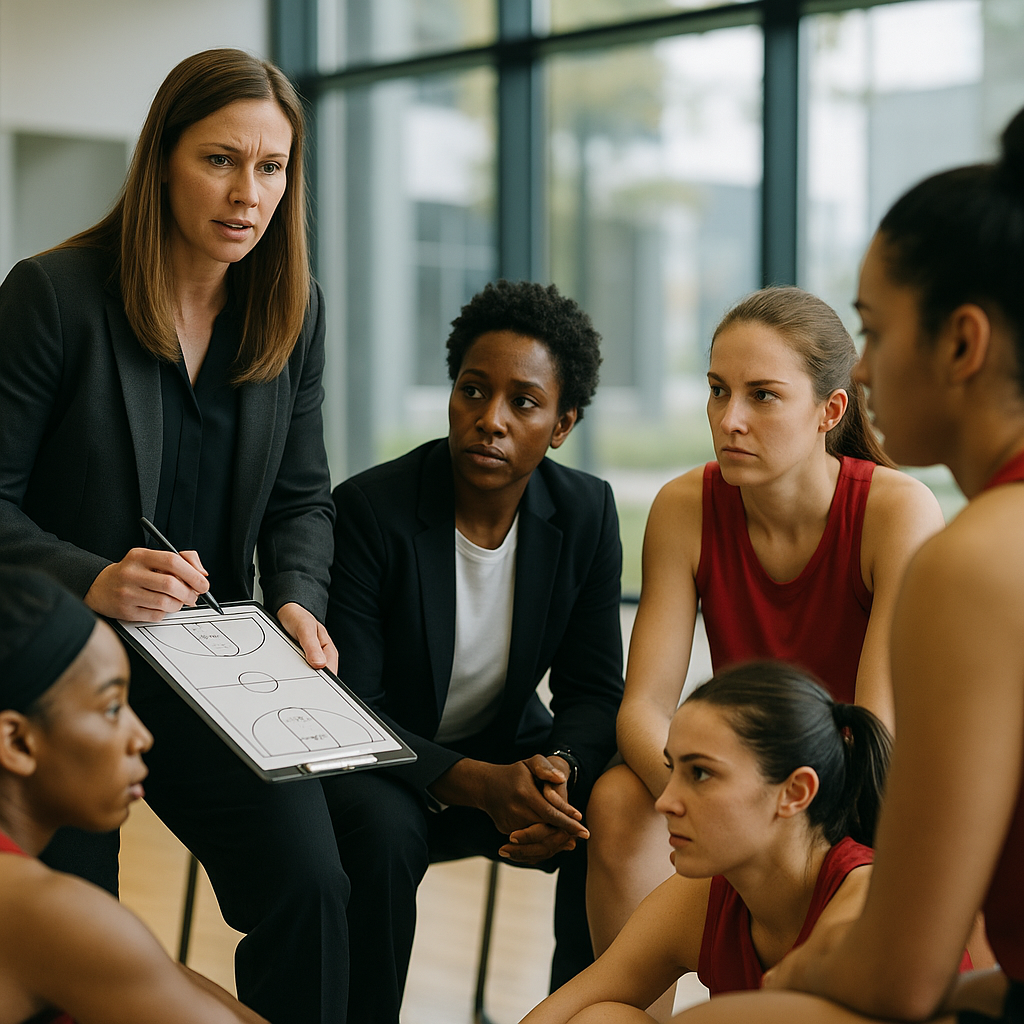
On August 20, 2026, the discourse surrounding women's sports has intensified, fueled by recent events that highlight the intersection between athletic competition and gender identity discussions. This evolution has significant implications for the global workforce within the sports industry, affecting organizational culture, leadership, and human resource strategies.
Changing Workforce Dynamics in Women’s Sports
The recent public reactions from key coaches in the women's basketball arena have thrown a spotlight on the challenges sports organizations face in balancing inclusivity with competitive integrity. While originally sporting events centered around skill and athleticism, today’s workforce must also navigate complex social dialogues that influence team cohesion and audience engagement.
These developments have led sports organizations to reconsider their policies and workplace environments, not only on the playing field but also in administrative and coaching roles. As organizations endeavor to create inclusive atmospheres, they confront the challenge of integrating diverse perspectives while maintaining productivity and performance standards.
Impact on Leadership and Organizational Culture
Leadership within women's sports teams and federations is increasingly tasked with managing multifaceted identities and expectations. The evolving narrative around gender inclusivity necessitates leadership styles that prioritize empathy, adaptability, and open communication channels. This shift is prompting many organizations to invest in diversity and inclusion training, as well as conflict resolution frameworks to address emerging workforce tensions.
- Enhanced diversity initiatives: Organizations are adopting comprehensive inclusion programs tailored to gender identity and expression.
- Workplace training: Sensitivity and awareness workshops are becoming core to maintaining positive team environments.
- Policy development: Clear guidelines regarding participation, conduct, and support mechanisms are being established to guide workforce behavior.
Challenges and Opportunities
The convergence of social movements and sports elevates several challenges spanning human resources, public relations, and operational management. Maintaining a unified team culture amidst divergent personal beliefs requires strategic facilitation and transparent dialogue. However, these challenges also present opportunities for innovation in workforce management.
- Talent retention and attraction: Inclusive environments are increasingly appealing to a broader talent pool, fostering greater organizational resilience.
- Brand positioning: Organizations that successfully navigate these dynamics often strengthen their brand reputation as progressive and socially responsible entities.
- Workforce engagement: Enhanced dialogue and inclusive practices contribute to improved morale and collaboration across diverse groups.
Global Workforce Implications
The evolving scenario in women's sports reflects a microcosm of larger global workforce trends where diversity and inclusivity remain central themes. Companies and organizations beyond sports can draw valuable lessons regarding managing change, facilitating inclusive dialogue, and aligning corporate culture with contemporary social values.
In particular, the sports industry’s experience underscores the need for proactive leadership and robust human resources strategies that anticipate societal shifts and promote sustainable workforce development.
Conclusion
The ongoing transformation within women’s sports highlights the complex interplay between societal values and workforce management. As organizations strive to balance inclusivity with performance, they are redefining leadership paradigms and organizational cultures worldwide. This evolution offers a unique vantage point for understanding how global workforces can adapt to and thrive amid rapidly changing social landscapes.






No comments yet. Be the first!