
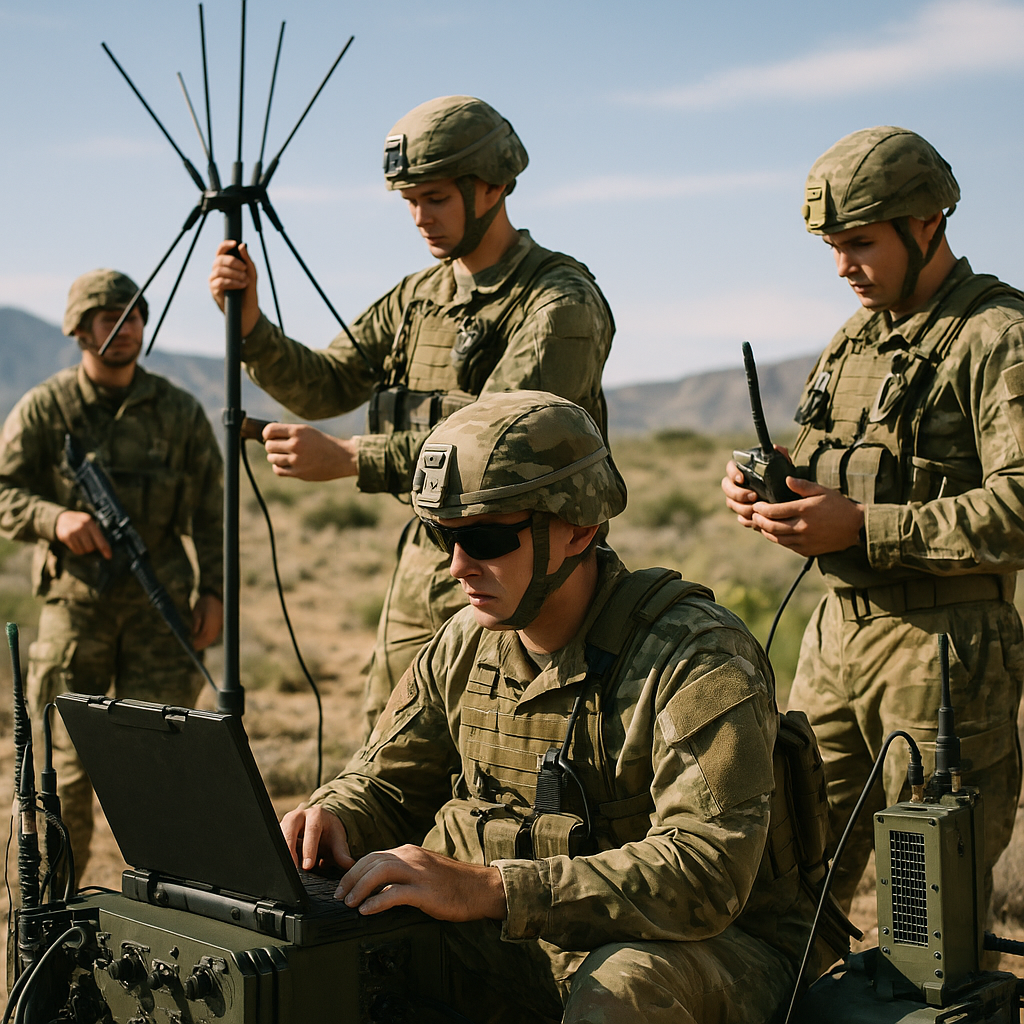
On July 30, 2026, the US Army successfully deployed the advanced electronic warfare system known as Hammer of the Gods during a major overseas exercise. This marks the first time the system has been tested operationally outside the United States, showcasing the military’s commitment to integrating cutting-edge technology aimed at enhancing communication disruption capabilities.
The Hammer of the Gods is a sophisticated platform designed to interfere with enemy command and control networks by leveraging powerful signal jamming and electronic countermeasures. Its deployment overseas signifies a strategic advancement not only in defensive military operations but also in the specialized technical workforce managing these increasingly complex systems.
Technological Innovation and Workforce Adaptation
The introduction of the Hammer of the Gods into active operational environments exemplifies the growing intersection between technological innovation and workforce specialization. It requires a new cadre of highly skilled personnel trained to manage, operate, and maintain electronic warfare systems that rely on artificial intelligence and real-time data analytics.
The exercise enabled the military to evaluate operational readiness and the effectiveness of personnel in deploying these advanced systems under realistic conditions. This not only tests the hardware but also the capacity of the workforce to adapt to rapid technological changes and execute complex missions in dynamic environments.
Implications for Global Workforce Trends
The deployment and operational test of the Hammer of the Gods have broader implications for workforce development across industries reliant on electronics and cybersecurity. Key aspects include:
- Specialized Skill Demand: Increasing need for engineers, data analysts, and electronic warfare experts trained in AI-driven systems.
- Training Evolution: Necessity for adaptive, continuous learning programs focused on rapidly evolving technologies.
- Interdisciplinary Collaboration: Integration of personnel from diverse backgrounds such as cyber defense, signal intelligence, and software engineering.
- Operational Readiness: Enhanced simulation and live exercises to build practical expertise in managing complex systems under pressure.
These elements demonstrate the critical importance of aligning workforce strategies with technological innovation to maintain operational superiority in global defense and security sectors.
Challenges and Opportunities
While the operational deployment of such high-tech systems brings numerous advantages, it also presents significant challenges:
- Talent Acquisition: The military and allied industries face intense competition for professionals skilled in electronic warfare and AI application.
- Cybersecurity Risks: Advanced systems are targets for cyberattacks, demanding robust defensive measures and workforce vigilance.
- Ethical Considerations: Personnel must navigate complex ethical scenarios related to automated decision-making and electronic disruption in conflict zones.
Nevertheless, successful implementation offers opportunities to pioneer workforce models emphasizing agility, technical expertise, and interdisciplinary collaboration, applicable across sectors beyond defense.
Conclusion
The US Army’s overseas test of the Hammer of the Gods system represents a pivotal moment in integrating advanced electronic warfare technology with a specialized, adaptive workforce. This initiative serves as a benchmark for militaries and related industries worldwide aiming to harness high-tech solutions coupled with expert human capital to navigate the complexities of modern operational environments.
Ultimately, the exercise underscores the critical role of continuous workforce evolution aligned with technological progress, a theme increasingly relevant across the global industrial and security landscape.










No comments yet. Be the first!