

Careers are no longer built on static knowledge. They are shaped by the ability to execute, adapt, and lead projects across changing environments.
What we should learn from the rise of project-based work
Across industries, work is increasingly organized around projects rather than fixed roles. From technology to healthcare and education, professionals are expected to deliver outcomes within defined timelines, budgets, and objectives.
This shift is changing how skills are valued. Knowledge alone is no longer sufficient; execution has become the differentiating factor. As a result, project management is emerging as a core competency in the global workforce.
The skills that define modern professionals
The growing importance of project-based work highlights a set of essential skills that professionals must develop to remain relevant. These skills go beyond technical expertise and focus on coordination, leadership, and strategic thinking.
- Planning and structuring complex initiatives
- Managing teams across different functions and locations
- Adapting to uncertainty and changing priorities
- Aligning execution with strategic goals
These capabilities are increasingly recognized as transferable across industries, making them particularly valuable in a globalized labor market where mobility and adaptability are key.
How education is adapting to this shift
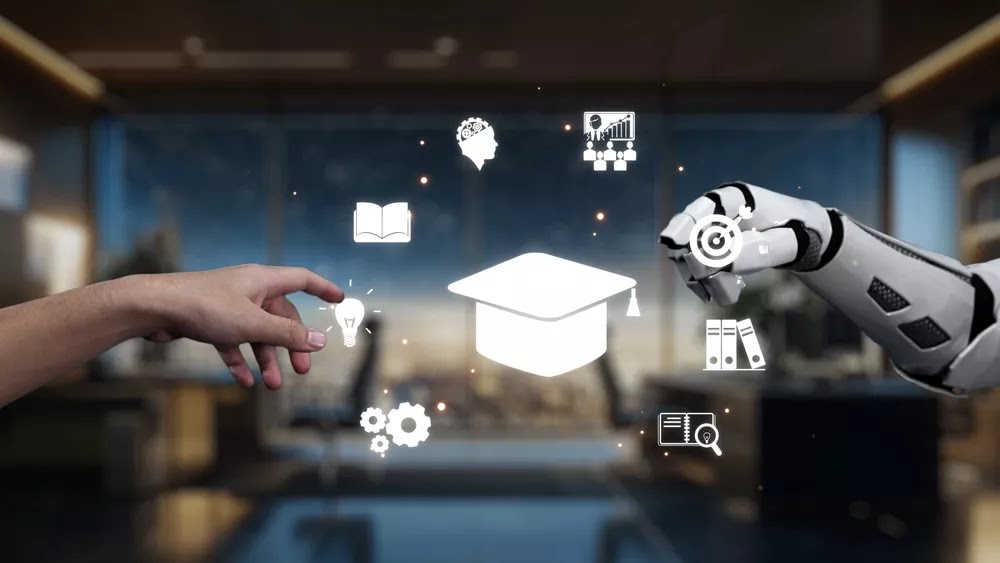
Educational institutions are responding by redesigning their offerings to focus on practical, skills-based learning. Shorter, targeted programs are gaining relevance as professionals seek to upskill without stepping away from their careers.
The Division of Continuing Education at Blackwell Global University has developed a Certification in Project Management that aligns with this demand. The program emphasizes real-world application, equipping learners with tools and frameworks that can be immediately applied in professional contexts.
This approach reflects a broader transformation in higher education, where flexibility, relevance, and global accessibility are becoming defining characteristics.
A foundation for continuous growth
Lifelong learning is no longer a concept tied only to academic progression. It is a continuous process of acquiring skills that respond to evolving professional demands.
Project management stands out as a foundational capability in this context. It enables professionals to navigate complexity, deliver results, and remain competitive in a rapidly changing world.
As work continues to evolve, those who invest in structured learning and skill development will be better positioned to adapt and lead in diverse environments.









No comments yet. Be the first!