
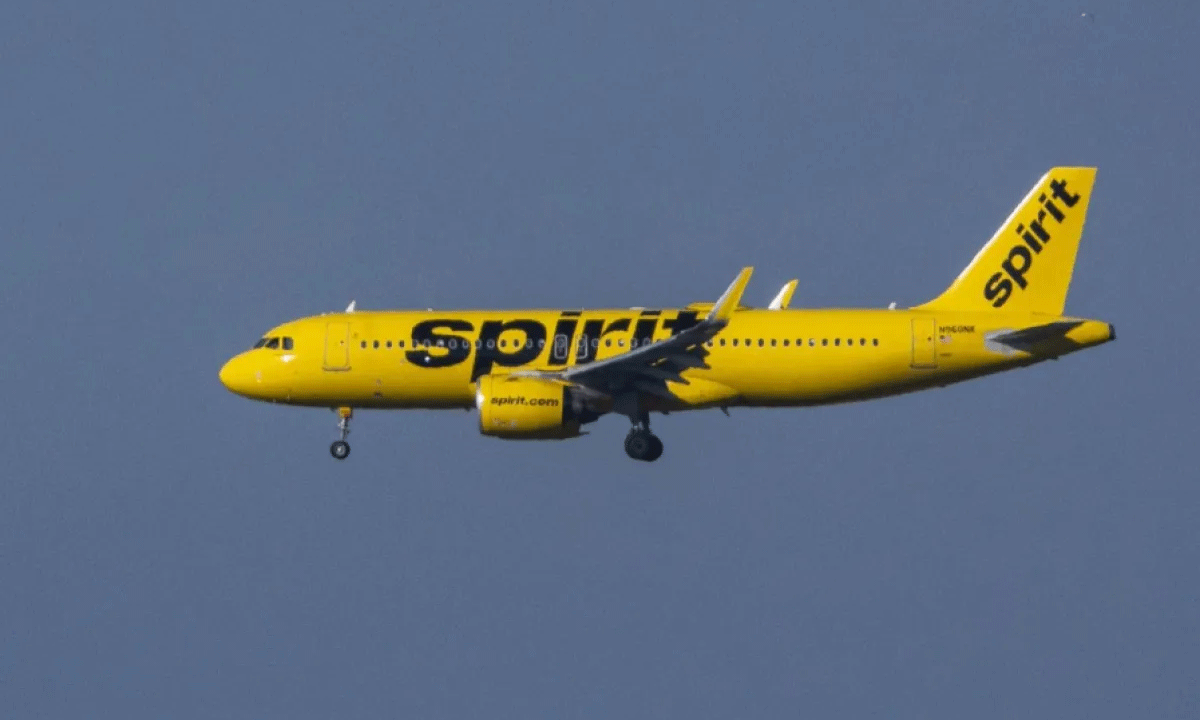
The possible liquidation of Spirit Airlines is raising concerns beyond the company itself. For thousands of workers and industry observers, the situation highlights how fragile employment conditions can be within highly competitive airline markets.
A workforce exposed to business model volatility
Airlines operating under ultra low-cost structures often rely on tight margins and high operational efficiency. While this model can deliver affordable travel, it also creates vulnerability when financial performance weakens.
In the case of Spirit Airlines, ongoing financial struggles and restructuring efforts have put jobs at risk. Employees—from flight attendants to ground staff—are directly exposed to the company’s ability to sustain its operations.
Signals for employment stability in global aviation
The situation reflects a broader reality in the aviation sector: employment stability is closely tied to business resilience. When companies operate with limited financial buffers, workforce continuity becomes uncertain.
This dynamic is not unique to a single airline. Across global markets, cost-focused strategies can amplify risk for workers when external conditions or internal performance shift unexpectedly.
Emerging priorities for aviation professionals
- Operational flexibility Professionals increasingly need to adapt to changing roles, schedules, and organizational structures within airlines.
- Transferable skills Skills that apply across airlines or related sectors—such as customer operations or safety management—can improve career resilience.
- Awareness of industry dynamics Understanding how business models influence job stability becomes a critical part of long-term career planning.
A case that extends beyond one airline
While Spirit Airlines represents a specific situation, its challenges highlight structural pressures affecting the aviation workforce. The balance between affordability for passengers and sustainability for companies continues to shape employment conditions.
For professionals and institutions alike, the case reinforces the need to understand how business realities influence workforce outcomes. In global aviation, job stability is increasingly linked to how resilient business models are under pressure.









No comments yet. Be the first!